Films
1 film
About Mary Beth Hughes
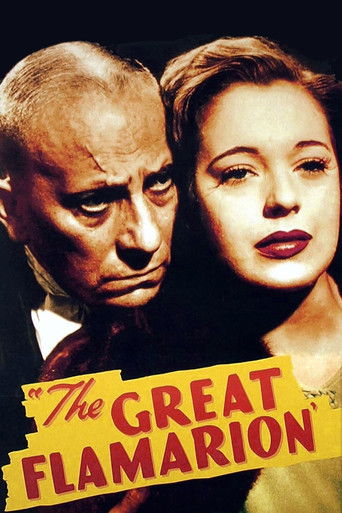
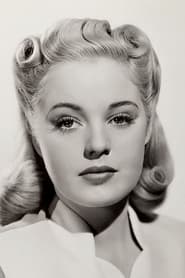
American film actress: career flourished in the 1940s, when she became a familiar face in crime dramas, comedies, westerns, and noir-leaning pictures. Best remembered by classic-film fans for sharp, glamorous, and often mischievous supporting performances, she was particularly effective as a spirited blonde presence in B pictures and studio programmers, where her timing and screen confidence stood out. Mary appears in notable films for major studios and independents alike, including The Great Flamarion (1945), which is one of the titles most associated with her name today. Hughes worked steadily through the wartime and immediate postwar years, and like many capable character players of the era, she built a career on versatility rather than starring vehicles. She also made appearances on stage and in early television later in her career, reflecting the common transition many mid-century screen actors made as the studio system changed. Though not a top-billed superstar, she remains of interest to film historians because she represents the polished, hard-working supporting actress whose performances helped define the tone of classic Hollywood genre cinema. Her screen image combined glamour with wit and a touch of toughness, making her especially effective in crime melodramas and fast-moving entertainment.
The Craft
On Screen
Mary Beth Hughes was typically cast for a polished, confident, and slightly teasing screen presence. Her performances suggest an actress who relied on strong timing, expressive delivery, and a lively physical presence rather than overt theatrics. She was effective in roles that required glamour with edge, often bringing a worldly, knowing quality to supporting characters. In film-noir and melodramatic settings, she could project both allure and irritation, making her memorable in limited screen time.
Milestones
- Appeared in The Great Flamarion (1945), one of her best-known titles among classic-film enthusiasts
- Built a steady screen career in 1940s Hollywood as a reliable supporting actress in crime dramas, comedies, and westerns
- Worked in productions associated with both major studios and smaller companies, a common path for versatile contract and freelance players of the period
- Developed a recognizable screen persona that blended glamour, sass, and toughness
- Extended her career into later media appearances as the studio era gave way to television
Best Known For
Iconic Roles
Must-See Films
Working Relationships
Worked Often With
Studios
Why They Matter
Impact on Culture
Mary Beth Hughes contributed to the texture of classic Hollywood at a level that was crucial but often under-acknowledged: the skilled supporting actress whose presence made genre films work. In 1940s cinema, actresses like Hughes helped create the atmosphere of noir, crime melodrama, and wartime entertainment through their ease with dialogue, glamour, and attitude. Her roles reflected the evolving image of the American screen woman in the 1940s: poised, independent, a little dangerous, and not merely decorative. Even when she was not the lead, she helped define the emotional and tonal register of the films in which she appeared. For modern viewers and historians, she represents the value of character actors in sustaining the studio system’s enormous output.
Lasting Legacy
Her legacy lies in the durability of her screen image and in the broader appreciation of supporting performers who gave classic Hollywood its depth and polish. Mary Beth Hughes is remembered by vintage-cinema audiences as part of the dependable ensemble of 1940s actresses who could enliven a scene instantly. Because she worked in genres that remain popular with repertory audiences and streaming-era classic-film viewers, her performances continue to be rediscovered by new generations. While she was not a marquee star, her career is historically significant as an example of how many talented actresses built meaningful, if sometimes under-documented, bodies of work within the studio system. Her continued interest among noir and classic-film fans ensures that she remains part of the ongoing reevaluation of Hollywood’s supporting players.
Who They Inspired
Mary Beth Hughes influenced primarily through example rather than celebrity: she demonstrated how a strong supporting actress could establish character, mood, and glamour with limited screen time. Her work reflects the performance style that later actresses and film students study in classic Hollywood genre cinema, especially the balance of composure and insinuation. She helped popularize a screen type that was sharp, contemporary, and emotionally legible to wartime and postwar audiences. Though direct lines of mentorship are not documented, her surviving performances remain instructive for actors interested in economical, scene-stealing characterization.
Off Screen
Publicly available biographical information on Mary Beth Hughes is limited in widely consulted classic-cinema reference sources, and much of her life outside her screen work is not extensively documented. She is known primarily through her film and television appearances rather than for a heavily publicized private life. No reliably verified, widely cited details about marriages, children, or family background are available in the standard film-history record used here. As with many supporting players of the studio era, her professional identity is more fully preserved than her personal biography.
Did You Know?
- She is especially associated with The Great Flamarion (1945), a title often cited by noir and melodrama fans.
- Her career is an example of a hardworking 1940s supporting actress whose output is remembered more through films than through publicity.
- She worked during the period when Hollywood’s B-movie and programmer production was especially active.
- Her screen persona often combined glamour with a tough or sly edge, a useful combination in crime films and melodramas.
- She is one of many classic-era actresses whose contributions are better preserved in film prints and cast lists than in extensive biographical publicity.
- Her name is sometimes encountered by viewers exploring lesser-known noir and crime pictures of the 1940s.
- Available reference sources do not consistently preserve detailed personal data such as birth and death information.
Frequently Asked Questions
Who was Mary Beth Hughes?
American film actress best known for her work in 1940s Hollywood supporting roles. She appeared in crime dramas, comedies, westerns, and other studio-era features, with The Great Flamarion (1945) among her better-known films.
What films is Mary Beth Hughes best known for?
Titles linked here include The Great Flamarion (1945).
When was Mary Beth Hughes born and when did she die?
Reliable birth and death details are not consistently available in the standard reference information consulted here. She is known primarily through her film career rather than through a fully documented public biography.
What awards did Mary Beth Hughes win?
No major awards or high-profile nominations are widely documented for Mary Beth Hughes in the classic-cinema record. Her recognition comes mainly from film historians and classic-movie audiences who value her performances.
What was Mary Beth Hughes's acting style?
She was known for a polished, confident, and lively screen presence. Her performances often balanced glamour with sharpness or attitude, making her effective in roles that needed wit and a slightly worldly edge.
What is Mary Beth Hughes's legacy in film history?
Her legacy is that of a capable and stylish supporting actress who helped shape the atmosphere of 1940s studio cinema. She remains a useful example of how important character performers were to the success of classic Hollywood films.