Jack Chefe
Actor
Born: February 10, 1895 in Moscow, Russian Empire Died: May 31, 1960 Active: 1928-1950
Films
3 films

About Jack Chefe
Prolific character actor: the transition from silent films to sound cinema during Hollywood's Golden Age. Born in Russia in 1895, he immigrated to the United States and began his film career in the late 1920s, quickly establishing himself as a reliable supporting player. Chefe appeared in over 200 films between 1928 and 1950, though he was frequently without on-screen billing in many of his roles. His distinctive European appearance and accent made him a natural choice for casting as waiters, bartenders, doormen, diplomats, and various other foreign characters. He worked with virtually every major studio in Hollywood and appeared alongside the biggest stars of the era, including Humphrey Bogart, Ingrid Bergman, and Cary Grant. Despite never achieving leading man status, Chefe became recognizable faces in American cinema through his countless character performances. His career declined in the early 1950s as Hollywood changed, but he as part of the fabric of classic American films.
The Craft
On Screen
Chefe specialized in creating authentic European characters through his natural accent, dignified bearing, and subtle mannerisms. He had a remarkable ability to convey authority or servitude with minimal dialogue, often using facial expressions and posture to establish his character's social standing. His performances were consistently naturalistic and believable, never descending into caricature despite frequently playing ethnic stereotypes. Chefe had a particular talent for playing sophisticated but minor characters who added authentic international flavor to films.
Milestones
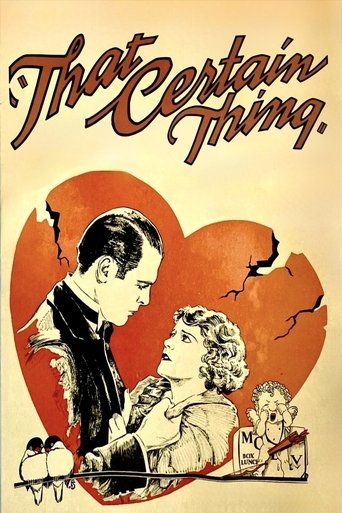
- Film debut in 'That Certain Thing' (1928) during the transition to sound films
- Appeared in classic films including 'Casablanca' (1942) and 'The Maltese Falcon' (1941)
- Worked consistently through the Great Depression and World War II years
- Accumulated over 200 film appearances in just over two decades
- Became one of Hollywood's most recognizable uncredited character actors
Best Known For
Iconic Roles
Must-See Films
Working Relationships
Worked Often With
Studios
Why They Matter
Impact on Culture
Jack Chefe's cultural impact lies in his contribution to the authenticity and richness of Hollywood's Golden Age films. As. His face became familiar to millions of moviegoers, even if they never knew his name, as he populated the backgrounds of countless classic films with believable European characters. Chefe was part of the essential supporting infrastructure that made Hollywood's star system work, providing the credible world in which leading actors could shine.
Lasting Legacy
Jack Chefe's legacy is that of the consummate professional character actor who elevated every film he appeared in through his reliable, authentic performances. While never a household name, film historians and classic movie enthusiasts recognize him as an essential part of Hollywood's Golden Age tapestry. His extensive filmography serves as a valuable record of the types of supporting roles that defined the era, and his work continues to be appreciated by those who study the craft of film acting. Chefe represents the thousands of talented actors who formed the backbone of Hollywood's studio system.
Who They Inspired
While Jack Chefe did not directly mentor other actors in a formal sense, his career serves as an inspiration to character actors who understand the importance of craft over celebrity. His ability to create memorable characters in even the smallest roles demonstrated the value of supporting players in creating a cohesive film world. Contemporary character actors who specialize in playing distinctive, recurring types can trace their professional lineage back to performers like Chefe, who proved that a successful career could be built entirely on supporting roles.
Off Screen
Jack Chefe was born in Moscow, Russia, and immigrated to the United States in the early 1920s, seeking opportunities in the burgeoning film industry. He settled in Los Angeles where he began pursuing acting work as Hollywood transitioned from silent films to talkies. Details about his personal life are scarce, as he was a private individual who never achieved the celebrity status that would have drawn media attention to his personal affairs. He remained a working actor until his health began to fail in the late 1950s. Chefe passed away in Los Angeles in 1960 at the age of 65, leaving behind a legacy as one of Hollywood's most prolific but unheralded character actors.
Did You Know?
- Appeared in over 200 films but was Jack Chefe appeared in fewer than 50 of them
- Was often cast as French characters despite being Russian-born
- Had a distinctive scar on his right cheek that became one of his trademarks
- Worked with Humphrey Bogart in at least seven different films
- Spoke multiple languages fluently, which made him valuable for international roles
- Was one of the few actors to successfully transition from silent films to talkies without a major career interruption
- Often played the same type of character (waiter, bartender, or official) multiple times in the same year for different studios
- His final film appearance was in 'The Killer That Stalked New York' (1950)
- Despite his Russian birth, he was most often cast as French or Italian characters
- Never received a screen credit for his appearance in 'Casablanca' despite being clearly visible in several scenes
Frequently Asked Questions
Who was Jack Chefe?
Screen credits include over 200 films during Hollywood's Golden Age, primarily in supporting roles as waiters, bartenders, and various European characters. Despite his extensive filmography, he was frequently uncredited and never achieved star status, but became.
What films is Jack Chefe best known for?
Titles linked here include Casablanca (1942), The Maltese Falcon (1941).
When was Jack Chefe born and when did he die?
Born February 10, 1895; died May 31, 1960.
What awards did Jack Chefe win?
Jack Chefe did not receive any major awards or nominations during his career, which was common for character actors of his era who primarily worked in uncredited or minor supporting roles. His recognition came from his consistent employment and the respect of directors who repeatedly cast him.
What was Jack Chefe's acting style?
Chefe specialized in creating authentic European characters through his natural accent, dignified bearing, and subtle mannerisms. He excelled at conveying character with minimal dialogue, using facial expressions and posture to establish his role's social standing. His performances were consistently naturalistic, never descending into caricature despite frequently playing ethnic types.
Why was Jack Chefe so often uncredited?
Jack Chefe was frequently uncredited because he typically played minor supporting roles with limited screen time. During Hollywood's studio era, only principal actors and significant supporting players received screen credit, while character actors in small parts were often omitted from the credits regardless of their contribution to the film.
How many films did Jack Chefe appear in?
Jack Chefe appeared in over 200 films between 1928 and 1950, making him. His filmography includes appearances in many of the most celebrated films of Hollywood's Golden Age, though he was Jack Chefe appeared in fewer than 50 of these productions.