That Certain Thing
"Molly Kelly intends to marry a millionaire"
Keys: Space play/pause · ←/→ 10s · F fullscreen · M mute · </> speed
About this film
Molly Kelly intends to marry a millionaire. When she meets Andy Charles Jr., heir to a restaurant fortune, she sees her chance and marries him. Upon discovering the marriage, Andy's father becomes irate and disinherits his son.
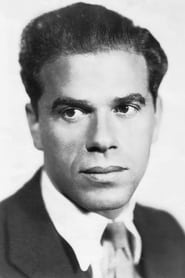
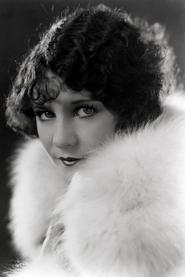
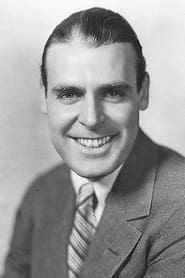
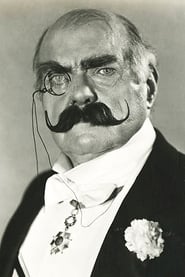
Cast & crew
More films like this
More Romance films
View all →




More from Frank Capra
View all →


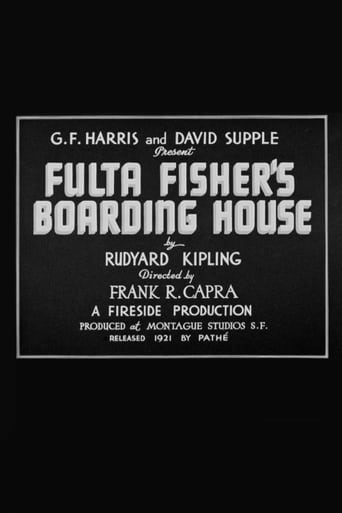

More about this film
About the production
Release dateFebruary 25, 1928
Box officeUnknown - modest performance typical of Columbia Pictures releases in 1928
ProductionColumbia Pictures Corporation
Filmed inColumbia Studios, Hollywood, California
This was one of Frank Capra's early directorial efforts for Columbia Pictures, made when he was still establishing his reputation. The film was shot during the transition period from silent films to talkies, though it was released as a silent film. Viola Dana was a major star in the 1910s and early 1920s, making this one of her later significant film roles. The production utilized Columbia's modest studio facilities, with location shooting limited to the Los Angeles area.
Themes
Love vs. MoneyClass and Social StatusRedemption Through HardshipThe Value of Character Over WealthMarriage and Partnership
Themes & topics
gold diggerdisinheritancemarriage of convenienceclass differencespoverty to wealthworking classromantic comedysilent filmditch diggingcharacter transformation
Historical background
That Certain Thing (1928) emerged during the silent-film era. Molly Kelly intends to marry a millionaire. Archival records and catalog entries help place the work within film-history surveys of the period.
Why this film matters
Preserved under Wikidata ID Q1157116, That Certain Thing is valued as a comedy within catalog and archive collections. Wikipedia's "That Certain Thing (film)" entry connect it to broader histories of cinema exhibition and restoration.
Making of
Frank Capra was still developing his directorial style when he made 'That Certain Thing,' working under the demanding studio head Harry Cohn at Columbia Pictures. The production was typical of the studio's approach in the late 1920s - efficient and budget-conscious. Viola Dana, though past her peak popularity, brought star power to the production. Capra reportedly worked closely with his actors to develop naturalistic performances, a technique that would become his trademark. The film was shot quickly, likely in just a few weeks, as was common for Columbia productions of this era. The transition to sound was already underway in Hollywood, which may have influenced the film's modest scale and release timing.
What critics said
Trade and archival sources offer limited day-one review coverage for That Certain Thing. Modern reception rests on its availability in collections, repertory screenings, and reference works that document 1928 cinema.
Did you know?
- This was one of Frank Capra's earliest films for Columbia Pictures, helping establish his long and fruitful relationship with studio head Harry Cohn
- Viola Dana, the film's star, was one of the highest-paid actresses of the 1910s but her career was declining by the late 1920s
- The film was released just as the transition to sound films was beginning, making it part of the last wave of significant silent comedies
- Ralph Graves appeared in multiple Capra films during this period, becoming one of the director's early regular collaborators
- The story was adapted from a magazine story, though the original source material is now obscure
- Columbia Pictures was still a minor studio in 1928, and films like this helped establish its reputation before becoming a major studio
- The film's theme of finding value in hardship would become a recurring motif in Capra's later, more famous works
- This was one of the last films Viola Dana made before effectively retiring from major film roles
- The ditch digging scenes were reportedly filmed on the Columbia backlot with constructed sets rather than actual locations
- The film's survival status is uncertain, with some film historians considering it possibly lost
Awards & recognition
- None recorded
Visual style
The cinematography was handled by Ira H. Morgan, a veteran cameraman who worked extensively at Columbia Pictures. The film employed standard silent era techniques with static camera positions and occasional tracking shots. The visual style emphasized clarity and readability, important for conveying story without dialogue. The ditch digging sequences likely used wider shots to establish the harsh working conditions, while intimate scenes between the leads used closer shots to emphasize emotional connection. The lighting followed conventional patterns of the period, with high-key lighting for romantic scenes and more dramatic lighting for conflict moments.
Innovations
The film employed standard silent film technology of the late 1920s, using 35mm film with an aspect ratio of approximately 1.33:1. No significant technical innovations were introduced in this production, which was characteristic of Columbia Pictures' practical approach to filmmaking. The film may have utilized some location shooting mixed with studio sets, a common practice of the period. The editing followed continuity principles established by the late 1920s, with smooth transitions between scenes. As the transition to sound was underway, this film represents the culmination of silent film techniques just before they would become obsolete.
Music
As a silent film, 'That Certain Thing' would have been accompanied by live musical performance in theaters. The score would have been compiled from standard photoplay music libraries, with selections matched to the mood of each scene. Typical romantic comedies of the period featured popular songs of the day, classical pieces, and mood music specifically composed for film accompaniment. The music would have emphasized the romantic elements during love scenes and provided comedic underscoring for lighter moments. No original composed score was created specifically for this film, which was standard practice for Columbia Pictures productions of this budget level.
Famous quotes
'I didn't marry you for your money - I married you for your position!'
'A ditch digger? Me? But I'm an heir!'
'Love doesn't pay the bills, darling.'
'Maybe there's more to life than just having things.'
Memorable scenes
- The opening sequence where Molly strategically positions herself to meet the wealthy heir
- The confrontation scene where the father disinherits his son
- The montage showing Andy's struggles as a ditch digger
- The emotional climax where Molly realizes she truly loves Andy despite their poverty
- The final scene suggesting their future together based on genuine affection rather than wealth
What audiences thought
Audience reception in 1928 appears to have been modest, with the film performing adequately but not spectacularly at the box office. The film's themes of wealth and class resonated with audiences during the prosperous late 1920s, though it didn't generate the excitement of bigger studio productions. As one of Viola Dana's later films, it likely attracted her remaining fan base while introducing audiences to Ralph Graves, who would become a more familiar face in subsequent years. The film's straightforward romance and comedy elements would have appealed to mainstream audiences seeking light entertainment during the cinema's transition to sound.
Film connections
Influenced by
- Standard romantic comedy formulas of the 1920s
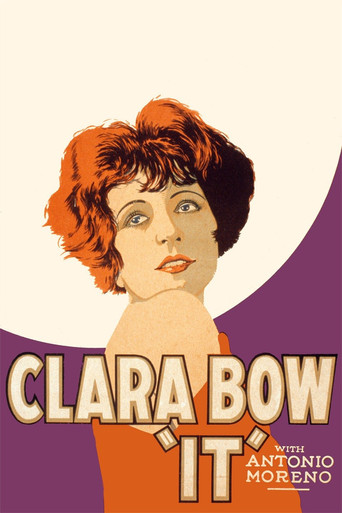
- Earlier 'gold digger' films such as 'It' (1927)
- Cecil B. DeMille's marital comedies
- The tradition of silent film social commentary
This film influenced
- Capra's later films dealing with similar themes such as 'Lady for a Day' (1933)
- Other Columbia Pictures romantic comedies of the early 1930s
- The 'rags to riches' genre films that became popular during the Great Depression
Film restoration
The preservation status of 'That Certain Thing' is uncertain and concerning. Many Columbia Pictures films from this period have been lost due to poor storage conditions and the studio's early focus on commercial rather than archival value. Some film historians believe this film may be lost, while others suggest that copies may exist in private collections or foreign archives. No restored version is known to be available, and the film is not part of major studio restoration programs. The Library of Congress does not list it among its preserved films, though this may be incomplete.
Where to watch
- Currently unavailable on commercial streaming platforms
- May exist in film archives or private collections
- No official DVD or Blu-ray release known
- Potentially available through specialized film archives or cinema societies
- Rare screening opportunities at classic film festivals or museum retrospectives