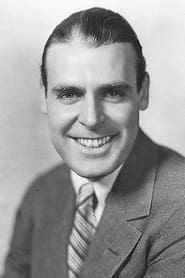
Ralph Graves
Actor
Born: January 23, 1898 in Cleveland, Ohio, United States Died: December 30, 1969 Active: 1919-1929 Birth Name: Ralph Theodore Graves
Films
7 films

About Ralph Graves
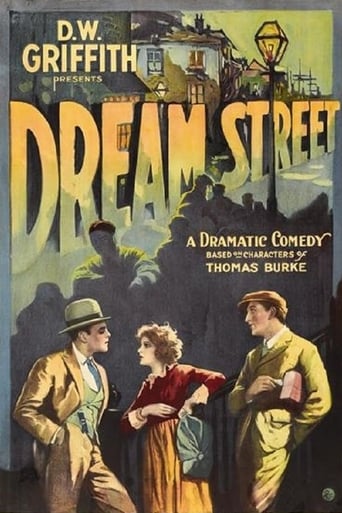
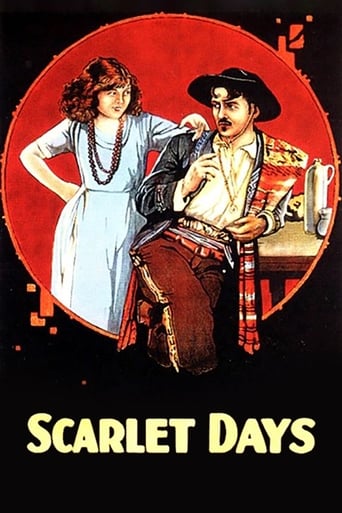
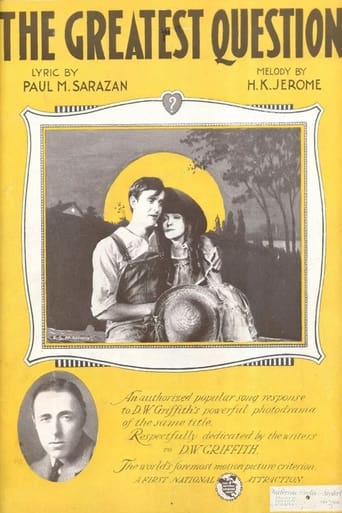
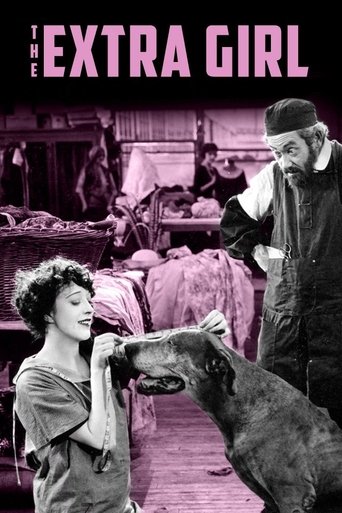
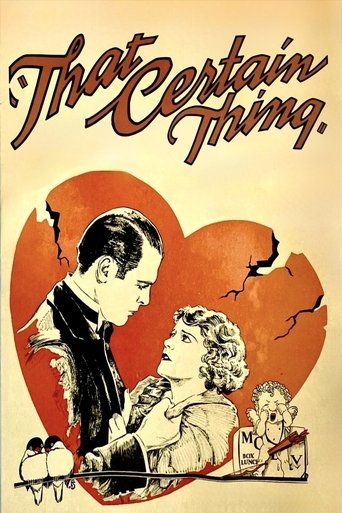
prominent American actor during the silent film era — known for his work with director D.W. Griffith. He began his career in Griffith's company at the D.W. Griffith Studio, appearing in several of the director's most significant late-silent productions including 'Scarlet Days' (1919) and 'The Greatest Question' (1919). Graves quickly became one of Griffith's favored leading men, starring in the ambitious 'Dream Street' (1921), which was one of Griffith's early experiments with sound technology. His career flourished throughout the 1920s, transitioning from dramatic roles to romantic comedies like 'The Extra Girl' (1923) opposite Mabel Normand. By the late 1920s, he appeared in successful films such as 'That Certain Thing' (1928), demonstrating his versatility across genres. However, like many silent film actors, Graves struggled to maintain his career with the advent of sound, and his film appearances diminished significantly after 1929. His final years in the industry were marked by smaller, often uncredited roles before he retired from acting entirely.
The Craft
On Screen
Graves was known for his naturalistic acting style that transitioned well from the dramatic intensity required in Griffith's epics to the lighter touch needed for romantic comedies. He possessed a classic leading man appearance with expressive eyes that could convey deep emotion without dialogue, making him particularly effective in silent dramas. His performances were marked by a sincere, earnest quality that appealed to audiences of the era, and he demonstrated considerable range from serious dramatic roles to charming romantic comedy leads.
Milestones
- Breakthrough role in D.W. Griffith's 'Scarlet Days' (1919)
- Leading role in 'Dream Street' (1921)
- Romantic lead in 'The Extra Girl' (1923) with Mabel Normand
- Successful transition to comedy in 'That Certain Thing' (1928)
- Regular performer in Griffith's stock company
Best Known For
Iconic Roles
Must-See Films
Working Relationships
Worked Often With
Studios
Why They Matter
Impact on Culture
Ralph Graves represents the archetype of the silent film leading man whose career was ultimately defined by the transition to sound. As a regular performer in D.W. Griffith's company, he participated in some of the final major works of cinema's most influential early director. His performances in films like 'Dream Street' helped document Griffith's experimentation with sound technology, making him part of cinema's technological evolution. Graves' career trajectory—from dramatic leading roles to romantic comedies—reflects the changing tastes of movie audiences in the 1920s and the industry's shift toward more sophisticated entertainment. His subsequent disappearance from the screen following the sound revolution exemplifies the fate of many talented performers who couldn't adapt to the new medium.
Lasting Legacy
Though largely forgotten today, Ralph Graves' legacy survives through his work in significant silent film productions, particularly those directed by D.W. Griffith. His performances provide valuable insight into the acting styles and techniques of the silent era, and his films serve as important historical documents of early American cinema. Graves represents the generation of actors who bridged the gap between cinema's primitive beginnings and its mature classical period. His work with Griffith places him within the lineage of actors who helped establish the foundation of American film acting, even if his name doesn't carry the same recognition as some of his contemporaries.
Who They Inspired
While Graves didn't have a direct influence on subsequent generations of actors due to his limited career span and transition away from the industry, his work contributed to the development of screen acting techniques during the silent era. His performances in Griffith's films helped demonstrate how actors could convey complex emotions without dialogue, influencing the naturalistic style that would become standard in cinema. His ability to transition between dramatic and comedic roles showed the versatility that would become increasingly valued in later Hollywood actors.
Off Screen
Ralph Graves was born Ralph Theodore Graves in Cleveland, Ohio, and moved to California to pursue his acting career during the silent film boom. He married actress and screenwriter June Mathis, a leading screenwriter and studio executive. Their marriage brought Graves additional industry connections, though it eventually ended in divorce. After his acting career declined with the transition to sound, Graves largely withdrew from public life and worked outside the entertainment industry. He spent his later years in relative obscurity in California, having witnessed the dramatic transformation of Hollywood from silent films to the talkies era.
Education
Limited information available about his formal education; likely received local education in Cleveland before moving to pursue acting
Family
- June Mathis (1920-1925)
Did You Know?
- Was discovered by D.W. Griffith and became part of his regular stock company
- Married June Mathis, one of Hollywood's most powerful female executives in the 1920s
- Appeared in 'Dream Street' (1921), which featured an early sound-on-disc experiment by Griffith
- Worked alongside Mabel Normand in 'The Extra Girl' (1923), one of Normand's final major film roles
- His career effectively ended with the transition to sound films in the late 1920s
- Unlike many silent actors, he made no significant attempt to continue his career in talkies
- Was often cast as the romantic lead or heroic figure in Griffith's productions
- His final film appearances were in small, uncredited roles in the early 1930s
Frequently Asked Questions
Who was Ralph Graves?
American with credits in this catalog.W. Griffith productions and romantic comedies of the 1920s. He was a prominent leading man whose active years covered from 1919 to 1929, after which he largely disappeared from the film industry.
What films is Ralph Graves best known for?
Titles linked here include Scarlet Days (1919), The Greatest Question (1919).
When was Ralph Graves born and when did he die?
Born January 23, 1898; died December 30, 1969.
What awards did Ralph Graves win?
Ralph Graves did not receive any major awards or nominations during his career. Like many actors of his era, recognition came through audience popularity and regular employment rather than formal awards, which were not as established in the 1920s as they would later become.
What was Ralph Graves' acting style?
Graves employed a naturalistic acting style that was effective for both dramatic and comedic roles. He had expressive features that worked well for silent film, allowing him to convey emotion effectively without dialogue. His style was sincere and earnest, making him particularly suitable for romantic leading roles.
Why did Ralph Graves' career end?
Graves' career ended primarily due to the transition from silent films to talkies in the late 1920s. Like many silent actors, he struggled to adapt to the new medium and his film appearances diminished significantly after 1929. Unlike some contemporaries, he made no significant effort to continue his acting career in sound films.
Was Ralph Graves married to anyone famous?
Yes, Ralph Graves was married to June Mathis (1920–1925). Mathis was a leading screenwriter and executive. The marriage brought Graves additional industry connections and visibility.