Scarlet Days
"D.W. Griffith's California saloon mother hides her past."
Keys: Space play/pause · ←/→ 10s · F fullscreen · M mute · </> speed
About this film
Rosie Nell, a woman of disreputable dance halls in early lawless California, is wrongly charged with the murder of one of her fellow entertainers. Because her daughter, who knows nothing of her mother's station in life, is to return the next day from her school in the east, Rosie.
Cast & crew
More films like this

More Adventure films
View all →



More from D.W. Griffith
View all →
More about this film
About the production
Release dateNovember 30, 1919
BudgetApproximately $75,000-$100,000 (typical for Griffith features of this era)
Box officeBox office records from 1919 are incomplete, but the film was considered a moderate success for Griffith's production company
ProductionD.W. Griffith Productions, Artcraft Pictures Corporation (distributor)
Filmed inFine Arts Studio, Hollywood, California, Outdoor locations in California for western sequences
The film was part of Griffith's contract with Paramount/Artcraft following his departure from Mutual Film Corporation. Griffith employed his characteristic technique of combining location shooting with studio work, particularly for the outdoor western sequences. The production faced the typical challenges of 1919 filmmaking including primitive equipment and difficult shooting conditions in the California wilderness.
Themes
Maternal sacrifice and loveRedemption and second chancesThe conflict between reputation and realityThe exploitation of women in frontier societyThe search for innocence in a corrupt world
Themes & topics
dance hallwrongful accusationmother-daughter relationshipwesternbanditredemptionfrontier justicemelodramasilent filmearly Californiaprotective parentmanipulationinnocence threatened
Historical background
Scarlet Days (1919) reached screens through D.W. Griffith Productions. Exhibitors of the time built silent-era bills that mixed shorts, features, and live acts, so a clear premise helped Scarlet Days travel between cities and exchange markets.
Why this film matters
Archivists and revival programmers still cite Scarlet Days (1919) when tracing studio habits, casting pools, and the visual rhetoric audiences once took for granted. Even modest surviving prints help map how Scarlet Days fit beside competing releases of its day.
Making of
D.W. Griffith was at the peak of his directorial powers when he made 'Scarlet Days,' following the controversy of 'The Birth of a Nation' and the ambitious 'Intolerance.' The film was part of his effort to produce more commercially viable melodramas while still exploring social themes. Griffith was known for his demanding directing style and insistence on multiple takes to achieve the perfect emotional effect. The production utilized Griffith's stock company of actors, many of whom had worked with him for years. The dance hall sequences required elaborate choreography and staging, while the outdoor western scenes posed challenges with weather and lighting conditions. Griffith's attention to detail extended to period costumes and props, which were researched to ensure historical accuracy for the early California setting.
What critics said
Trade coverage around 1919 discussed Scarlet Days for pacing, clarity, and program fit rather than blockbuster grosses. Later writers value it as evidence of period style and as a reference point beside other films from the same era.
Did you know?
- This was one of several films Griffith made exploring themes of redemption and maternal sacrifice
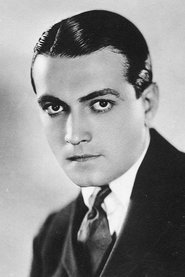
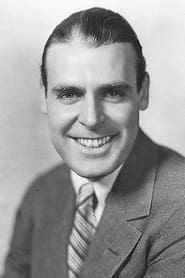
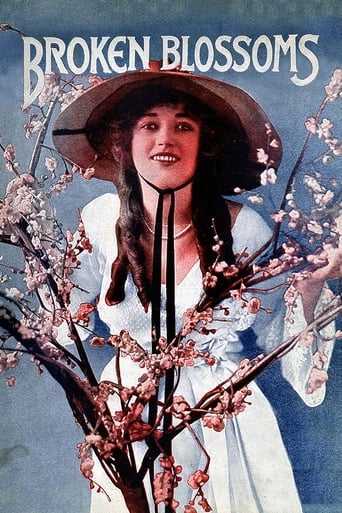
- Richard Barthelmess, who played the heroic bandit Alvarez, would later become a major star in films like 'Broken Blossoms' (1919) and 'The Toll of the Sea' (1922)
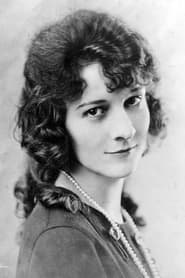
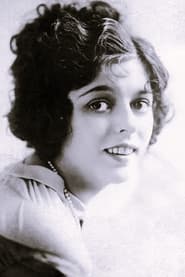
- Carol Dempster, who played the daughter, was Griffith's protégée and rumored romantic interest during this period
- The film's depiction of early California dance halls was considered relatively authentic for its time
- Like many Griffith films, it featured a mix of professional actors and local residents as extras
- The original release included color tinting for emotional effect, a common practice in silent films
- Griffith was known for his meticulous attention to historical detail in his western films
- The film was released shortly after the devastating 1918 influenza pandemic, which had affected film production nationwide
- This was one of the last films to feature Robert Harron before his tragic death in 1920
- The dance hall sequences were filmed on elaborate sets that cost a significant portion of the film's budget
Visual style
The cinematography in 'Scarlet Days' was handled by Griffith's regular cameraman, G.W. Bitzer, who employed the innovative techniques that had become Griffith's trademark. The film features the dramatic use of natural light in outdoor sequences, particularly in the western scenes where the California landscape serves as both setting and character. Bitzer utilized moving camera shots and varying camera angles to create emotional emphasis, techniques that were still relatively innovative in 1919. The dance hall sequences employed atmospheric lighting to create contrast between the glittering surface and the darker undercurrents of the setting. The film also used the common practice of color tinting, with blue tones for night scenes and amber for daylight, to enhance the emotional impact of key moments.
Innovations
While 'Scarlet Days' did not introduce groundbreaking technical innovations like some of Griffith's earlier works, it demonstrated the refinement of techniques he had helped pioneer. The film's use of location shooting combined with studio work showed the increasing sophistication of film production methods. The seamless editing between interior and exterior scenes represented the growing technical capabilities of 1919 filmmaking. The dance hall sequences required complex blocking and camera movement to capture the chaotic atmosphere while maintaining narrative clarity. The film also employed sophisticated lighting techniques for its time, particularly in creating mood and atmosphere in the more dramatic scenes. Griffith's use of close-ups for emotional emphasis, though no longer revolutionary by 1919, was executed with particular skill in this production.
Music
As a silent film, 'Scarlet Days' was originally accompanied by live musical performance in theaters. The score would have been compiled from various classical pieces and popular songs of the era, with theater musicians often improvising to match the on-screen action. Griffith's films typically came with detailed musical cue sheets suggesting appropriate music for different scenes. For the emotional mother-daughter scenes, romantic classical pieces would have been used, while the western action sequences would have featured more dramatic, rhythmic music. The serenade scenes would have been particularly enhanced by live musical accompaniment. No original composed score exists for the film, as was common for productions of this era.
Famous quotes
As a silent film, dialogue was conveyed through intertitles. Key intertitles included: 'Three days of grace - to be spent with her innocent daughter, who knew nothing of her mother's shame.'
Bandit Alvarez's serenade (shown through intertitles): 'Your beauty shines brighter than the stars, fair lady of the West.'
Rosie's prayer: 'May my daughter never know the darkness from which I came.'
Bagley's threat: 'What the dance hall gives, the dance hall can take away.'
Memorable scenes
- The emotional reunion between Rosie and her daughter at the cabin, where the mother desperately tries to maintain her facade of respectability
- The serenade scene where bandit Alvarez sings outside the cabin, creating a romantic tension between the rugged outlaw and the innocent daughter
- The climatic confrontation in the dance hall where Rosie must defend both her reputation and her daughter's safety
- The opening sequence establishing the lawless atmosphere of early California dance halls
- The tender moments between mother and daughter as they share poetry and dreams, unaware of the approaching danger
What audiences thought
Audiences in 1919 responded positively to 'Scarlet Days,' finding its blend of western action and family melodrama appealing. The film's themes of maternal love and redemption resonated strongly with post-war audiences seeking emotional, uplifting stories. Theater reports indicated that the film performed well in both urban and rural markets, demonstrating Griffith's broad appeal. The dance hall sequences and western action provided entertainment value, while the family drama offered emotional depth. Audience members particularly responded to the protective relationship between mother and daughter, which was a popular theme in early cinema. The film's moderate commercial success helped maintain Griffith's status as one of America's premier directors during this period.
Film connections
Influenced by
- Griffith's own earlier works exploring redemption themes
- Contemporary dime novels about the American West
- Victorian melodrama traditions
- Earlier western films like 'The Great Train Robbery' (1903)
- Stage melodramas popular in the early 20th century
This film influenced
- Later western melodramas of the 1920s
- Films exploring dance hall culture such as 'The Merry Widow' (1925)
- Maternal sacrifice films like 'Stella Dallas' (1925)
- Early sound westerns that blended action with family drama
Film restoration
The preservation status of 'Scarlet Days' is uncertain but fragments are believed to exist in film archives. Like many films from the silent era, complete copies may have been lost due to the decomposition of nitrate film stock or the destruction of prints when sound films made silents obsolete. The George Eastman Museum and the Museum of Modern Art's film collection may hold materials related to the production. Some sequences or still photographs from the production have survived and are occasionally shown in retrospectives of Griffith's work. The film is not widely available for viewing, indicating that a complete, restored version may not currently exist.
Where to watch
- Due to its preservation status, 'Scarlet Days' is not currently available on commercial streaming platforms or home video
- Film archives and specialized cinema institutions may occasionally screen the film during silent film retrospectives
- The Library of Congress or the Museum of Modern Art may have viewing copies available for research purposes
- Some fragments or clips might be available through academic film databases or special collections
- Film preservation societies occasionally include lesser-known Griffith films in their programming