
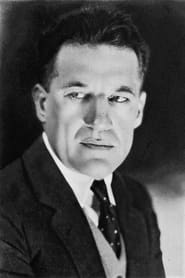
Walter Long
Actor
Born: March 5, 1879 in Nashua, New Hampshire, USA Died: July 4, 1952 Active: 1915-1952 Birth Name: Walter Huntley Long
Films
17 films

Martyrs of the Alamo
1915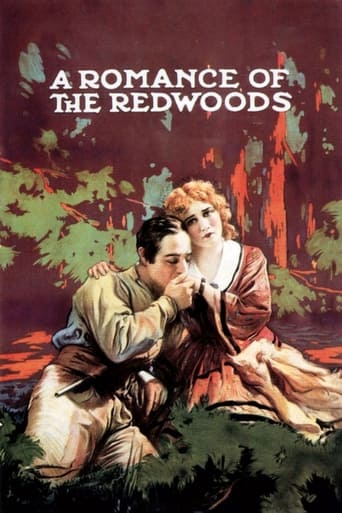
A Romance of the Redwoods
1917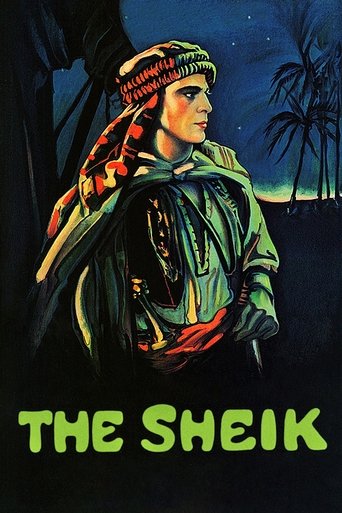
The Sheik
1921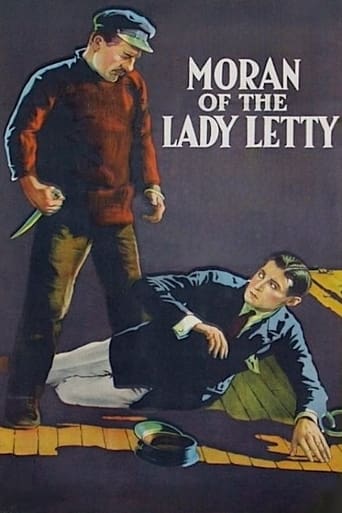
Moran of the Lady Letty
1922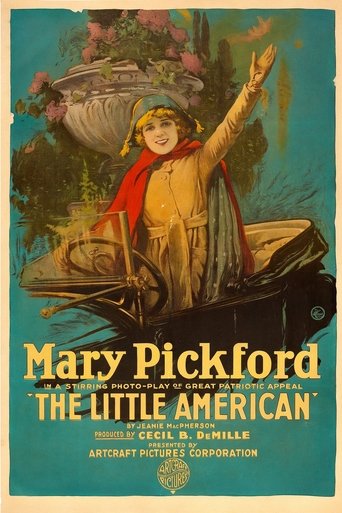
The Little American
1917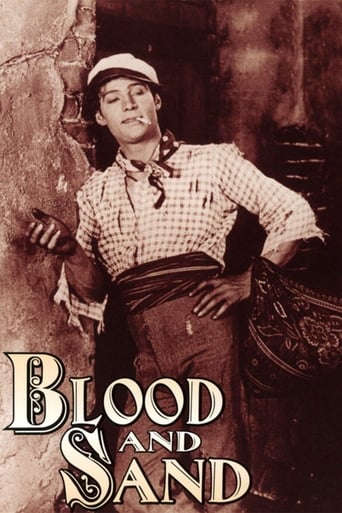
Blood and Sand
1922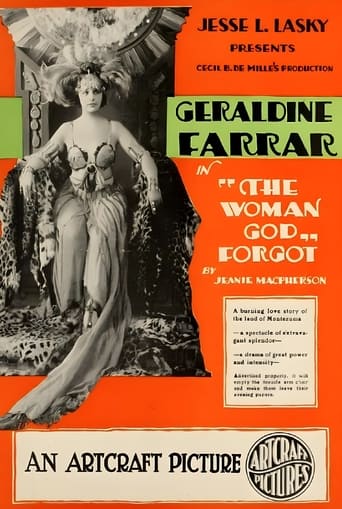
The Woman God Forgot
1917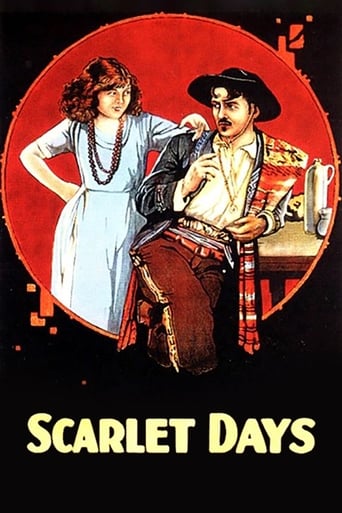
Scarlet Days
1919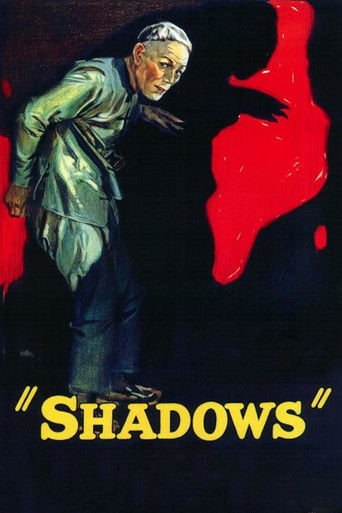
Shadows
1922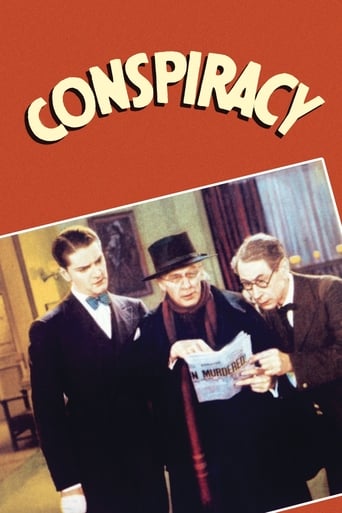
Conspiracy
1930
Excuse My Dust
1920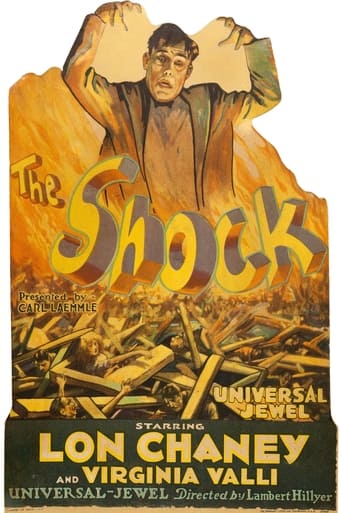
The Shock
1923
Beau Bandit
1930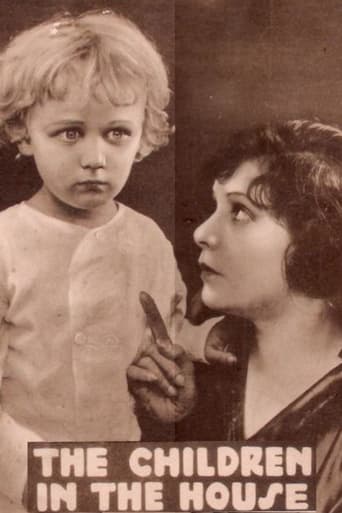
The Children in the House
1916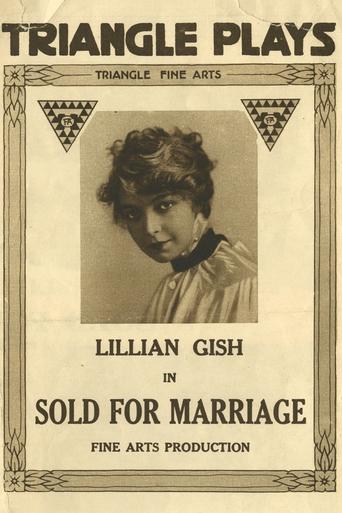
Sold for Marriage
1916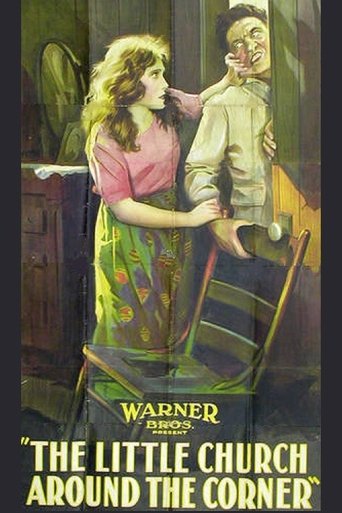
Little Church Around the Corner
1923About Walter Long
Walter Huntley Long — prolific American character actor whose the silent era and the transition to sound films. Born in New Hampshire in 1879, Long began his film career in 1915 and quickly became one of Hollywood's most recognizable supporting actors, appearing in over 200 films throughout his career. He established himself as a versatile performer who could seamlessly transition between menacing villains and comic relief characters, often by his trademark large mustache and imposing physique. Long worked extensively with director D.W. Griffith, appearing in several of his most significant films including the controversial 'The Birth of a Nation.' He became a favorite collaborator of comedy legends like Buster Keaton, Harold Lloyd, and the Marx Brothers, who valued his ability to play both threatening antagonists and buffoonish characters. Despite the challenges many silent film actors faced with the advent of sound, Long successfully adapted his career and continued working steadily through the 1930s and 1940s, though often in smaller roles. His remarkable longevity and consistent presence in American cinema made him familiar character actors of his generation, contributing to some of the most significant films of the first half of the 20th century.
The Craft
On Screen
Walter Long was known for his versatile character acting, specializing in both menacing villains and comic relief roles. His distinctive appearance, characterized by his large mustache and imposing physical presence, made him instantly recognizable on screen. In dramatic roles, he employed a threatening demeanor and intense facial expressions to create memorable antagonists, particularly in Westerns and adventure films. For comedy, he utilized physical comedy skills and timing, often playing buffoonish characters who served as foils to the film's heroes. His ability to adapt his performance style to both silent and sound films demonstrated his technical skill and understanding of cinematic acting techniques.
Milestones
- Appeared in D.W. Griffith's controversial epic 'The Birth of a Nation' (1915)
- Became a regular antagonist in Buster Keaton films including 'The General' (1926)
- Successfully transitioned from silent films to talkies
- Appeared in the Marx Brothers classic 'Duck Soup' (1933)
- Worked with Harold Lloyd in 'The Kid Brother' (1927)
- Accumulated over 200 film appearances across four decades
Best Known For
Iconic Roles
Must-See Films
Working Relationships
Worked Often With
Studios
Why They Matter
Impact on Culture
Walter Long's impact on American cinema lies in his contribution to the development of the character actor archetype during the formative years of Hollywood. As. His ability to play both menacing villains and comic relief demonstrated the versatility required of character actors and influenced how supporting roles would be cast and developed in subsequent decades. Long's work in some of the most significant and controversial films of the early 20th century, including 'The Birth of a Nation,' positioned him as a witness to and participant in crucial moments in film history. His successful transition from silent to sound films provided a model for other character actors facing the technological and artistic challenges of the talking picture revolution.
Lasting Legacy
Walter Long's legacy endures through his extensive body of work, comprising over 200 films that span the silent era, the transition to sound, and the golden age of Hollywood. As one of cinema's most prolific character actors, he represents the crucial supporting players who give films their texture and depth, even when not in starring roles. His collaborations with comedy legends like Buster Keaton and the Marx Brothers have ensured that his performances continue to be appreciated by classic film enthusiasts and scholars. Long's career trajectory demonstrates how a character actor could build a sustainable career through adaptability, professionalism, and distinctive screen presence. His work serves as a valuable resource for understanding the evolution of American cinema from its early days through the studio system, particularly the development of character types and acting styles that would influence generations of performers.
Who They Inspired
Walter Long influenced subsequent generations of character actors through his demonstration of how distinctive physical characteristics and versatile performance abilities could create a lasting career in supporting roles. His ability to seamlessly transition between villainous and comic characters established a template for character actors seeking to avoid typecasting while maintaining a recognizable screen persona. Long's successful adaptation to sound films provided a model for silent era actors facing the challenges of the new technology, showing how established character actors could find continued employment in the changing industry. His work with comedy legends influenced how antagonists and comic foils would be developed in film comedy, demonstrating the importance of a worthy opponent to the hero's success. The longevity and consistency of his career inspired other supporting players to pursue character acting as a viable and respectable path in Hollywood.
Off Screen
Walter Long was married twice during his lifetime. His first marriage was to Luray Roblee, which lasted from 1911 until her death in 1931. He later married Lillian Arthur in 1932, and they remained together until his death in 1952. Unlike many Hollywood figures of his era, Long maintained a relatively private personal life, avoiding the scandals and controversies that plagued some of his contemporaries. He was known among his colleagues as a reliable professional who took his craft seriously despite often playing supporting or comic roles. His dedication to his work and consistent presence in films for nearly four decades earned him respect within the industry, even if he never achieved star status.
Education
Limited information available about Walter Long's formal education, which was not uncommon for actors of his generation who often entered the film industry from vaudeville or theater backgrounds.
Family
- Luray Roblee (1911-1931)
- Lillian Arthur (1932-1952)
Did You Know?
- Appeared in over 200 films during his nearly 40-year career
- His distinctive large mustache became his trademark and made him instantly recognizable
- Often played villains in D.W. Griffith films, establishing the archetype of the menacing antagonist
- Successfully transitioned from silent films to talkies, a feat many of his contemporaries couldn't achieve
- Worked with three of the greatest comedy teams of the era: Buster Keaton, Harold Lloyd, and the Marx Brothers
- Died on Independence Day (July 4th) in 1952
- Despite playing villains, was reportedly a kind and gentle person in real life
- His role in 'The Birth of a Nation' remains controversial due to the film's racist content
- Often played characters much older than his actual age, even in his 30s and 40s
- Never received top billing but was consistently employed throughout his career due to his reliability and versatility
Frequently Asked Questions
Who was Walter Long?
Screen credits include over 200 films from 1915 to 1952. He was known for his distinctive appearance with a large mustache and his ability to play both menacing villains and comic relief characters in silent films and early talkies.
What films is Walter Long best known for?
Titles linked here include The Birth of a Nation (1915), The General (1926).
When was Walter Long born and when did he die?
Born March 5, 1879; died July 4, 1952.
What awards did Walter Long win?
Walter Long did not receive any major awards or nominations during his career, which was common for character actors of his era. His contributions were recognized through his consistent work and longevity in the film industry.
What was Walter Long's acting style?
Walter Long was known for his versatile character acting, specializing in both menacing villains and comic relief roles. His distinctive appearance with a large mustache and imposing presence made him memorable, and he could adapt his performance style to both dramatic and comedic roles in silent and sound films.
How did Walter Long transition from silent films to talkies?
Walter Long successfully transitioned from silent films to talkies by leveraging his established reputation as a reliable character actor and adapting his performance style to sound. Unlike many silent film stars who struggled with the transition, Long's distinctive appearance and versatile acting skills allowed him to continue finding work, though often in smaller roles.
What was Walter Long's relationship with famous comedians?
Walter Long worked extensively with comedy legends including Buster Keaton, Harold Lloyd, and the Marx Brothers. He often played antagonists or comic foils to their characters, providing the perfect balance of menace and buffoonery that made their comedic performances more effective. His collaborations with these comedians represent some of his most memorable and enduring work.