
Blood and Sand
"Arena glory, aristocratic temptation"
Keys: Space play/pause · ←/→ 10s · F fullscreen · M mute · </> speed
About this film
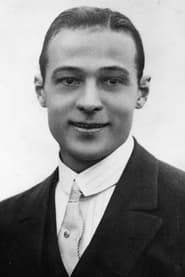
Juan Gallardo rises from poverty in Seville to fame as a bullfighter, marrying Carmen while tempted by aristocrat Doña Sol. Fred Niblo's 1922 Metro adaptation of Vicente Blasco Ibáñez's novel made Rudolph Valentino a matinee idol.
Cast & crew
More films like this
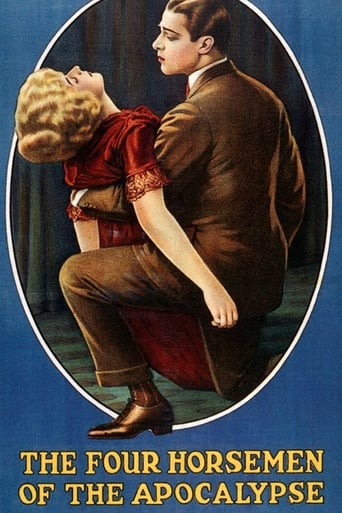
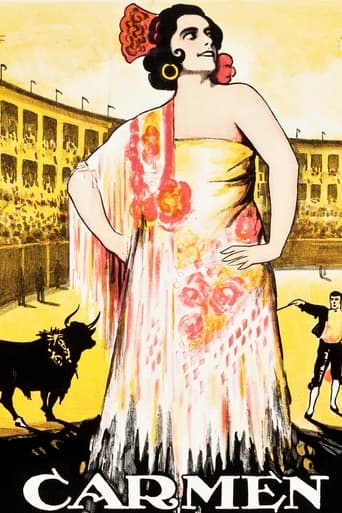
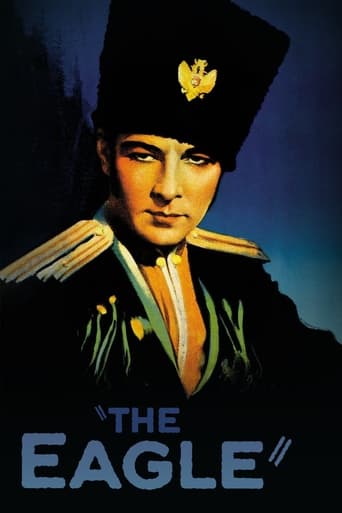


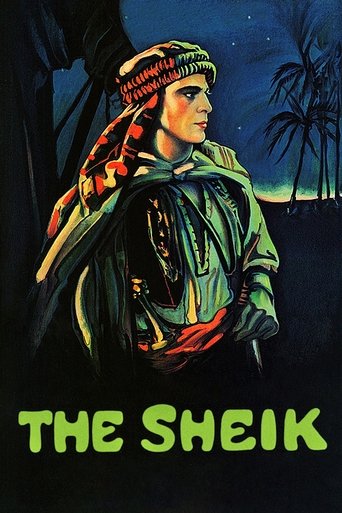
More Drama films
View all →







More from Fred Niblo
View all →
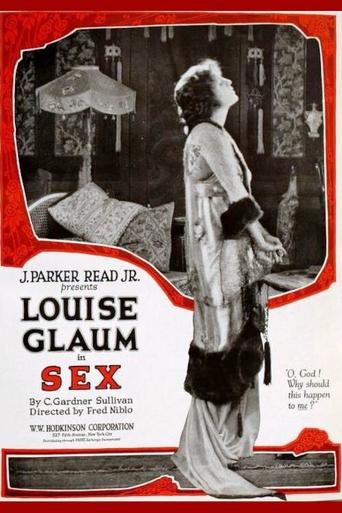
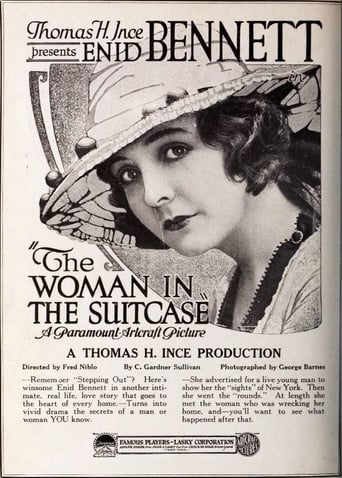
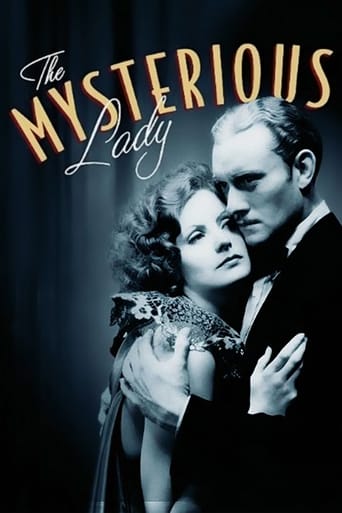
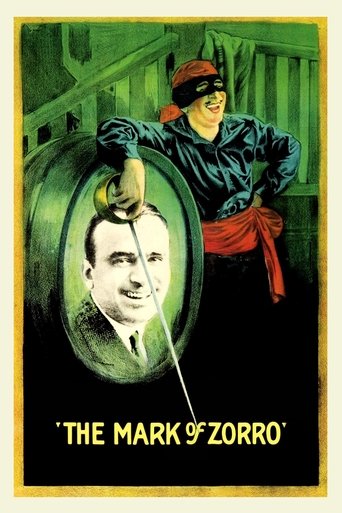
More about this film
About the production
Release dateAugust 21, 1922
Budget$125,000
Box office$1,000,000 (domestic), $2,000,000 (worldwide)
ProductionParamount Pictures Corporation, Famous Players-Lasky Corporation
Filmed inParamount Studios, Hollywood, Los Angeles, California, Bullring at the Los Angeles Memorial Coliseum
The film featured notable two-strip Technicolor sequences for the bullfighting scenes, which were hand-colored frame by frame. Authentic Spanish costumes and props were imported at great expense. Valentino insisted on learning actual bullfighting techniques from professional matadors to ensure authenticity in his performance. The production faced challenges with animal welfare concerns during the bullfighting sequences, requiring careful choreography and the use of multiple cameras to capture the action safely.
Themes
Fame and its corrupting influenceThe conflict between passion and responsibilityCultural identity and performanceThe parallels between art and violenceBetrayal and redemption
Themes & topics
bullfighterlove trianglefamebetrayalSpanish culturemoral conflictrise and falltemptationtragedycorruption
Historical background
Blood and Sand followed The Four Horsemen of the Apocalypse and cemented Valentino's Latin-lover image. Ibáñez's bullfighting fiction was a natural for silent spectacle.
Why this film matters
'Blood and Sand' profoundly influenced both cinema and popular culture, establishing enduring archetypes that would resonate for decades. The film cemented Rudolph Valentino's status as the ultimate 'Latin Lover,' creating a template for romantic leading men that would influence actors from Tyrone Power to Antonio Banderas. It popularized Spanish culture and bullfighting in American consciousness, sparking a trend for Spanish-themed entertainment throughout the 1920s. The film's exploration of the destructive nature of fame and the conflict between passion and responsibility became recurring themes in Hollywood melodramas. Its visual style, particularly the use of shadow and light in the bullfighting sequences, influenced the development of film noir aesthetics. The movie also challenged gender norms of its time by presenting a complex, emotionally vulnerable male protagonist who was both physically powerful and emotionally susceptible to temptation.
Making of
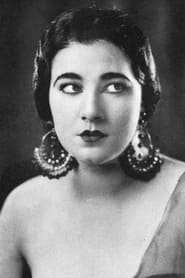
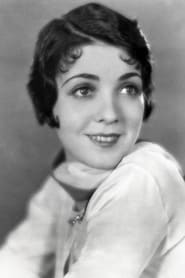
The production of 'Blood and Sand' was marked by intense preparation and attention to Spanish cultural authenticity. Valentino spent months studying Spanish culture, language, and bullfighting techniques under the guidance of professional matadors. The famous bullfighting sequences required elaborate choreography and took weeks to film, with multiple cameras positioned to capture the drama from various angles. Nita Naldi's costumes as Doña Sol were deliberately designed to be provocative and modern, contrasting sharply with the traditional Spanish dress worn by Lila Lee as Carmen. The on-set chemistry between Valentino and Naldi was so convincing that rumors of an off-screen affair circulated, though both denied it. The film's Technicolor sequences were particularly challenging to produce, requiring special lighting and careful color balancing that pushed the technical limits of early color cinematography.
What critics said
Audiences in 1922 flocked to Valentino's torso and melodrama; later critics note racial and gender stereotypes while acknowledging the film's star-making power.
Did you know?
- Rudolph Valentino was actually Italian, not Spanish, but his portrayal of Juan Gallardo established the 'Latin Lover' archetype in Hollywood cinema
- The film was based on the 1908 Spanish novel 'Sangre y Arena' by Vicente Blasco Ibáñez, who reportedly hated the adaptation
- This was the first film to gross over $1 million for Paramount Pictures
- The bullfighting sequences used real bulls, though they were carefully choreographed to avoid actual killing
- Nita Naldi's role as Doña Sol was considered so scandalous for the time that it helped establish her as Hollywood's first 'vamp'
- Valentino's salary for was $7,500 per week, making him one of the highest-paid actors of his time
- The film's success led to Valentino demanding and receiving a contract for $10,000 per week plus percentage points
- A young Alfred Hitchcock reportedly worked as a title card designer on early in his career
- The Technicolor sequences were among the first uses of color in a major motion picture
- The film was remade three times: in 1941 with Tyrone Power, in 1941 as a Spanish-language version, and in 1989 as a TV movie
Awards & recognition
- Photoplay Magazine Medal of Honor (1922) - Winner
- Academy of Motion Picture Arts and Sciences - Special Recognition for Technical Achievement (1922, honorary)
Visual style
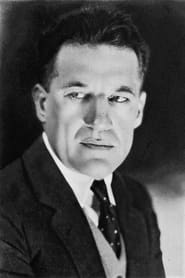
The cinematography of 'Blood and Sand' was notable for its time, employing innovative techniques that elevated visual storytelling in silent cinema. Director of Photography Victor Fleming utilized dramatic lighting contrasts to create a visual dichotomy between Juan's humble beginnings and his rise to fame, using soft, warm tones for scenes with Carmen and harsh, shadowy lighting for encounters with Doña Sol. The bullfighting sequences featured multiple camera angles and dynamic movement, capturing the action with unprecedented realism and excitement. The film's most notable technical achievement was its use of two-strip Technicolor for the corrida scenes, creating vibrant reds and golds that emphasized the spectacle and danger of the bullring. Fleming also employed innovative close-up techniques to capture the emotional nuances of Valentino's performance, helping establish the intimate connection between star and audience that would become a hallmark of Valentino's films.
Innovations
'Blood and Sand' pioneered several technical innovations that advanced the art of filmmaking. The film's most significant achievement was its early use of two-strip Technicolor, one of the first feature films to incorporate color sequences for dramatic effect rather than novelty. The production developed new techniques for filming action sequences, particularly the bullfighting scenes, using multiple cameras and innovative rigging systems to capture dynamic movement while ensuring safety. The film also featured advanced matte painting techniques to create convincing Spanish backgrounds and settings. The costume department developed new methods for creating authentic-looking Spanish costumes that could withstand the rigors of action filming while maintaining their visual impact. The film's success demonstrated the commercial viability of color in motion pictures, encouraging other studios to invest in color technology despite its high costs and technical challenges.
Music
As a silent film, 'Blood and Sand' was accompanied by live musical performances during its theatrical run. The original score was composed by Hugo Riesenfeld, one of the era's most prominent film composers, who created a sweeping orchestral piece that incorporated Spanish musical elements including castanets, guitars, and traditional Spanish folk melodies. The score featured distinct leitmotifs for each main character: a passionate, minor-key theme for Juan; a gentle, melodic theme for Carmen; and a seductive, exotic theme for Doña Sol. The bullfighting sequences were accompanied by dramatic, percussive music that heightened the tension and excitement of the arena scenes. Modern restorations of the film have used various musical interpretations, including contemporary Spanish guitar compositions and full orchestral arrangements that attempt to recreate the emotional impact of the original theatrical experience.
Famous quotes
In the ring of life, we are all bullfighters - some of us win, some of us lose, but all of us face the bull.
Fame is a woman who loves you today and forgets you tomorrow.
Between the horns of the bull and the arms of a woman, a man finds his destiny.
To be great in the arena is nothing if you are small in your heart.
Blood stains the sand, but love stains the soul forever.
Memorable scenes
- The opening sequence showing Juan's humble beginnings in the poor quarter of Seville, establishing his character's roots and motivations
- The first bullfight sequence where Juan achieves fame, featuring spectacular color tinting and innovative camera work that captures the danger and excitement of the corrida
- The seductive tango scene between Juan and Doña Sol, where their forbidden attraction becomes undeniable through passionate dancing and intimate close-ups
- The confrontation scene between Carmen and Doña Sol, where the two women representing Juan's dual nature face each other in a battle of wills
- The final bullfight where Juan, having lost his edge and confidence, faces his destiny in the arena, culminating in his tragic death that parallels the bandit Plumitas' fate
What audiences thought
Audiences responded to 'Blood and Sand' with unprecedented enthusiasm, making it one of the biggest box office successes of 1922. The film's premiere in New York City caused a near-riot as thousands of fans gathered to catch a glimpse of Valentino, demonstrating the actor's immense star power. Moviegoers were particularly captivated by the film's romantic elements and the dramatic bullfighting sequences, which they found both thrilling and authentically rendered. The chemistry between Valentino and his leading ladies, especially the forbidden passion with Nita Naldi's Doña Sol, resonated deeply with audiences of the Jazz Age. The film's success led to increased interest in Spanish culture across America, with bullfighting-themed parties and Spanish fashion becoming popular trends. Audience letters to fan magazines revealed that viewers identified strongly with Juan's moral struggles, seeing in his story a cautionary tale about the dangers of fame and infidelity.
Film connections
Influenced by
- The novel 'Sangre y Arena' by Vicente Blasco Ibáñez
- Spanish bullfighting traditions and literature
- Italian opera, particularly verismo works like 'Cavalleria Rusticana'
- Earlier Valentino films including 'The Sheik'
- European melodramatic traditions
- American literary naturalism
This film influenced
- Blood and Sand (1941) - The sound remake starring Tyrone Power
- The Pride and the Passion (1957) - Another Spanish epic with romantic elements
- El Cid (1961) - Epic historical drama with similar themes of honor and love
- The Last Bullfighter (1971) - Modern take on bullfighting themes
- The Mask of Zorro (1998) - Influenced by the Latin lover archetype
Film restoration
The film is preserved in the Library of Congress and has been restored by several archives including the Museum of Modern Art and the UCLA Film and Television Archive. Multiple versions exist, including the original 1922 release and later reissues with different musical scores. The Technicolor sequences have been particularly challenging to preserve due to the instability of early color film stock, but modern restoration techniques have successfully stabilized and enhanced these sequences. The film is considered to be in good preservation condition with complete elements available for study and exhibition.
Where to watch
- The Criterion Collection (Blu-ray/DVD)
- Kino Lorber (DVD/Blu-ray)
- The Criterion Channel (streaming)
- Turner Classic Movies (occasional broadcasts)
- Archive.org (public domain version)
- Fandor (streaming)
- MUBI (occasional streaming)
- FilmStruck (archived collection)