Films
2 films
About Fred Becker
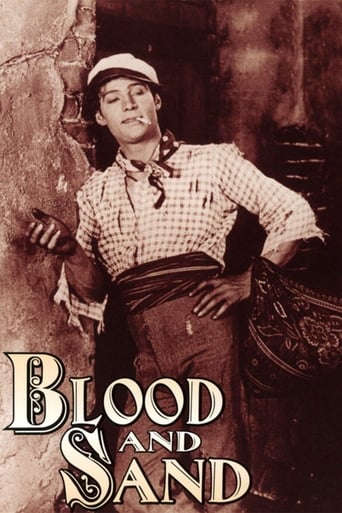
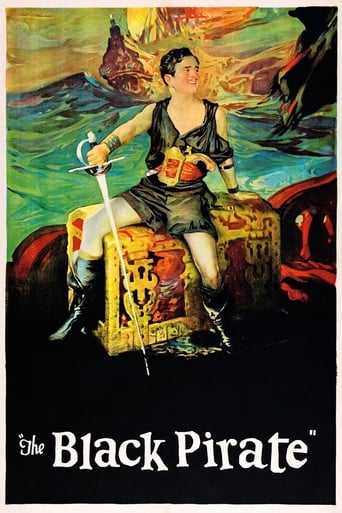
American actor who worked during the silent film era, primarily in the early 1920s. His career, though brief, saw him appear in some of the most significant productions of the period, including major starring vehicles for two of silent cinema's biggest icons. In 1922, he appeared in Rudolph Valentino's bullfighting drama 'Blood and Sand,' which was successful films of that year. Four years later, he joined the cast of Douglas Fairbanks' swashbuckling adventure 'The Black Pirate' (1926), which was notable for its early use of Technicolor. Becker's roles appear to have been primarily supporting or character parts, typical of many actors who populated the casts of major studio productions during Hollywood's golden silent era. His filmography, spanning from 1922 to 1926, suggests a career that was concentrated during the peak years of silent cinema production. Like many character actors of his generation, the transition to sound films in the late 1920s may have marked the end of his screen career, as was common for performers whose skills were particularly suited to silent film techniques.
The Craft
On Screen
As a supporting actor in the silent era, Fred Becker likely employed the exaggerated physical acting style typical of the period, using facial expressions and body language to convey emotion and character without dialogue. His casting in major productions suggests he was competent in the pantomimic techniques required for silent film performance.
Milestones
- Appeared in Rudolph Valentino's 'Blood and Sand' (1922)
- Cast in Douglas Fairbanks' 'The Black Pirate' (1926)
- Worked during the peak of the silent film era
Best Known For
Iconic Roles
Must-See Films
Working Relationships
Worked Often With
Studios
Why They Matter
Impact on Culture
Fred Becker's contribution to cinema, while not widely documented, represents the essential foundation upon which Hollywood's golden age was built. As a supporting actor in major productions, he was part of the ensemble that helped create the spectacle and drama that defined silent cinema. His participation in films starring icons like Valentino and Fairbanks places him within the historical context of cinema's most transformative decade.
Lasting Legacy
Fred Becker's legacy is preserved through his appearances in two significant films of the silent era that continue to be studied and appreciated by film historians and enthusiasts. While he may not have achieved star status, his work in these productions contributes to our understanding of the ensemble nature of silent filmmaking and the army of talented actors who brought these classic stories to life.
Who They Inspired
As a character actor from the silent era, Fred Becker's direct influence on subsequent generations of performers is difficult to trace, but like all actors who worked in foundational cinema, he contributed to the development of film acting techniques that would evolve and be refined by later performers.
Off Screen
Very little personal information is available about Fred Becker, which is common for many supporting actors from the silent era whose lives were not extensively documented in film industry publications of the time.
Did You Know?
- Appeared in two of the most significant films of the mid-1920s
- Worked with both Rudolph Valentino and Douglas Fairbanks, two of the biggest stars of the silent era
- His active years covered the crucial transition period before the advent of sound
- The Black Pirate (1926) was one of the early films to use Technicolor
- Blood and Sand (1922) was one of Valentino's most successful films
- Like many silent era actors, his career appears to have ended with the transition to sound films
Frequently Asked Questions
Who was Fred Becker?
American with credits in this catalog.
What films is Fred Becker best known for?
Titles linked here include Blood and Sand (1922), The Black Pirate (1926).
When was Fred Becker active in films?
Fred Becker's known film active years covered from 1922 to 1926, covering the peak years of silent cinema production just before the transition to sound films.
Did Fred Becker work with any major stars?
Yes, Fred Becker appeared in films with two of the biggest stars of the silent era - Rudolph Valentino in 'Blood and Sand' and Douglas Fairbanks in 'The Black Pirate'.
What was Fred Becker's role in Hollywood?
Fred Becker appears to have been a supporting or character actor who populated the ensembles of major studio productions during the silent era, contributing to the overall spectacle of these important films.