
The Black Pirate
"A nobleman infiltrates the pirate crew"
Keys: Space play/pause · ←/→ 10s · F fullscreen · M mute · </> speed
About this film
A nobleman vows to avenge the death of his father by the hands of pirates. To this end, he infiltrates the pirate band; Acting in character, he single-handedly captures a merchant vessel, but things are complicated when he finds that there is a beautiful young woman of royal bloo
Cast & crew
More films like this

More Adventure films
View all →


More from Albert Parker
View all →

More about this film
About the production
Release dateMarch 8, 1926
Budget$1,000,000 (enormous for 1926, making it a major studio gamble for its era)
Box officeVery successful, grossing approximately $1.5 million domestically, making it one of Fairbanks' biggest hits
ProductionThe Elton Corporation, Douglas Fairbanks Pictures Corporation
Filmed inSanta Catalina Island, California, Los Angeles, California, Various coastal locations in Southern California
The Black Pirate was groundbreaking as the first full-length feature filmed entirely in Technicolor's two-color process. The production faced significant technical challenges with the early color system, requiring massive amounts of lighting and causing the cameras to be extremely loud and cumbersome. Fairbanks insisted on performing his own stunts, including the famous scene where he slides down a sail using a knife. The film took nearly a year to complete due to the complexities of the color process and Fairbanks' perfectionism regarding the action sequences.
Themes
Revenge and justiceDeception and hidden identityLove conquering all obstaclesNobility versus criminalityHonor and redemption
Themes & topics
piratesrevengedisguiseprincessswashbuckleradventuretechnicolorsilent filmnoblemanhigh seastreasureactionromancebetrayalheroism
Historical background
The Black Pirate appeared in 1926, when the late silent period and the transition to sound shaped how movies were financed, distributed, and discussed. Audiences of the day encountered the work amid shifting tastes in acting, pacing, and spectacle. Its focus on a nobleman vows to avenge the death of his father by the hands of pirates mirrors themes circulating in popular culture of that moment.
Why this film matters
The Black Pirate (1926) belongs to the wider archive of world cinema, documenting a nobleman vows to avenge the death of. Archivists and historians value such titles for what they reveal about craft, genre, and audience expectations. Restorations and festival screenings keep the work visible to viewers far beyond its first run.
Making of
The production of The Black Pirate was a monumental undertaking that pushed the boundaries of 1920s filmmaking. Douglas Fairbanks, already a major star, took an enormous financial risk by investing in the expensive and unproven two-color Technicolor process. The filming process was grueling, with the Technicolor cameras being twice as heavy as standard cameras and requiring enormous amounts of lighting, which created sweltering conditions on set. Fairbanks, known for his athletic performances, insisted on performing all his own stunts, including the iconic sail-sliding sequence that required weeks of rehearsal. The production team built a full-scale pirate ship and elaborate coastal sets on Santa Catalina Island. The film's underwater sequences were particularly challenging, requiring early diving equipment and specialized camera housing. Fairbanks' attention to detail extended to the choreography of every action sequence, which he personally designed and rehearsed extensively.
What critics said
Press coverage from 1926 is fragmentary for many titles of this vintage; surviving notices for The Black Pirate tend to stress novelty, star power, or topical appeal. Later writing places the picture within its national and generic context, weighing both period conventions and moments that still land for modern viewers. Streaming and disc releases have revived discussion among classic-film audiences.
Did you know?
- This was the first full-length feature film to be shot entirely in Technicolor, making it a landmark in cinema history
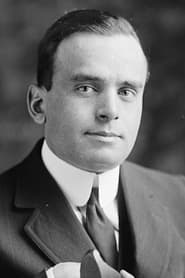
- Douglas Fairbanks not only starred in but also conceived the story and was heavily involved in all aspects of production
- The famous scene where Fairbanks slides down the sail using a knife was performed by Fairbanks himself without stunt doubles
- The film's success led to Fairbanks building his own production facilities at the Pickford-Fairbanks studio lot
- Early Technicolor required such intense lighting that temperatures on set often exceeded 100 degrees
- The film was originally intended to be even longer, but was cut down after preview audiences found some sequences too lengthy
- Fairbanks wore a specially designed lightweight costume for his stunts, as the heavy pirate costumes of the era would have made the acrobatic sequences impossible
- The pirate ship used in the film was a full-scale replica built specifically for the production
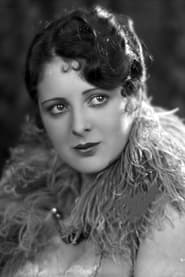
- Billie Dove was chosen for the lead female role after Fairbanks was impressed by her performance in another film
- The film's color process required that all actors wear special makeup to avoid appearing green or red on screen
Awards & recognition
- Special Award for Technical Achievement from the Academy of Motion Picture Arts and Sciences (1927) for pioneering work in color cinematography
Visual style
The cinematography of The Black Pirate was revolutionary for its time, utilizing the two-strip Technicolor process to create a visually stunning spectacle. The film's color palette, while limited by the technology to primarily reds and greens, was used artistically to enhance the drama and romance of the story. The underwater sequences were particularly groundbreaking, requiring specialized equipment and innovative techniques to capture color footage beneath the surface. The camera work during the action sequences was dynamic and fluid, with sweeping movements that emphasized Fairbanks' acrobatic performances. The film's cinematographers, Henry Sharp and Ray Rennahan, had to overcome numerous technical challenges, including the need for massive lighting setups and the noise of the early Technicolor cameras. Their work set new standards for color cinematography and influenced how action sequences would be filmed for decades to come.
Innovations
The Black Pirate's most significant technical achievement was its pioneering use of two-strip Technicolor for a full-length feature film. The process required filming simultaneously through red and green filters, which were then combined to create a color image. This necessitated the development of special cameras that were twice as large and heavy as standard cameras, making mobile shots extremely difficult. The film also featured innovative underwater photography, with early diving equipment and waterproof camera housing developed specifically for the production. The stunt work, particularly Fairbanks' sail-sliding sequence, required the development of special rigging and safety equipment. The film's production design incorporated techniques to enhance the color process, including specially painted backdrops and costumes designed to work within the limited color palette. These technical innovations would influence filmmaking for years to come and helped establish color as a viable medium for feature films.
Music
As a silent film, The Black Pirate was originally presented with live musical accompaniment that varied by theater. The score was composed by Mortimer Wilson, who created a thematic score that complemented the film's adventurous and romantic elements. The music featured nautical themes, Spanish-inspired melodies, and dramatic orchestral passages that enhanced the action sequences. Many theaters employed full orchestras for the film's premiere engagements, while smaller venues used organ accompaniment. The original score has been reconstructed for modern screenings and home video releases, allowing contemporary audiences to experience the film as intended. The soundtrack also included sound effects created by theater musicians, such as cannon fire, crashing waves, and sword clashes, which added to the immersive experience.
Famous quotes
I am The Black Pirate! I have sworn to rid the seas of the villainy that took my father's life!
A pirate's life is not for the faint of heart, but for those who dare to claim their destiny!
Justice may be delayed, but it will not be denied!
The sea gives life and takes it away, but honor remains eternal!
Memorable scenes
- The iconic sequence where Fairbanks slides down the massive sail using his knife, cutting his way down in a daring display of athleticism and courage
- The dramatic introduction of The Black Pirate as he single-handedly captures the merchant ship through a series of acrobatic feats
- The underwater sequences showing Fairbanks swimming beneath the pirate ship to sabotage it
- The climactic sword fight where Fairbanks reveals his true identity and battles the pirate leader
- The romantic scenes between Fairbanks and Billie Dove aboard the captured ship, providing emotional depth to the adventure
What audiences thought
The Black Pirate was a massive commercial success upon its release, with audiences flocking to theaters to see the spectacle of a full-length color film. Ticket prices were higher than for typical black-and-white films, but this didn't deter moviegoers who were eager to experience the new technology. The film's action sequences and Fairbanks' charismatic performance were particularly popular with audiences of all ages. Contemporary newspaper accounts reported standing ovations at many screenings, with audiences especially responding to the famous sail-sliding sequence. The film's success led to extended runs in many cities and helped establish color films as commercially viable. Modern audiences who discover the film through revivals and home video continue to be impressed by its visual spectacle and Fairbanks' athletic prowess.
Film connections
Influenced by
- Treasure Island by Robert Louis Stevenson
- Captain Blood by Rafael Sabatini
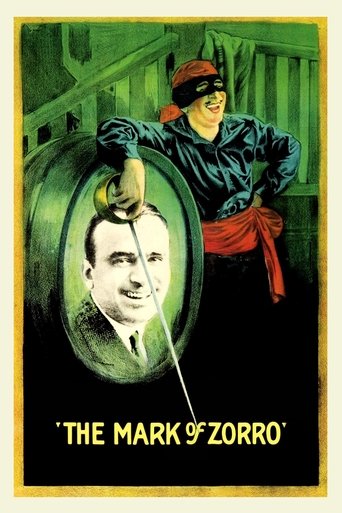
- Earlier Fairbanks swashbucklers like The Mark of Zorro (1920)
- The Sea Hawk (1924)
- Contemporary adventure literature and pulp magazines
This film influenced
- Captain Blood (1935)
- The Sea Hawk (1940)
- The Crimson Pirate (1952)
- Pirates of the Caribbean series
- The Princess Bride (1987)
- Cutthroat Island (1995)
- Master and Commander (2003)
Film restoration
The Black Pirate has been remarkably well-preserved, with the original Technicolor elements surviving in archives. The film underwent a major restoration by the Museum of Modern Art and The Film Foundation in the 1990s, which preserved both the color version and a black-and-white version that was also created for theaters lacking Technicolor projection. The restored version was released on DVD and Blu-ray by The Criterion Collection, ensuring its availability for future generations. The film is preserved in the Library of Congress's National Film Registry, having been selected for preservation in 1993 due to its cultural, historical, and aesthetic significance.
Where to watch
- The Criterion Collection (Blu-ray and DVD)
- The Criterion Channel (streaming)
- Kino Lorber (DVD/Blu-ray releases)
- Various classic film streaming services
- Museum screenings and film archive showings
- Public domain versions available on some streaming platforms (though quality varies)