
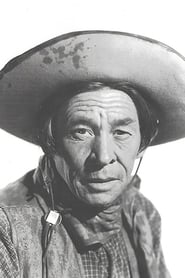
Charles Stevens
Actor
Born: May 26, 1893 in San Francisco, California, USA Died: August 22, 1964 Active: 1915-1964 Birth Name: Carlos Esteban De Los Reyes
Films
14 films
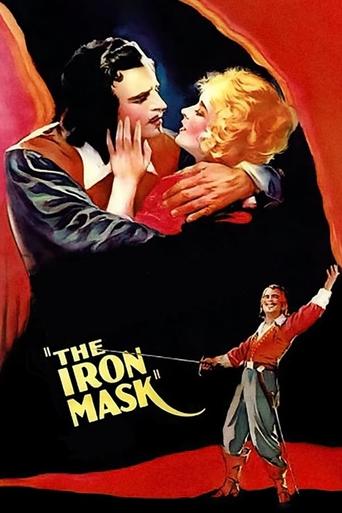
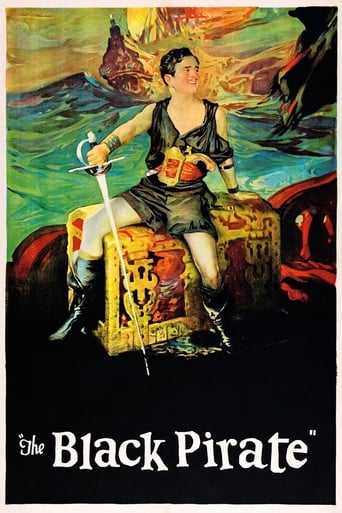
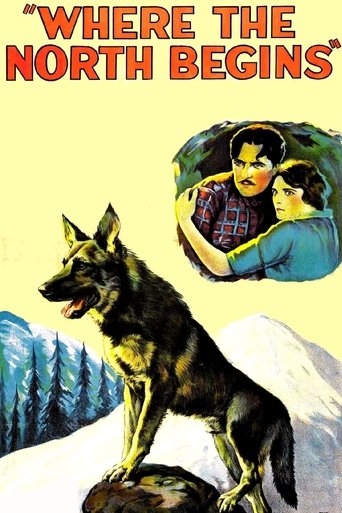
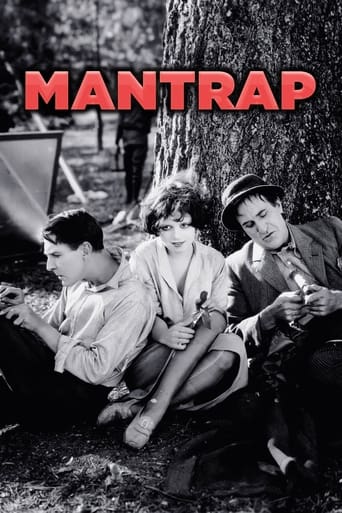
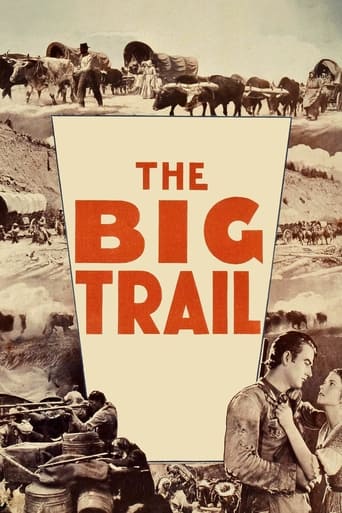
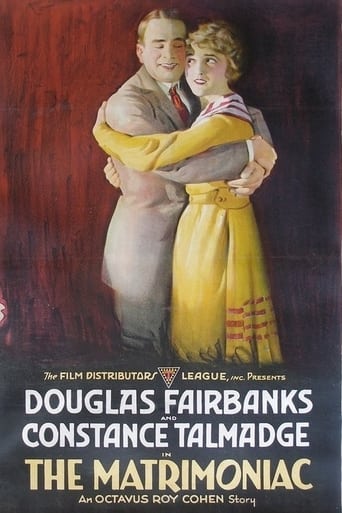
About Charles Stevens
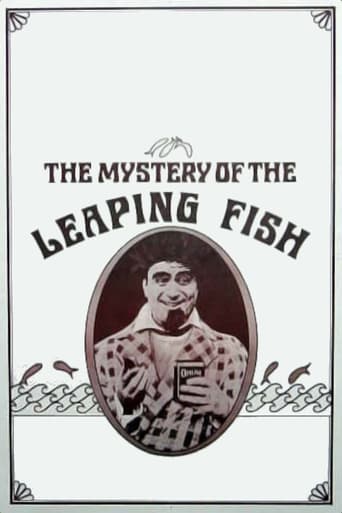
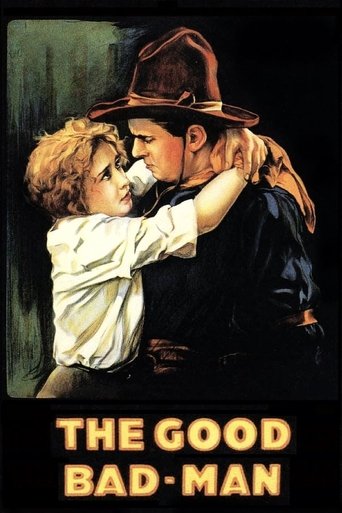
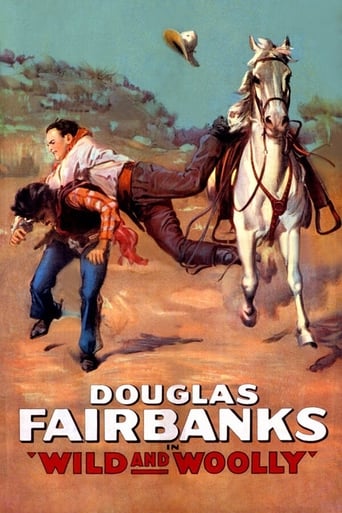
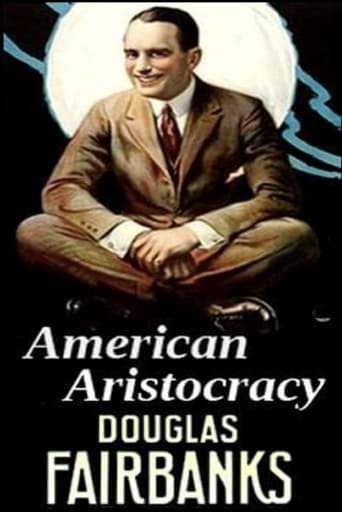
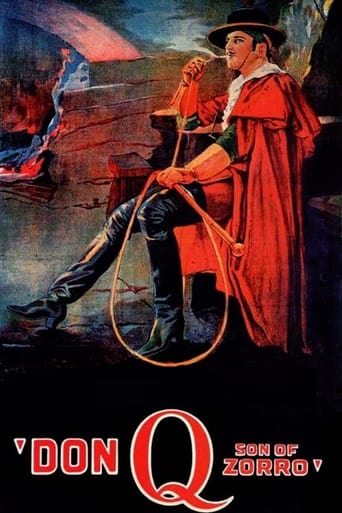
Charles Stevens, born Carlos Esteban De Los Reyes, was a prolific Mexican-American character actor who appeared in over 200 films during the silent era and early sound period. Born on May 26, 1893, in San Francisco, California, he began his film career around 1915 and quickly established himself as a reliable character actor specializing in ethnic roles, particularly Native American and Mexican characters. Stevens became a frequent collaborator with Douglas Fairbanks, appearing in several of his most popular adventure films including 'The Mystery of the Leaping Fish' (1916), 'The Good Bad-Man' (1916), 'American Aristocracy' (1916), and 'Wild and Woolly' (1917). His expressive face and physical acting style made him particularly effective in silent films, where he could convey emotion through gesture and expression rather than dialogue. Stevens successfully transitioned to sound films, though his roles gradually became smaller as he aged, and he continued working in Hollywood through the 1930s, 1940s, and into the early 1960s. His nearly five-decade some of the most significant developments in cinema history, from the golden age of silent films through the transition to talkies and into the modern era. He passed away on August 22, 1964, in Los Angeles, leaving behind a as one of Hollywood's most enduring character actors.
The Craft
On Screen
Stevens was known for his expressive face and physical acting techniques essential for silent films, using broad gestures and facial expressions to convey emotion in the absence of dialogue. His distinctive appearance allowed him to convincingly portray various ethnic characters, and he developed a reputation for reliability and professionalism on set. His style emphasized clear visual storytelling through movement and expression, making him particularly effective in the silent medium.
Milestones
- Frequent collaborator with Douglas Fairbanks in the 1910s
- Appeared in over 200 films throughout his career
- Successfully transitioned from silent films to talkies
- Worked with legendary directors like D.W. Griffith and Cecil B. DeMille
- Appeared in both versions of 'The Thief of Bagdad' (1924 and 1940)
Best Known For
Iconic Roles
Must-See Films
Accolades
Special Recognition
- Extensive filmography spanning nearly five decades
- Consistent work through major transitions in cinema history
Working Relationships
Worked Often With
Studios
Why They Matter
Impact on Culture
Charles Stevens was part of the generation of character actors who helped establish the visual language of cinema during the silent era. His ability to portray diverse ethnic characters, while reflecting the problematic casting practices of his time, was typical of early Hollywood and influenced how such characters were represented in subsequent films. Stevens contributed significantly to the development of the Western genre and helped create archetypal character roles that would influence later films and television productions. His work with major stars like Douglas Fairbanks helped establish the dynamic between leading men and their ethnic sidekicks in adventure films, a trope that would persist throughout Hollywood history.
Lasting Legacy
Stevens' legacy lies in his extensive body of work and his contribution to silent cinema, particularly in Westerns and adventure films. His collaborations with major stars and directors of the era helped shape early Hollywood cinema, and his ability to maintain a career through the transition to sound demonstrates his adaptability as a performer. While not a leading man, his consistent presence in films over several decades illustrates the crucial role character actors played in creating rich cinematic worlds and supporting the narratives of bigger stars. His filmography serves as a valuable record of early Hollywood's approach to ethnic representation and casting practices.
Who They Inspired
As a character actor who specialized in ethnic roles, Stevens influenced how such characters were portrayed in early cinema, establishing patterns and archetypes that would persist for decades. His work with Douglas Fairbanks helped create the template for the ethnic sidekick in adventure films, a role that would be replicated in countless subsequent productions. While his casting as various ethnicities reflects the problematic practices of early Hollywood, his longevity in the industry also demonstrated the possibility for actors of Mexican descent to maintain careers in the film industry during a period of significant racial discrimination in Hollywood.
Off Screen
Charles Stevens was married to actress Lucille Mendez, with whom he shared both his personal life and professional connections in Hollywood. Despite his lengthy career and numerous film appearances, Stevens maintained a relatively private personal life, with limited public information about his family relationships or personal interests beyond his work in film. His ability to maintain steady employment through various eras of Hollywood history suggests a professional dedication to his craft and adaptability to changing industry demands.
Family
- Lucille Mendez
Did You Know?
- His real name was Carlos Esteban De Los Reyes
- He was of Mexican descent but often played Native American characters
- He appeared in over 200 films during his career
- He was a favorite of Douglas Fairbanks, appearing in several of his films
- He successfully transitioned from silent films to talkies
- He worked with legendary directors like D.W. Griffith and Cecil B. DeMille
- He appeared in both 'The Thief of Bagdad' (1924) and its 1940 remake
- He was one of the few actors of Mexican descent to have a lengthy career in early Hollywood
- His last film appearance was in 'The Comancheros' (1961)
- His active years covered nearly five decades, from the silent era through the early 1960s
Frequently Asked Questions
Who was Charles Stevens?
Screen credits include over 200 films during the silent era and early sound period, known for playing ethnic roles, particularly Native American and Mexican characters in Westerns and adventure films.
What films is Charles Stevens best known for?
Titles linked here include The Mystery of the Leaping Fish (1916), The Good Bad-Man (1916).
When was Charles Stevens born and when did he die?
Born May 26, 1893; died August 22, 1964.
What awards did Charles Stevens win?
While Charles Stevens had an extensive career spanning nearly five decades and appeared in over 200 films, there are no documented major awards or nominations for his work, which was common for character actors of his era who were often overlooked by award ceremonies.
What was Charles Stevens' acting style?
Stevens was known for his expressive face and physical acting techniques essential for silent films, using broad gestures and facial expressions to convey emotion, and his distinctive appearance allowed him to convincingly portray various ethnic characters throughout his career.
How did Charles Stevens transition from silent to sound films?
Stevens successfully made the transition from silent to sound films, though his roles became smaller as he aged, and he continued working in Hollywood films through the 1930s, 1940s, and into the early 1960s, demonstrating his adaptability as a performer.
What was Charles Stevens' real name?
Charles Stevens' birth name was Carlos Esteban De Los Reyes, which he anglicized when he began his acting career in Hollywood, a common practice for ethnic actors in early film.
Who did Charles Stevens frequently work with?
Stevens frequently collaborated with Douglas Fairbanks in the 1910s, appearing in several of his adventure films, and also worked with renowned directors like D.W. Griffith, Cecil B. DeMille, and John Ford throughout his extensive career.