
The Mystery of the Leaping Fish
"Douglas Fairbanks sniffs cocaine to solve crime."
Keys: Space play/pause · ←/→ 10s · F fullscreen · M mute · </> speed
About this film
The adventures of Coke Ennyday, a brilliant but eccentric scientific detective who divides his time into periods of 'Sleep', 'Eat', 'Dope' and 'Drinks'. When the police seek his help in busting an international opium smuggling ring, Ennyday employs his unique methodology, using cocaine to boost his energy and injecting drugs into his adversaries to incapacitate them. The investigation leads him to discover that the contraband opium is being transported inside 'leaping fishes' - fish that have been surgically implanted with drug packets. Along the way, Ennyday rescues a young 'fish-blower' girl…
Cast & crew
More films like this

More Mystery films
View all →
More from Christy Cabanne
View all →
More about this film
About the production
Release dateJuly 16, 1916
ProductionFine Arts Film Company, Triangle Film Corporation
Filmed inLos Angeles, California, Fine Arts Studio, Hollywood
The film was produced during Douglas Fairbanks's early career when he was establishing himself as a leading man in comedy. The production was remarkably quick, typical of the era, with filming completed in just a few days. The drug paraphernalia and cocaine props used in the film were reportedly real, causing concern even among some cast members. The 'leaping fish' effect was achieved through simple stop-motion techniques and wire work, innovative for its time.
Themes
Drug use and addictionParody of detective fictionScientific rationalismMoral ambiguityCrime and punishment
Themes & topics
detectivecocaineopiumsmugglingparodycomedymysterycrimedrugsscientific detectiveblackmailfishsilent film
Historical background
The Mystery of the Leaping Fish (1916) reached screens through Fine Arts Film Company. Exhibitors of the time built silent-era bills that mixed shorts, features, and live acts, so a clear premise helped The Mystery of the Leaping Fish travel between cities and exchange markets.
Why this film matters
Archivists and revival programmers still cite The Mystery of the Leaping Fish (1916) when tracing studio habits, casting pools, and the visual rhetoric audiences once took for granted. Even modest surviving prints help map how The Mystery of the Leaping Fish fit beside competing releases of its day.
Making of
The making of The Mystery of the Leaping Fish was as unconventional as its content. Director Christy Cabanne, known for his efficiency, pushed the boundaries of acceptable content even by 1916 standards. Douglas Fairbanks, eager to establish his comedic persona, embraced the controversial role with enthusiasm, reportedly suggesting many of the more outrageous drug-related gags himself. The production team faced challenges from studio executives who were concerned about the film's explicit drug content, but Fairbanks's rising star power helped push the project forward. The special effects for the 'leaping fish' sequences were created using primitive but effective techniques, including fishing line and careful editing. The film's rapid production schedule meant many scenes were shot in single takes, contributing to its energetic pace. Bessie Love, playing the fish-blower girl, was reportedly uncomfortable with some scenes but was encouraged by Fairbanks's professional demeanor on set.
What critics said
Trade coverage around 1916 discussed The Mystery of the Leaping Fish for pacing, clarity, and program fit rather than blockbuster grosses. Later writers value it as evidence of period style and as a reference point beside other films from the same era.
Did you know?
- The film is considered.
- Coke Ennyday was a parody of Sherlock Holmes, with the name being an obvious play on cocaine.
- The film was banned in several cities and countries upon release due to its explicit drug content and positive portrayal of drug use.
- Douglas Fairbanks reportedly performed his own stunts, including the scenes where he injects drugs into his opponents.
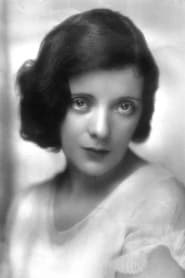
- The 'fish-blower' girl was played by Bessie Love, who would later become a major star and receive an Academy Award nomination.
- The film was considered lost for decades before a copy was discovered in the 1970s.
- Despite its controversial content, the film was a box office success, capitalizing on Fairbanks's growing popularity.
- The opium shown in the film was reportedly real, though the actors were not actually consuming it.
- The film's title refers to the method used by smugglers to transport drugs inside fish that would leap when thrown.
- Contemporary drug reformers cited the film as evidence of Hollywood's corrupting influence on youth.
Visual style
The cinematography by William F. Haddock and Victor Fleming employed the standard techniques of 1916 but with particular attention to the fast-paced comedy sequences. The camera work was relatively static, typical of the era, but used creative angles during the drug-induced hallucination sequences. The film utilized close-ups effectively to capture Fairbanks's expressive performance and the various drug paraphernalia. The 'leaping fish' sequences required innovative camera techniques to create the illusion of movement, including careful timing and framing. The lighting was bright and even, characteristic of comedy films of the period, enhancing the film's energetic tone.
Innovations
While not technically groundbreaking, The Mystery of the Leaping Fish demonstrated solid craftsmanship in special effects for its time. The 'leaping fish' sequences used innovative stop-motion techniques and wire work that, while primitive by modern standards, were effective for 1916 audiences. The film's editing was notably brisk for the period, helping to maintain the comedic pace. The production design for the detective's laboratory and the opium den scenes was elaborate and detailed, creating convincing environments for the story. The film's preservation and restoration have also been technically significant, allowing modern audiences to experience this rare example of early controversial cinema.
Music
As a silent film, The Mystery of the Leaping Fish was originally accompanied by live musical performance in theaters. The typical score would have been compiled from popular classical pieces and theater music, with selections chosen to match the film's energetic and mysterious tone. For the drug sequences, theaters might have used more exotic or mysterious musical selections to enhance the mood. Modern screenings often feature newly composed scores that acknowledge the film's controversial content while maintaining its comedic spirit. The restored version available today includes various optional musical accompaniments, ranging from authentic period-appropriate scores to modern interpretations.
Famous quotes
'Sleep, Eat, Dope, Drinks - my four periods of the day!'
'A little cocaine never hurt anyone - except the criminals!'
'The case is as clear as cocaine crystals!'
'When in doubt, inject!'
'These fish aren't just jumping - they're smuggling!'
Memorable scenes
- The opening sequence introducing Coke Ennyday's four daily periods
- The detective's elaborate drug-taking ritual before solving crimes
- The 'leaping fish' sequence revealing the smuggling method
- The laboratory scene where Ennyday creates his chemical weapons
- The climactic confrontation where Ennyday defeats the smugglers using drugs
- The rescue of the fish-blower girl from the blackmailers
What audiences thought
Audiences in 1916 generally received The Mystery of the Leaping Fish with enthusiasm, drawn by Douglas Fairbanks's growing popularity and the film's outrageous humor. The film was a commercial success, playing to packed houses in major cities despite being banned in several conservative markets. Contemporary audience members reportedly laughed at the absurd situations and Fairbanks's physical comedy, though some expressed discomfort with the drug content. Modern audiences viewing the restored version often react with astonishment at the film's casual approach to drug use, finding it both entertaining and disturbing. The film has developed a cult following among silent film enthusiasts and those interested in the history of drug portrayals in cinema.
Film connections
Influenced by
- Sherlock Holmes stories by Arthur Conan Doyle
- The Mystery of the Yellow Room by Gaston Leroux
- Early American detective fiction
- Drug literature of the Progressive Era
This film influenced
- The Pink Panther series
- The Naked Gun films
- Austin Powers series
- Sherlock Holmes parodies
- Drug comedy films
Film restoration
The film was considered lost for many years but a complete print was discovered in the 1970s. It has been restored by film archives and is now preserved at the Library of Congress and other institutions. The restored version is available in relatively good quality considering its age, though some deterioration is visible. The film is now considered safely preserved for future generations.
Where to watch
- YouTube (various uploads of the restored version)
- Internet Archive
- Silent Hall of Fame website
- Film preservation organization screenings
- Classic film streaming services specializing in silent cinema
- Museum film programs
- Film archive collections