William Lowery
Actor
Born: July 22, 1885 in St. Louis, Missouri, USA Died: November 15, 1936 Active: 1915-1922 Birth Name: William H. Lowery
Films
6 films
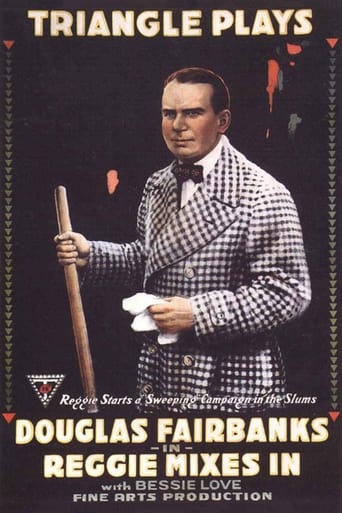
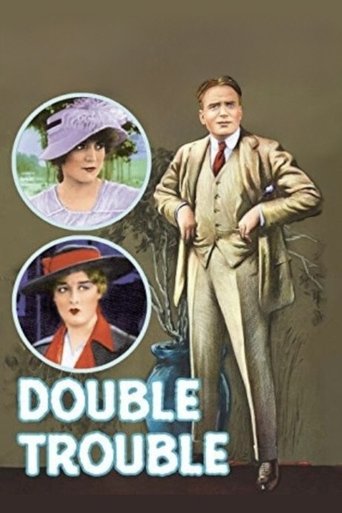
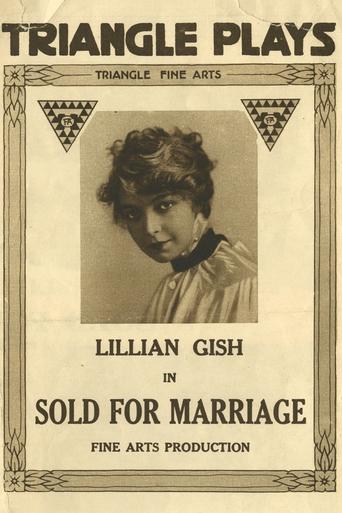
About William Lowery
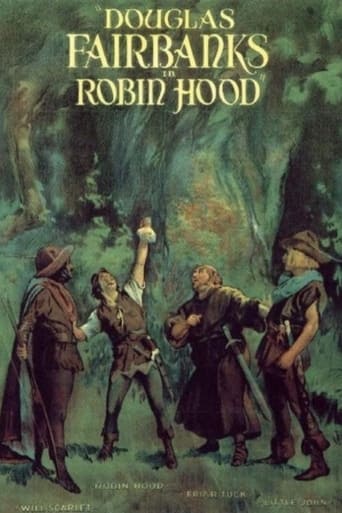
American character actor who flourished during the golden age of silent cinema, appearing in over 100 films between 1915 and 1922. Born in St. Louis, Missouri, he began his career on the legitimate stage before transitioning to motion pictures as the film industry took root in Hollywood. Lowery established himself as a reliable supporting player, known for his versatility in portraying authority figures, villains, and comic relief characters. He worked frequently with major stars of the era including Douglas Fairbanks, Buster Keaton, and Douglas Fairbanks Sr., appearing in several of their most celebrated productions. His most notable role came as one of the Merry Men in Fairbanks' lavish 1922 production of 'Robin Hood.' Like many character actors of his generation, Lowery's career waned with the transition to sound films, and he retired from acting in the early 1920s, returning to private life until his death in 1936.
The Craft
On Screen
Versatile character actor specializing in supporting roles, particularly adept at portraying authority figures, villains, and comic relief. His theatrical background provided him with strong screen presence and the ability to convey emotion effectively in the silent medium. Lowery employed exaggerated gestures and facial expressions typical of the era, yet maintained a natural quality that made his characters believable.
Milestones
- Appeared in Douglas Fairbanks' 'Robin Hood' (1922)
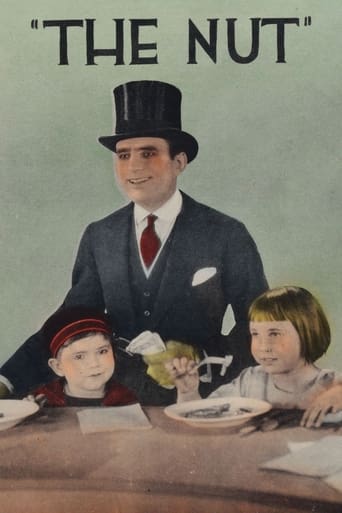
- Worked with Buster Keaton in 'The Nut' (1921)
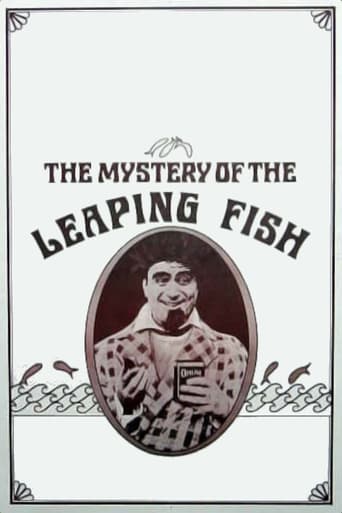
- Featured in Douglas Fairbanks productions including 'The Mystery of the Leaping Fish' (1916)
- Prolific character actor with over 100 film credits
- Transitioned successfully from stage to silent film career
Best Known For
Iconic Roles
Must-See Films
Working Relationships
Worked Often With
Studios
Why They Matter
Impact on Culture
William Lowery represents the essential but often overlooked character actors who formed the backbone of silent era cinema. While never achieving leading man status, his contributions to major productions helped create the rich, textured worlds that defined classic Hollywood films. His work in Douglas Fairbanks' swashbucklers and Buster Keaton's comedies exemplifies the crucial supporting roles that elevated these films to classic status. Lowery's career trajectory also illustrates the challenges faced by many silent film actors during the industry's transition to sound, where established character actors often found themselves displaced.
Lasting Legacy
William Lowery's legacy lies in his body of work that survives as part of America's cinematic heritage. Though not a household name, his performances in significant silent films continue to be appreciated by film historians and silent cinema enthusiasts. His appearances in landmark productions like 'Robin Hood' ensure that his work remains accessible to future generations studying the evolution of American cinema. Lowery exemplifies the journey of countless actors who contributed to the golden age of Hollywood without achieving lasting fame, yet whose collective efforts shaped the foundation of the film industry.
Who They Inspired
As a supporting character actor, William Lowery's direct influence on other performers is difficult to trace, but his professional approach to character work set standards for subsequent generations of character actors. His ability to adapt to various roles and genres demonstrated the versatility required for successful supporting careers in Hollywood. The techniques he employed for effective silent film performance contributed to the developing language of cinema that would influence actors who followed in his footsteps.
Off Screen
William Lowery maintained a relatively private personal life away from the Hollywood spotlight. After retiring from films in the early 1920s, he returned to a more conventional life away from the entertainment industry. He spent his later years in Los Angeles, where he passed away in 1936 at the age of 51. Details about his family life and relationships remain scarce, as was common for supporting actors of his era who did not achieve star status.
Education
Likely received formal theatrical training given his stage background, though specific educational details are not documented in available sources
Family
- Information not available in historical records
Did You Know?
- Appeared in over 100 films during his brief 7-year career
- Worked with both Douglas Fairbanks Sr. And Douglas Fairbanks Jr.
- Was part of the ensemble cast in what was then the most expensive film ever made, 'Robin Hood' (1922)
- His career ended just as the transition to sound films was beginning
- Often played authority figures such as policemen, officials, and villains
- Shared the screen with many of the biggest stars of the silent era
- His stage background likely contributed to his success in silent films
- Retired from acting before reaching age 40
- Died relatively young at age 51, just 14 years after leaving the film industry
- His filmography includes work with comedy and adventure directors
In Their Own Words
No documented quotes from William Lowery are available in historical records, which was common for supporting actors of the silent era who were rarely interviewed by publications
Frequently Asked Questions
Who was William Lowery?
American character with credits in this catalog. He was known for his versatile supporting roles in major productions with stars like Douglas Fairbanks and Buster Keaton.
What films is William Lowery best known for?
Titles linked here include Robin Hood (1922), The Nut (1921).
When was William Lowery born and when did he die?
Born July 22, 1885; died November 15, 1936.
What awards did William Lowery win?
William Lowery did not receive any major awards or nominations during his career, which was common for supporting character actors of the silent era who were often overlooked by award ceremonies.
What was William Lowery's acting style?
Lowery — versatile character actor specializing in supporting roles, particularly adept at portraying authority figures, villains, and comic relief. His theatrical background provided strong screen presence and effective emotional expression in the silent medium.
Why did William Lowery's career end in 1922?
Lowery's career ended around 1922, likely due to the impending transition to sound films in Hollywood. Many character actors of his era found it difficult to adapt to the new medium or were simply phased out as the industry evolved.
Did William Lowery work with any famous directors?
Yes, Lowery worked with several prominent directors of the silent era including Allan Dwan, Victor Fleming, and John Emerson, particularly in his collaborations with Douglas Fairbanks Productions.