
Robin Hood
"Douglas Fairbanks scales castle walls as Robin Hood."
Keys: Space play/pause · ←/→ 10s · F fullscreen · M mute · </> speed
About this film
Amid big-budget medieval pageantry, King Richard goes on the Crusades leaving his brother Prince John as regent, who promptly emerges as a cruel, grasping, treacherous tyrant. Apprised of England's peril by message from his lady-love Marian, the dashing Earl of Huntingdon endange.
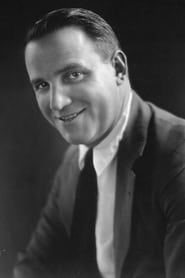
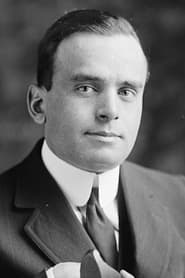
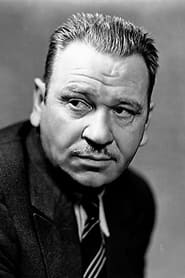
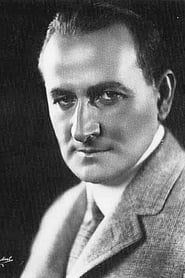
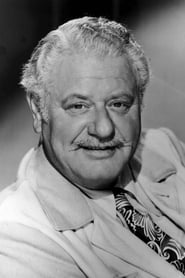
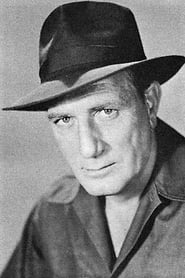
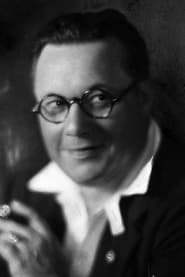
Cast & crew
More films like this

More Adventure films
View all →

More from Allan Dwan
View all →


More about this film
About the production
Release dateDecember 18, 1922
Budget$1,000,000 (enormous for 1922, equivalent to over $16 million today)
Box officeHighly successful, though exact figures are not preserved in historical records
ProductionDouglas Fairbanks Pictures Corporation, United Artists
Filmed inLos Angeles, California, Fairbanks' private studio lot, Various California locations for forest scenes
The film featured one of the largest sets ever built at the time - a full-scale replica of Nottingham Castle. Fairbanks personally financed much of the production and insisted on authentic medieval architecture. The production employed over 1,200 extras and took nearly a year to complete. Fairbanks performed all his own stunts, including the famous leap from a castle wall that became one of cinema's earliest iconic action sequences.
Themes
Themes & topics
medievaloutlawsword fightingarcherycrusadesroyaltyrebellionforestcastledisguise
Historical background
Robin Hood (1922) reached screens through Douglas Fairbanks Pictures Corporation. Exhibitors of the time built silent-era bills that mixed shorts, features, and live acts, so a clear premise helped Robin Hood travel between cities and exchange markets.
Why this film matters
Archivists and revival programmers still cite Robin Hood (1922) when tracing studio habits, casting pools, and the visual rhetoric audiences once took for granted. Even modest surviving prints help map how Robin Hood fit beside competing releases of its day.
Making of
The production was a monumental undertaking that showcased Douglas Fairbanks' vision and ambition as both an actor and producer. Fairbanks personally oversaw every aspect of the film, from historical research to costume design. He worked closely with director Allan Dwan to create elaborate action sequences that had never been seen before in cinema. The famous castle set was constructed with such attention to detail that it included working drawbridges and authentic medieval architecture. Fairbanks insisted on performing all his own stunts, including dangerous leaps and sword fights, often rehearsing for weeks to perfect each sequence. The film's success was largely due to Fairbanks' charismatic performance and the unprecedented scale of the production, which set new standards for Hollywood epics.
What critics said
Trade coverage around 1922 discussed Robin Hood for pacing, clarity, and program fit rather than blockbuster grosses. Later writers value it as evidence of period style and as a reference point beside other films from the same era.
Did you know?
- This was the first film to have a Hollywood premiere, with a red carpet ceremony and searchlights illuminating the sky
- The castle set was so massive and expensive that it was left standing for years and used in other films
- Douglas Fairbanks was 39 years old during filming but performed all his own acrobatic stunts
- The film's budget of $1 million made it the most expensive movie produced up to that time
- Fairbanks reportedly studied medieval history and sword fighting techniques for six months before filming
- The film's success helped establish United Artists as a major studio
- Wallace Beery, who played King Richard, was actually shorter than Fairbanks, so special camera angles were used
- The Merry Men were played by actual circus performers and acrobats
- Fairbanks' costume design for Robin Hood became the standard look for the character for decades
- The film featured one of the first uses of a camera crane for sweeping action shots
Awards & recognition
- Photoplay Medal of Honor (1923) - One of the earliest film awards
Visual style
The cinematography, credited to Arthur Edeson and H. Lyman Broening, was groundbreaking for its time. The film utilized innovative camera techniques including sweeping crane shots for the large-scale battle sequences and dramatic low angles to emphasize Fairbanks' athletic prowess. The lighting techniques created atmospheric depth in the forest scenes and dramatic shadows in the castle interiors. The cinematographers employed early forms of long shots to capture the massive scale of the sets and crowd scenes. The visual style emphasized movement and action, with carefully choreographed sequences that took full advantage of the medium's visual storytelling capabilities.
Innovations
The film pioneered several technical innovations that would become standard in later productions. It featured one of the first uses of a camera crane for dramatic aerial shots of the castle and battle scenes. The production employed innovative matte painting techniques to extend the massive castle sets. The action sequences required the development of new safety equipment for Fairbanks' stunts, including early forms of wire work. The film's editing techniques, particularly in the sword fighting sequences, created a rhythm and pace that influenced action film editing for decades. The production also experimented with early color tinting techniques for certain scenes, though most of the film was presented in black and white.
Music
As a silent film, 'Robin Hood' was accompanied by live musical performances during its original theatrical run. The score was composed by James C. Bradford and featured a full orchestra with medieval-inspired themes. Different theaters often employed their own musical arrangements, but the score typically included heroic brass fanfares for Robin Hood's appearances, ominous woodwind passages for Prince John's scenes, and romantic string melodies for the moments between Robin and Marian. The original score has been reconstructed and recorded by modern orchestras for contemporary screenings of restored versions of the film.
Famous quotes
I am Robin Hood! I take from the rich and give to the poor! (intertitle)
Justice shall be done though the heavens fall! (intertitle)
A man who won't die for something is not fit to live! (intertitle)
Memorable scenes
- Robin Hood's spectacular leap from the castle wall, one of cinema's earliest great stunts
- The grand tournament scene where Robin Hood reveals his identity to Prince John
- The archery contest where Robin splits his opponent's arrow down the middle
- The final battle sequence with hundreds of extras clashing on the castle grounds
- The romantic forest rendezvous between Robin Hood and Lady Marian
What audiences thought
The film was a massive box office success upon its release, breaking attendance records across the country. Audiences were thrilled by Fairbanks' death-defying stunts and the film's spectacular visuals. The premiere in Los Angeles drew enormous crowds, with thousands lining the streets to catch a glimpse of the stars. Contemporary accounts describe audiences cheering and applauding during the action sequences, particularly Robin Hood's famous castle leap. The film's popularity extended internationally, with successful runs in Europe and Asia. Even decades later, the film continues to be celebrated by classic film enthusiasts and is frequently screened at film festivals and revival houses.
Film connections
Influenced by
- Medieval ballads and legends of Robin Hood
- Sir Walter Scott's 'Ivanhoe'
- Earlier literary adaptations of the Robin Hood myth
- Fairbanks' previous swashbuckling roles
This film influenced
- The Adventures of Robin Hood (1938)
- Robin Hood: Prince of Thieves (1991)
- Robin Hood: Men in Tights (1993)
- The Mask of Zorro (1998)
- Pirates of the Caribbean series
Film restoration
The film is well-preserved and has been restored by several archives including the Library of Congress and the Museum of Modern Art. A high-quality restoration was completed in the 1990s using surviving nitrate prints. The film exists in its complete form and is considered one of the best-preserved major silent films. Multiple copies exist in film archives worldwide, ensuring its survival for future generations.
Where to watch
- The Criterion Collection (Blu-ray/DVD)
- Kino Lorber (DVD/Blu-ray)
- The Museum of Modern Art's film collection
- Various streaming platforms specializing in classic films
- Film archives and cinematheques that screen classic cinema