
Enid Bennett
Actor
Born: September 15, 1893 in York, Western Australia Died: May 28, 1969 Active: 1915-1928
Films
6 films

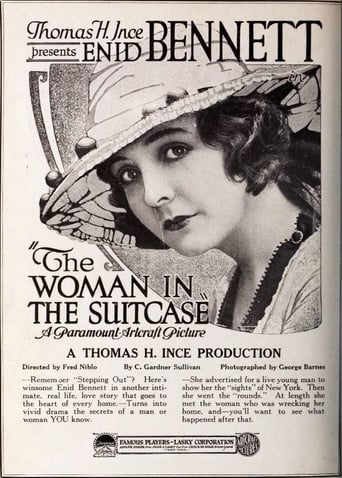
About Enid Bennett
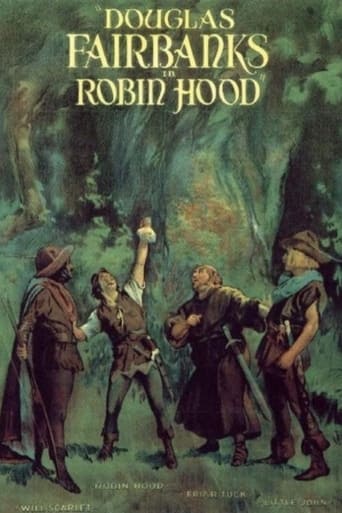
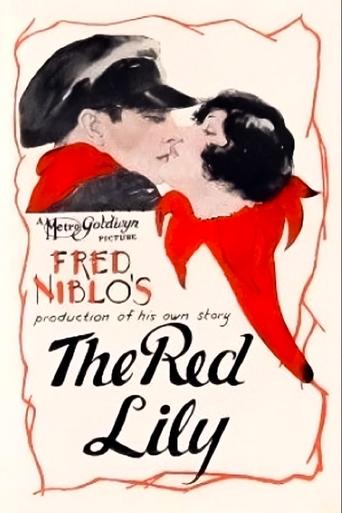
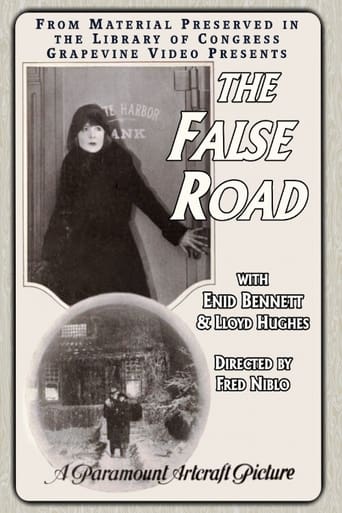
Australian-American actress who became a prominent leading lady during the golden age of silent cinema. Born in York, Western Australia, she began her career on the Australian stage before being discovered by filmmaker Thomas H. Ince, who brought her to Hollywood in 1915. Bennett quickly rose to stardom with Triangle Film Corporation, establishing herself as a versatile performer capable of handling both dramatic and romantic roles. Her career reached its zenith when she was cast as Lady Marian opposite Douglas Fairbanks in the 1922 epic 'Robin Hood,' expensive and ambitious films of its era. Throughout the 1920s, she starred in numerous successful productions for major studios including Paramount and MGM, often appearing in adventure films and romantic dramas. As the film industry transitioned to sound, Bennett's career gradually declined, leading to her retirement from acting in 1928. She spent her later years in California, where she passed away in 1969, leaving behind a legacy as successful Australian actresses of early Hollywood.
The Craft
On Screen
Enid Bennett was known for her natural and expressive acting style that translated well to the silent medium. She possessed a graceful screen presence and could convey complex emotions through subtle facial expressions and body language, avoiding the exaggerated gestures common among some of her contemporaries. Bennett particularly excelled in romantic roles, bringing warmth and authenticity to her performances, while also demonstrating strength and independence in adventure films. Her acting was characterized by its sincerity and emotional depth, making her characters relatable to audiences of the era.
Milestones
- Discovered by Thomas H. Ince and signed with Triangle Film Corporation (1915)
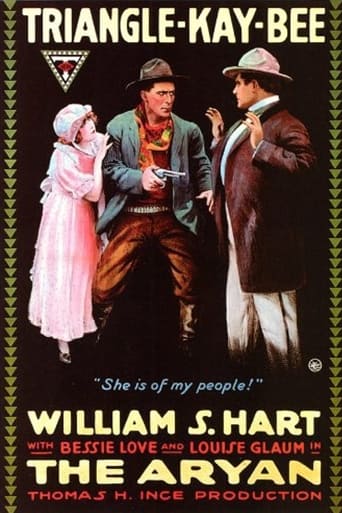
- Breakthrough performance in 'The Aryan' (1916) opposite William S. Hart
- Starred as Lady Marian in Douglas Fairbanks' 'Robin Hood' (1922)
- Leading lady status at Paramount Pictures in early 1920s
- Memorable role in 'The Sea Hawk' (1924) opposite Milton Sills
- Successful transition from supporting actress to leading lady
- Prominent Australian actresses in early Hollywood
Best Known For
Iconic Roles
Must-See Films
Accolades
Special Recognition
- Hollywood Walk of Fame star (Motion Pictures) - 6320 Hollywood Blvd
Working Relationships
Worked Often With
Studios
Why They Matter
Impact on Culture
Enid Bennett played a significant role in breaking barriers for Australian actors in Hollywood, helping pave the way for future performers from Down Under. Her success as a leading lady in major American productions demonstrated that international talent could achieve stardom in Hollywood during the silent era. Bennett's performance in 'Robin Hood' contributed to one of cinema's earliest and most influential adventure epics, helping establish the template for swashbuckling films that would follow. Her career trajectory also reflected the broader challenges faced by silent film actors during the transition to sound cinema, making her story representative of an entire generation of performers whose careers were transformed by technological change.
Lasting Legacy
Enid Bennett's legacy endures through her preserved film performances, particularly her memorable turn as Lady Marian in 'Robin Hood,' which remains. As one of the first Australian actresses to achieve major stardom in Hollywood, she opened doors for performers from her home country and helped internationalize American cinema. Her work with Douglas Fairbanks contributed to the golden age of silent adventure films, and her performances continue to be studied by film historians and enthusiasts. Bennett's career serves as an important reminder of the many talented actors who shaped early cinema but whose names have become less familiar to modern audiences.
Who They Inspired
Bennett influenced subsequent generations of Australian actors seeking careers in Hollywood by demonstrating that international talent could find success in the American film industry. Her natural acting style provided an alternative to the more theatrical performances common in silent cinema, influencing the move toward more subtle screen acting. Her collaborations with major stars and directors helped establish professional relationships that would benefit other performers in the industry. While not as widely remembered as some of her contemporaries, Bennett's successful career during the transition from short films to feature-length productions influenced how studios approached casting and developing leading ladies for adventure and romantic films.
Off Screen
Enid Bennett married film director Sidney Franklin in 1918, though the marriage ended in divorce in 1922. She later married real estate broker Sidney S. Gillett in 1927, with whom she remained until his death in 1968. After retiring from acting, Bennett largely stayed out of the public eye, focusing on her family life and managing her late husband's real estate business. She had no children of her own but was known to be close to her extended family. Bennett spent her final years in Malibu, California, where she lived quietly until her death from natural causes at age 75.
Education
Educated in Western Australia; studied drama and performing arts in her youth before beginning her stage career in Australia.
Family
- Sidney Franklin (1918-1922)
- Sidney S. Gillett (1927-1968)
Did You Know?
- Born in York, Western Australia, and began her career on the Australian stage before moving to Hollywood
- Was discovered by legendary director Thomas H. Ince while performing in Australia
- Her role in 'Robin Hood' (1922) was one of her most famous, though she was not the first choice for Lady Marian
- The film 'Robin Hood' cost over $1 million to make, an enormous budget for its time
- Was one of the few Australian actresses to achieve major stardom in Hollywood during the silent era
- Retired from acting just as sound films were becoming dominant in Hollywood
- After her acting career, she successfully managed a real estate business with her second husband
- Has a star on the Hollywood Walk of Fame for her contributions to motion pictures
- Was known for her athletic abilities, which served her well in adventure and action films
- Her first marriage to director Sidney Franklin ended during her peak career years
In Their Own Words
I found that the best way to act before the camera was to forget the camera was there at all and just live the part.
Coming from Australia to Hollywood was like moving to another planet, but I was determined to make my mark in this new world of cinema.
Working with Douglas Fairbanks was like trying to keep up with a whirlwind of energy - he never stopped moving, even when the cameras weren't rolling.
Frequently Asked Questions
Who was Enid Bennett?
Australian-American actress who became a prominent leading lady in silent films during the 1910s and 1920s. She is best remembered for her role as Lady Marian opposite Douglas Fairbanks in the 1922 epic 'Robin Hood' and was.
What films is Enid Bennett best known for?
Titles linked here include Robin Hood (1922), The Sea Hawk (1924).
When was Enid Bennett born and when did she die?
Born September 15, 1893; died May 28, 1969.
What awards did Enid Bennett win?
While Bennett did not receive major acting awards during her career (the Academy Awards were not established until 1929, near the end of her career), she was honored with a star on the Hollywood Walk of Fame for her contributions to motion pictures. Her recognition came primarily through her popularity with audiences and critical acclaim for her performances.
What was Enid Bennett's acting style?
Bennett was known for her natural and understated acting style, which was refreshing compared to the theatrical gestures common in silent films. She conveyed emotions through subtle facial expressions and body language, excelled in both dramatic and romantic roles, and brought authenticity and warmth to her characters, particularly in adventure films where she demonstrated both grace and strength.