




The Woman in the Suitcase
"Mary Moreland discovers the photograph of a woman not her"
Keys: Space play/pause · ←/→ 10s · F fullscreen · M mute · </> speed
About this film
Mary Moreland discovers the photograph of a woman not her mother in her father's suitcase and sets out to find her in hopes of returning her father to his rightful place in the family.
Cast & crew
More Drama films
View all →






More from Fred Niblo
View all →
More about this film
About the production
Release dateJanuary 1920
ProductionThomas H. Ince Corporation, Paramount Pictures
Filmed inLos Angeles, California, Ince Studio, Culver City, California
The picture was produced during the transitional period when Thomas H. Ince was still a major force in Hollywood before his untimely death in 1924. Director Fred Niblo, who was married to star Enid Bennett, brought a personal touch to the production, leveraging his wife's dramatic talents. The picture was one of several collaborations between Niblo and Bennett during this period, showcasing their professional and personal partnership. The production utilized the then-state-of-the-art facilities at Ince Studio, known for its advanced lighting and camera techniques.
Themes
Family secretsSearch for identityParent-child relationshipsTruth and revelationForgiveness and reconciliation
Themes & topics
lost motherfamily mysteryphotographsuitcasesearchrevelationstepmotherfamily dramaemotional journeysecret past
Historical background
Thomas H. Ince Corporation's 1920 release of The Woman in the Suitcase fit contemporary United States programs that mixed fiction, news, and novelty subjects for repeat weekly attendance.
Why this film matters
Programmers and historians revisit The Woman in the Suitcase (1920) because its story—mary moreland discovers the photograph of a woman not her mother in her father's suitcase and sets out to find her in hopes of returning her father to his rightful place in the family—illustrates popular narrative habits and production norms of the period.
Making of
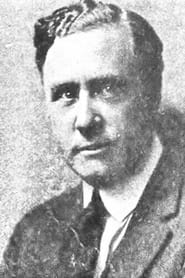
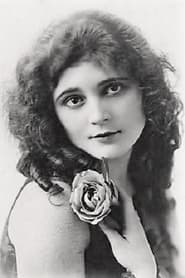
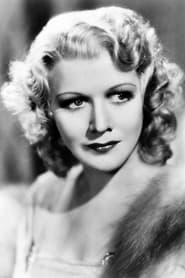
The production of 'The Woman in the Suitcase' took place during a pivotal moment in Hollywood history when studios were consolidating power and standardizing production methods. Fred Niblo, an Australian-born director, was establishing himself as a reliable filmmaker capable of handling melodramatic material with sensitivity. His collaboration with wife Enid Bennett was particularly notable, as their off-screen relationship informed their on-screen working dynamic. the picture's modest budget and runtime reflect the industry's transition away from the feature-length epics of the 1910s toward more concise storytelling. The production team at Ince Studio employed innovative lighting techniques to create mood and atmosphere, particularly in the scenes involving the mysterious photograph and the emotional confrontations. The casting of Rowland V. Lee, who would soon transition to directing, suggests the picture was part of Paramount's talent development program, testing actors in various roles before promoting them to behind-the-camera positions.
What critics said
English-language trade reviews of The Woman in the Suitcase are limited for 1920. Where notices survive, they stress pacing and photographic clarity; later criticism values the title as archival evidence of studio style.
Did you know?
- is considered a lost film, with no complete copies known to exist in any archive or private collection worldwide.
- Star Enid Bennett was married to director Fred Niblo, making this a rare example of a husband-wife creative team in early Hollywood.
- the picture was based on a story by J.G. Hawks, who would later become a prominent screenwriter and director in his own right.
- Rowland V. Lee, who appears in the cast, would later become a successful director, helming films like 'Son of Frankenstein' (1939).
- the picture was part of a slate of productions by the Thomas H. Ince Corporation distributed by Paramount Pictures through their 1919 agreement.
- William Conklin was a veteran character actor who appeared in over 200 films between 1913 and 1935, often playing authority figures.
- the picture's theme of searching for a lost parent was relatively uncommon in silent cinema, making it somewhat progressive for its time.
- The original negative and all known prints were likely destroyed in the 1930s during the industry's transition to sound, when many silent films were deemed worthless.
Visual style
The cinematography for 'The Woman in the Suitcase' was handled by Robert Newhard, who utilized the advanced lighting equipment available at Ince Studio to create mood and atmosphere. the picture employed subtle use of shadow and light to emphasize the emotional states of the characters, particularly in scenes involving the mysterious photograph. Close-ups were used judiciously to highlight emotional revelations, reflecting the evolving cinematic language of the early 1920s. The visual style balanced realism with the heightened emotionality typical of melodrama, using soft focus for romantic moments and sharper focus for scenes of discovery and confrontation. the picture's visual approach contributed to its psychological depth, using visual metaphors such as the suitcase itself as a container of secrets and the photograph as a window to the past.
Innovations
While 'The Woman in the Suitcase' was not a groundbreaking technical film, it benefited from the professionalization of film production occurring in the early 1920s. the picture utilized the advanced electrical lighting systems installed at Ince Studio, allowing for more nuanced visual storytelling than earlier films dependent on natural light. The production employed multiple cameras for certain scenes, a technique becoming more common to ensure coverage and facilitate editing. the picture's editing style shows the influence of continuity editing principles that were becoming standardized in Hollywood, helping to maintain narrative clarity and emotional pacing. The use of intertitles was judicious, relying more on visual storytelling and performance to convey the narrative, reflecting the growing sophistication of silent film techniques.
Music
As a silent film, 'The Woman in the Suitcase' would have been accompanied by live musical performance during its original theatrical run. Theaters typically used compiled scores drawn from classical pieces and popular songs of the era, selected to match the mood of each scene. For emotional scenes, theaters might have used pieces like Chopin's nocturnes or similar romantic compositions. For moments of discovery and tension, more dramatic music would be employed. the picture's distributor, Paramount Pictures, likely provided musical cue sheets to theaters suggesting appropriate musical selections. Some larger theaters might have commissioned original scores from their house composers. the picture's emotional arc would have required careful musical pacing to enhance the narrative without overwhelming the visual storytelling.
Famous quotes
Mary Moreland: 'In this suitcase lies the truth about my past, and perhaps my future.'
Mary Moreland: 'Every family has its secrets, but some secrets should never remain buried.'
Mary Moreland: 'I must find her—not just for myself, but for the father I barely know.'
Memorable scenes
- The pivotal moment when Mary discovers the mysterious photograph in her father's suitcase, her hands trembling as she realizes the woman in the picture is not her mother.
- The emotional confrontation scene where Mary presents the photograph to her father, demanding the truth about her family's past.
- The climactic revelation where all family secrets are exposed, leading to a dramatic resolution that redefines their relationships.
What audiences thought
Audiences in 1920 reportedly responded positively to 'The Woman in the Suitcase,' particularly to Enid Bennett's portrayal of Mary Moreland's emotional journey. the picture's themes of family reconciliation and the search for truth resonated with post-war audiences who valued stories of emotional healing and restored relationships. Box office returns, while not spectacular, were sufficient to deem the production a modest success. the picture's relatively short runtime of 50 minutes made it an attractive option for theater programmers looking for strong supporting features. Contemporary audience letters preserved in trade publications suggest viewers found the story both moving and relatable, with many commenting on the picture's realistic depiction of family dynamics. the picture's release in January 1920 positioned it well for the post-holiday season when audiences sought emotionally engaging narratives.
Film connections
Influenced by
- The influence of Victorian and Edwardian melodrama
- The psychological drama tradition of D.W. Griffith
- Domestic melodramas popular in the 1910s
- Contemporary stage plays about family secrets
This film influenced
- the picture's themes of family secrets would echo in later domestic dramas throughout the 1920s and beyond
Film restoration
the picture is considered lost. No complete copies are known to exist in any film archive or private collection. The Library of Congress, the American Film Institute, and major silent film archives worldwide have confirmed they hold no surviving material. Only fragments of promotional materials and still photographs from the production survive as evidence of the picture's existence.
Where to watch
- Currently unavailable for viewing as the picture is lost. No known surviving copies exist in any archive or collection. Only still photographs and promotional materials remain accessible through film history archives and specialized silent film databases.