
Donald MacDonald
Actor
Born: March 13, 1898 in Denver, Colorado, USA Died: May 31, 1959 Active: 1918-1929
Films
4 films
About Donald MacDonald
American silent film actor who worked primarily in the early 1920s. Born in Denver, Colorado, he entered the film industry during the golden age of silent cinema, appearing in numerous productions between 1918 and 1929. MacDonald typically played supporting roles rather than leading parts, often cast as the reliable friend, business associate, or secondary romantic interest. His most notable performances came in films like 'The Woman in the Suitcase' (1920), 'The Sky Pilot' (1921), and the adaptation of 'Lorna Doone' (1922). Like many character actors of the silent era, his career declined with the advent of sound films, though he did appear in a few early talkies. MacDonald represents the typical journeyman actor of his era - skilled and consistently employed but never achieving major stardom. His filmography, while not extensive, provides a valuable window into the types of supporting performances that helped build the foundation of early Hollywood cinema.
The Craft
On Screen
MacDonald employed a naturalistic acting style for the silent era, avoiding the exaggerated gestures common among many of his contemporaries. His performances were characterized by subtle facial expressions and restrained body language, which translated well to the intimate close-up shots increasingly favored by directors in the 1920s. He had a particular talent for conveying quiet strength and reliability through his screen presence.
Milestones
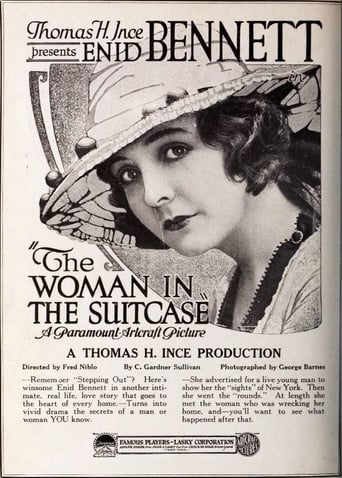
- Appeared in The Woman in the Suitcase (1920)
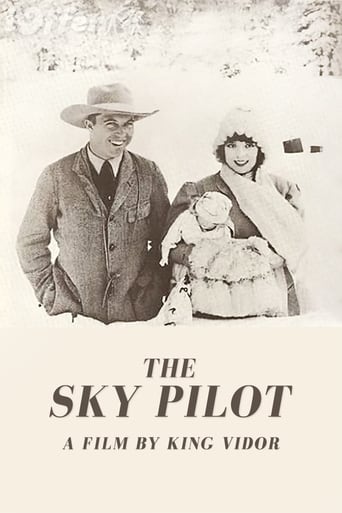
- Starred in The Sky Pilot (1921)
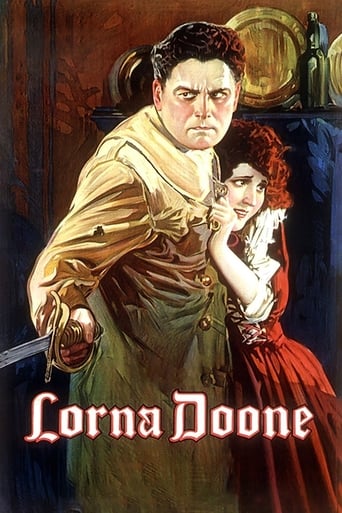
- Featured in Lorna Doone (1922)
- Transitioned from silent films to early talkies
- Worked consistently throughout the 1920s
Best Known For
Iconic Roles
Must-See Films
Working Relationships
Worked Often With
Why They Matter
Impact on Culture
While Donald MacDonald never achieved the cultural significance of leading silent film stars, his contributions to early cinema represent the essential work of character actors who populated the films of the era. His performances in the early 1920s helped establish the conventions of supporting roles in American cinema, particularly in melodramas and literary adaptations. MacDonald's career trajectory also illustrates the challenges faced by many silent film actors with the transition to sound, as his more understated acting style, while effective in silent films, may not have translated as well to the demands of talkies.
Lasting Legacy
Donald MacDonald's legacy lies primarily in his body of work that survives as part of the silent film canon. His performances in films like 'Lorna Doone' and 'The Sky Pilot' serve as examples of the reliable supporting acting that helped make silent films emotionally resonant. While not remembered as a major star, MacDonald represents the thousands of working actors who formed the backbone of Hollywood's studio system during its formative years. His filmography provides valuable insight into the types of roles and performances that characterized American cinema of the early 1920s.
Who They Inspired
As a character actor rather than a star, Donald MacDonald's direct influence on subsequent generations of performers is difficult to trace. However, his naturalistic approach to silent film acting, favoring subtlety over exaggeration, aligned with the evolving tastes of audiences and directors in the 1920s. This more restrained style would become increasingly standard as cinema matured, suggesting that MacDonald and actors like him contributed to the gradual refinement of screen acting techniques during the transition from the theatricality of early film to the naturalism of later eras.
Off Screen
Donald MacDonald led a relatively private life away from the Hollywood spotlight. He married and had children, though details about his family remain scarce due to his status as a supporting actor rather than a major star. After his film career ended in the late 1920s, he appears to have left the entertainment industry entirely. He spent his later years in Los Angeles, where he passed away in 1959 at the age of 61. Like many character actors of his era, his story reflects the transient nature of fame in early Hollywood.
Did You Know?
- Born in Denver, Colorado, far from the Hollywood film centers
- His active years covered the entire decade of the 1920s
- Appeared in the adaptation of the classic novel 'Lorna Doone'
- Worked with director King Baggot on 'The Sky Pilot'
- His film career ended with the transition to sound pictures
- Like many silent actors, his later life remained largely private
- Died in Los Angeles, where he had worked during his film career
- Never achieved leading man status despite his consistent work
- Represented the typical journeyman actor of the silent era
- His exact filmography remains partially undocumented due to lost films
Frequently Asked Questions
Who was Donald MacDonald?
American silent film with credits in this catalog. He appeared in numerous films between 1918 and 1929, typically in supporting roles rather than as a leading man.
What films is Donald MacDonald best known for?
Titles linked here include The Woman in the Suitcase (1920), The Sky Pilot (1921).
When was Donald MacDonald born and when did he die?
Born March 13, 1898; died May 31, 1959.
What awards did Donald MacDonald win?
There are no records of Donald MacDonald receiving major awards or nominations for his film work. As a character actor during the silent era, such recognition was typically reserved for leading performers.
What was Donald MacDonald's acting style?
MacDonald employed a naturalistic acting style for the silent era, avoiding the exaggerated gestures common among many contemporaries. His performances were characterized by subtle facial expressions and restrained body language.
Why did Donald MacDonald's career end in the late 1920s?
Like many silent film actors, MacDonald's career declined with the advent of sound pictures. The transition to talkies was particularly challenging for character actors whose skills were specifically honed for silent performance.
Is Donald MacDonald related to other actors with the same name?
No, Donald MacDonald should not be confused with other actors or directors with similar names. He was specifically the silent film actor born in Colorado who worked in American films during the 1920s.