William Conklin
Actor
Born: December 25, 1872 in Brooklyn, New York, USA Died: March 21, 1958 Active: 1913-1935
Films
5 films

About William Conklin
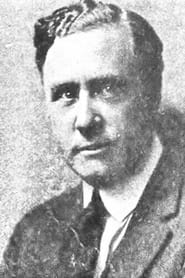
American character actor who flourished during the silent film era, bringing gravitas and authority to supporting roles throughout the 1920s. Born on Christmas Day in 1872, Conklin began his career as a stage actor before transitioning to motion pictures in the mid-1910s. He quickly established himself as a reliable performer in villainous and authoritative roles, often playing businessmen, judges, government officials, and antagonists in both dramatic and comedic productions. His distinctive appearance, with a tall, imposing frame and often sporting a mustache, made him instantly recognizable to audiences of the era. Conklin worked prolifically during the golden age of silent cinema, appearing in numerous productions for major studios including Paramount, Fox, and Universal. While the transition to sound films in the late 1920s proved challenging for many silent-era actors, Conklin managed to continue working, though in increasingly smaller roles. His over two decades in Hollywood, during which he appeared in more than 80 films before retiring from acting in the mid-1930s.
The Craft
On Screen
Conklin was known for his commanding screen presence and ability to portray authority figures with convincing gravitas. His acting style was typical of the silent era, emphasizing expressive facial features and body language to convey emotion and character. He specialized in playing antagonists and stern authority figures, using his tall, imposing physique and often stern facial expressions to create memorable characters. His performances were marked by a certain theatricality, reflecting his stage background, but adapted well to the intimate demands of the camera.
Milestones
- Transitioned from stage to silent films in the mid-1910s
- Appeared in over 80 films during his career
- Worked with major studios including Paramount and Fox
- Successfully navigated the transition from silent to sound films
- Established himself as a reliable character actor in villainous and authoritative roles
Best Known For
Iconic Roles
Must-See Films
Working Relationships
Worked Often With
Studios
Why They Matter
Impact on Culture
William Conklin represents the archetype of the reliable character actor who was essential to the fabric of silent cinema. While never achieving star status, his contributions to over 80 films helped shape the narrative structure of countless productions during Hollywood's formative years. His ability to convincingly portray authority figures and villains provided the necessary dramatic tension in many films of the era, supporting leading actors and driving plot development. Conklin's career trajectory from stage to silent film and successfully into early talkies exemplifies the adaptability required of actors during this revolutionary period in cinema history.
Lasting Legacy
William Conklin's legacy lies in his body of work as a character actor during the golden age of silent cinema. His filmography serves as a valuable record of the types of supporting roles that were crucial to the storytelling techniques of the 1920s. While his name may not be widely recognized today, film historians and silent cinema enthusiasts appreciate his contributions to the medium. His surviving films provide insight into the acting styles and character archetypes that defined early Hollywood, and his career represents the journey of countless working actors who formed the backbone of the film industry during its formative decades.
Who They Inspired
As a character actor, William Conklin's influence was primarily in establishing the template for supporting villainous and authoritative roles in American cinema. His work demonstrated how character actors could elevate films through strong supporting performances, paving the way for future generations of character specialists. His successful transition from stage to film and from silent to sound cinema provided a model for adaptability that other actors could follow during this period of rapid technological change in the industry.
Off Screen
William Conklin was born on Christmas Day in 1872 in Brooklyn, New York. Before entering the film industry, he had a successful career in theater, which helped establish his acting credentials. Details about his personal life, including his family and relationships, are relatively scarce in historical records, which was common for many character actors of his era who did not achieve leading man status. He lived through the dramatic transition from silent films to talkies, adapting his craft to meet the new demands of sound cinema. Conklin spent his later years away from the spotlight after retiring from acting in the mid-1930s.
Did You Know?
- Born on Christmas Day, December 25, 1872
- Began his career as a stage actor before entering films
- Appeared in his first film in 1913, well before his most famous works
- Worked as a character actor for over two decades in Hollywood
- Often typecast as villains or authority figures due to his imposing appearance
- Successfully made the transition from silent films to talkies in the late 1920s
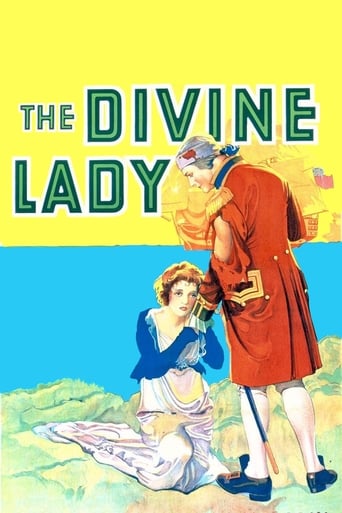
- Appeared in the Academy Award-winning film 'The Divine Lady' (1929)
- His film active years covered the entire silent era and into the early sound period
- Worked with some of the most prominent directors of the silent era
- Retired from acting in 1935 after appearing in over 80 films
Frequently Asked Questions
Who was William Conklin?
American character with credits in this catalog. He appeared in over 80 films, often playing authority figures, villains, and supporting character roles in major productions for studios like Paramount and Fox.
What films is William Conklin best known for?
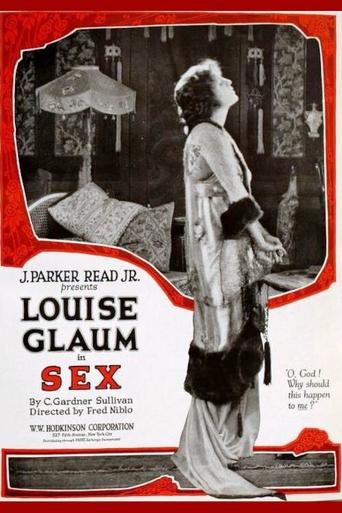
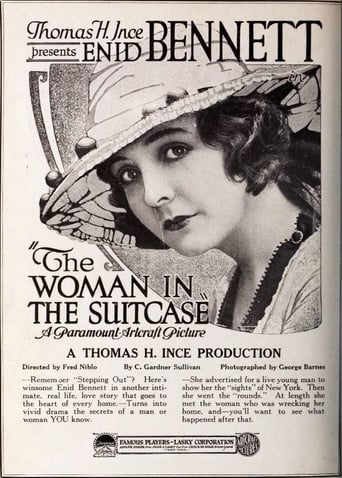
Titles linked here include Sex (1920), The Woman in the Suitcase (1920).
When was William Conklin born and when did he die?
Born December 25, 1872; died March 21, 1958.
What awards did William Conklin win?
There are no recorded major awards or nominations for William Conklin, which was common for character actors of his era who primarily worked in supporting roles. His contributions were recognized through consistent employment rather than formal accolades.
What was William Conklin's acting style?
Conklin's acting style was typical of the silent era, emphasizing expressive facial features and body language. He specialized in portraying authority figures and villains with commanding presence, using his tall, imposing physique and theatrical background to create memorable characters.
How did William Conklin transition from silent to sound films?
Conklin successfully navigated the transition to sound films in the late 1920s, continuing to work in early talkies though often in smaller roles. His stage background likely helped him adapt to the new demands of sound cinema, and he continued acting until 1935.
What was William Conklin's role in early Hollywood?
Conklin served as one of the many reliable character actors who formed the backbone of early Hollywood cinema. While never achieving leading man status, his consistent performances in supporting roles were essential to the success of numerous films during the silent era and early sound period.