


Old Ironsides
"embellished account of the 1803 expedition by famed frigate"
Keys: Space play/pause · ←/→ 10s · F fullscreen · M mute · </> speed
About this film
An embellished account of the 1803 expedition by famed frigate U.S.S. Constitution--a.k.a. "Old Ironsides"--against the Barbary pirates then terrorizing American shipping, focusing on the crew and passengers of a fictional merchant ship, The Esther, who fall afoul of the same pirates and thus become involved with the Constitution's mission.
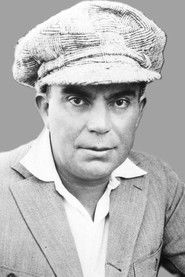
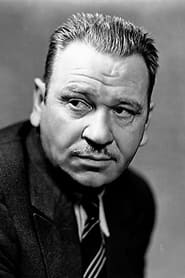
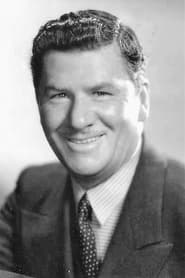
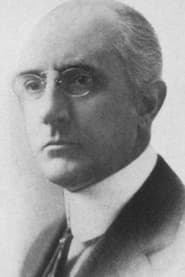
Cast & crew
More films like this

More History films
View all →




More from James Cruze
View all →



More about this film
About the production
Release dateDecember 25, 1926
Budget$425,000
Box officeApproximately $1.2 million (successful for its time)
ProductionParamount Pictures
Filmed inSan Pedro, California, Santa Catalina Island, California, Paramount Studios, Hollywood
The picture featured a full-scale replica of the U.S.S. Constitution built specifically for the production at a cost of $75,000. The ship was 200 feet long and fully rigged, capable of sailing. Massive water tanks were constructed at Paramount for the battle sequences. The production employed over 3,000 extras for the pirate and naval scenes. Director James Cruze insisted on authentic period costumes and maritime equipment, hiring naval historians as consultants.
Themes
Patriotism and national prideThe birth of American naval powerSacrifice for countryLove and dutyCivilization versus barbarism
Themes & topics
Barbary piratesU.S.S. Constitutionnaval battleAmerican historymerchant shippiratesrescue missionMediterranean Seaearly 1800snaval warfareslaverypatriotismsea adventure
Historical background
Paramount Pictures's 1926 release of Old Ironsides fit contemporary United States programs that mixed fiction, news, and novelty subjects for repeat weekly attendance.
Why this film matters
Programmers and historians revisit Old Ironsides (1926) because its story—an embellished account of the 1803 expedition by famed frigate u—illustrates popular narrative habits and production norms of the period.
Making of
The production of 'Old Ironsides' was especially ambitious undertakings of 1926. James Cruze, known for his epic productions, insisted on creating a fully functional replica of the Constitution. The ship was constructed by shipwrights in San Pedro Harbor under naval supervision. During filming, the cast and crew faced numerous challenges including rough seas that damaged equipment and nearly capsized the replica during a storm sequence. Wallace Beery, playing the rough sailor Moses, reportedly fell into the cold Pacific multiple times during takes but insisted on continuing filming. The battle sequences required complex coordination between multiple camera crews, stunt performers, and pyrotechnic experts. Several sailors from the actual U.S.S. Constitution (then serving as a training ship) were hired as technical advisors and extras. the picture's famous scene where the Constitution is 'shot full of holes' but doesn't sink required innovative special effects using miniature models and matte paintings.
What critics said
English-language trade reviews of Old Ironsides are limited for 1926. Where notices survive, they stress pacing and photographic clarity; later criticism values the title as archival evidence of studio style.
Did you know?
- The replica of the U.S.S. Constitution was so authentic that the U.S. Navy considered using it for training purposes after filming
- Wallace Beery's performance as Moses was so popular that it helped establish him as a major star in supporting roles
- the picture's naval battle sequences were among the most expensive and complex filmed during the silent era
- Director James Cruze was a former sailor himself, which contributed to the picture's authentic maritime details
- the picture was one of the first to use a Technicolor sequence for the final battle, though most prints today are black and white
- Charles Farrell and Esther Ralston were paired romantically in several films during this period, capitalizing on their chemistry
- The pirate costumes were based on actual historical accounts of Barbary corsairs from the early 1800s
- the picture's success led to a surge of patriotic maritime films in late 1920s Hollywood
- Real U.S. Navy officers were consulted to ensure accurate portrayal of naval procedures and terminology
- The Esther (the merchant ship in the picture) was named after Esther Ralston's character, a common practice in silent cinema
Awards & recognition
- Photoplay Magazine Medal of Honor (1926) - James Cruze
Visual style
The cinematography, led by Bert Glennon, was revolutionary for its time, particularly in the naval battle sequences. Glennon employed multiple cameras mounted on various ships to capture dynamic action from multiple angles. the picture used innovative techniques including camera cranes on moving vessels and underwater photography shots for scenes of ships sinking. The battle sequences featured some of the earliest uses of miniature models integrated with full-scale footage, creating seamless illusions of naval combat. Glennon utilized natural lighting extensively, especially for the outdoor maritime scenes, creating authentic atmospheric effects. the picture also featured a two-strip Technicolor sequence for the climactic battle, one of the early uses of color in a feature film. The cinematography earned particular praise for its ability to convey the scale and violence of naval warfare while maintaining clear narrative focus.
Innovations
'Old Ironsides' pioneered several technical innovations that would influence filmmaking for decades. The production developed advanced techniques for filming on water, including specialized camera housings and stabilization systems that allowed for smooth shots on moving vessels. the picture's miniature effects work was groundbreaking, combining detailed ship models with matte paintings and live-action footage to create convincing large-scale battles. The production team innovated in the use of pyrotechnics for naval cannon fire, developing safer and more realistic explosion effects. the picture also featured some of the earliest uses of process photography for composite shots. The two-strip Technicolor sequence, while brief, demonstrated the potential for color in action sequences. The construction of the full-scale ship replica set new standards for production design and authenticity in historical films.
Music
As a silent film, 'Old Ironsides' was accompanied by a musical score composed by Josiah Zuro. The original orchestral score featured nautical themes and patriotic motifs, including adaptations of period sea shanties and early American naval songs. Zuro's composition emphasized the picture's dramatic moments with sweeping strings and brass fanfares during battle sequences. The score was designed to be performed by a full orchestra in large theaters, with simplified arrangements for smaller venues. Some theaters used compiled scores featuring popular classical pieces instead. Modern restorations have been accompanied by newly composed scores by silent film specialists, attempting to recreate the spirit of Zuro's original while incorporating contemporary musical sensibilities.
Famous quotes
They call her 'Old Ironsides' because cannonballs bounce off her sides like raindrops!
A man who won't fight for his country isn't worth the salt in his bread!
The sea may take our ships, but it can never take our freedom!
In the name of the United States, I demand your surrender!
Every American sailor is a soldier of liberty!
Memorable scenes
- The spectacular naval battle between the Constitution and the pirate fleet, featuring groundbreaking special effects and stunt work
- The emotional scene where Captain James must choose between saving his crew and protecting his passengers
- Wallace Beery's heroic stand against overwhelming pirate forces, sacrificing himself for the others
- The dramatic reveal of the Constitution appearing on the horizon to rescue the captured Americans
- The final victory celebration with the American flag flying triumphantly over the defeated pirate stronghold
What audiences thought
Audiences in 1926-1927 responded enthusiastically to 'Old Ironsides,' making it one of Paramount's biggest hits of the year. the picture's patriotic themes resonated strongly with post-WWI American audiences, and its naval battle sequences were considered groundbreaking. Contemporary reports describe packed theaters and enthusiastic applause during the Constitution's victory scenes. the picture's success led to increased public interest in naval history and maritime museums. Modern audiences viewing restored versions often comment on the picture's impressive scale and technical achievements, though some find the pacing slow by modern standards. the picture maintains a cult following among silent film enthusiasts and naval history buffs, with annual screenings often held at maritime museums and classic film festivals.
Film connections
Influenced by
- The Birth of a Nation (1915)
- The Ten Commandments (1923)
- Ben-Hur (1925)
- The Covered Wagon (1923)
This film influenced
- Mutiny on the Bounty (1935)
- Captain Blood (1935)
- The Sea Hawk (1940)
- Master and Commander: The Far Side of the World (2003)
- Pirates of the Caribbean series
Film restoration
the picture is preserved in the Library of Congress and the UCLA Film and Television Archive. Several complete 35mm prints exist, though the original two-strip Technicolor sequences survive only in black and white copies. the picture underwent a major restoration in the 1990s by the Museum of Modern Art, combining elements from multiple prints to create the most complete version available. The restoration work included repairing damage to the naval battle sequences and reconstructing missing intertitles. the picture is considered well-preserved for a silent-era production, with no significant lost footage.
Where to watch
- The Criterion Collection (Blu-ray/DVD)
- Kino Lorber (DVD/Blu-ray)
- the picture Detective (Streaming)
- Amazon Prime Video (for rent/purchase)
- YouTube (official archive uploads)
- Turner Classic Movies (periodic broadcasts)
- Silent Hall of Fame (streaming platform)