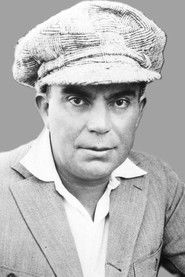
James Cruze
Actor & Director
Born: March 27, 1884 in Ogden, Utah, United States Died: August 3, 1942 Active: 1912-1939 Birth Name: Jens Vera Cruz Bosen
Films
14 films

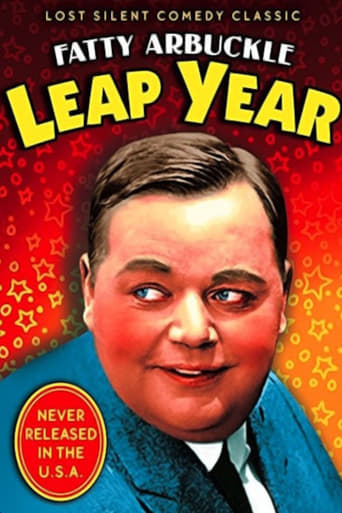
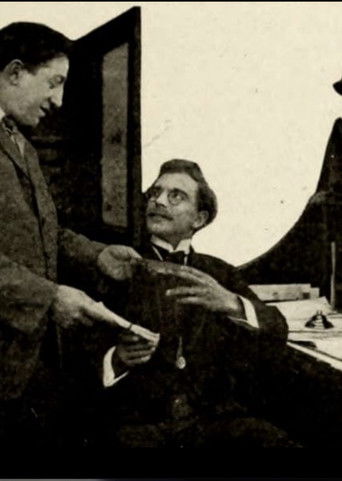
About James Cruze
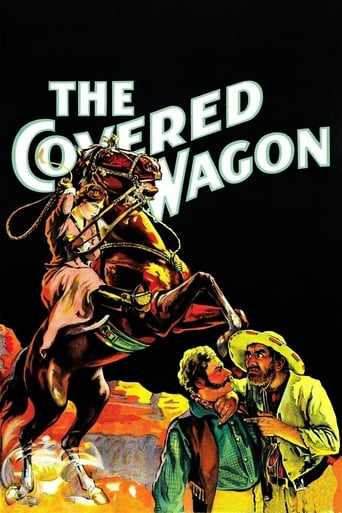
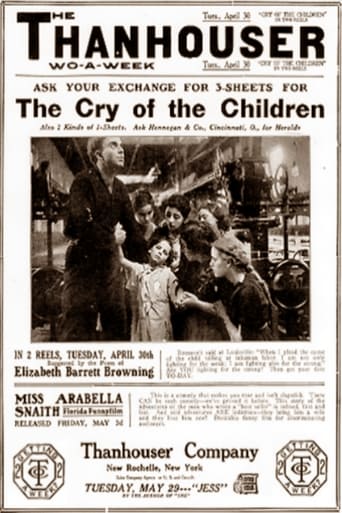
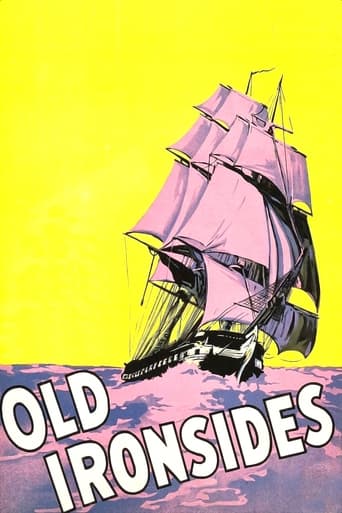
James Cruze, born Jens Vera Cruz Bosen, was an American filmmaker who transitioned from successful silent film actor to one of Hollywood's most respected directors during the 1910s and 1920s. Beginning his career as an actor in 1912, he appeared in numerous D.W. Griffith films including 'The Cry of the Children' (1912) before moving behind the camera as a director around 1917. Cruze achieved his greatest success with epic productions like 'The Covered Wagon' (1923), which revolutionized the Western genre and became profitable films of its era, earning over $3.8 million at the box office. Throughout the 1920s, he directed numerous successful films including 'The Pony Express' (1925), 'Old Ironsides' (1926), and 'The Great K&A Train Robbery' (1926), establishing himself excelled in large-scale productions and outdoor location shooting. His career declined with the advent of sound, and by the early 1930s he was relegated to directing B-movies before his final film in 1939. Despite his later career struggles, Cruze's influence on American cinema, particularly in establishing the Western as a serious genre, remains significant to this day.
The Craft
On Screen
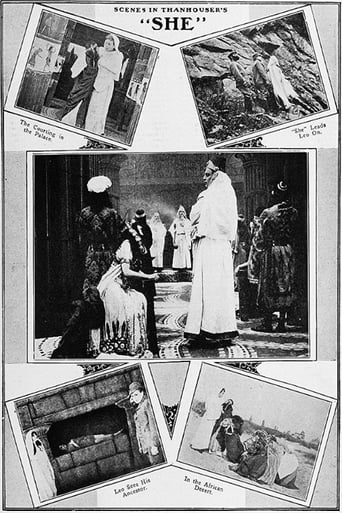
As an actor during the early silent era, Cruze employed the exaggerated gestures and dramatic facial expressions typical of the period, appearing in numerous melodramas and shorts for studios like Biograph and Thanhouser. His performances were characterized by intense emotional delivery and physical expressiveness suited to the technical limitations of early cinema.
Behind the Camera
Cruze was known for his ambitious scope and technical innovation, particularly in outdoor location shooting and large-scale action sequences. He pioneered techniques for filming in challenging environments, as demonstrated in 'The Covered Wagon' where he shot on location in Utah and Nevada with hundreds of extras. His directing style emphasized visual spectacle while maintaining narrative clarity, and he was particularly skilled at orchestrating complex action scenes and creating authentic period atmospheres.
Milestones
- Transitioned from actor to successful director in 1917
- Directed 'The Covered Wagon' (1923), which grossed over $3.8 million
- Pioneered location shooting for large-scale productions
- Established the Western as a serious film genre
- Directed over 70 films during his career
Best Known For
Iconic Roles
Must-See Films
Accolades
Won
- Academy Award nomination for Best Director (1929) for 'The Godless Girl'
Nominated
- Academy Award nomination for Best Director at the 1st Academy Awards for 'The Godless Girl' (1929)
Special Recognition
- Hollywood Walk of Fame star (located at 6801 Hollywood Boulevard)
- Recognized by film historians as a pioneer of the Western genre
Working Relationships
Worked Often With
Studios
Why They Matter
Impact on Culture
James Cruze's greatest cultural impact was transforming the Western from a low-budget genre into respectable epic entertainment. 'The Covered Wagon' (1923) not only became a massive commercial success but also elevated public perception of Western films, paving the way for future classics. His location shooting techniques and ability to orchestrate large-scale productions influenced an entire generation of filmmakers. Cruze's films helped establish many of the conventions that would become standard in Western cinema, including the emphasis on historical authenticity, sweeping landscapes, and the portrayal of westward expansion as a national epic.
Lasting Legacy
James Cruze's legacy lies primarily in his role as a pioneer of American epic filmmaking and his contribution to establishing the Western as a major genre. Despite being largely forgotten by mainstream audiences today, film historians recognize 'The Covered Wagon' as a landmark achievement that changed the course of American cinema. His technical innovations in location shooting and large-scale production management influenced directors like John Ford and Cecil B. DeMille. Cruze represents the archetype of the ambitious silent-era director who shaped Hollywood's golden age but was unable to successfully transition to sound, a common fate for many of his contemporaries.
Who They Inspired
Cruze's influence on Western filmmaking cannot be overstated; his success with 'The Covered Wagon' proved that Westerns could be both critically acclaimed and commercially successful on an epic scale. His techniques for outdoor cinematography and handling of large casts influenced directors like John Ford, who would later perfect many of the conventions Cruze helped establish. The emphasis on historical authenticity and the portrayal of American expansionism as mythic storytelling became hallmarks of the genre that Cruze pioneered. His work also demonstrated the commercial viability of location shooting, encouraging studios to invest in more ambitious productions outside the studio system.
Off Screen
James Cruze had a turbulent personal life marked by multiple marriages and financial difficulties. He was known for his lavish lifestyle during his successful years, which included expensive automobiles and a luxurious mansion in Hollywood. His later years were marked by declining health and financial struggles, and he died of heart disease at age 58 in Hollywood. Despite his professional success, Cruze remained somewhat reclusive in his personal life and rarely gave interviews about his work.
Education
Limited formal education; left school early to work in various jobs including as a railroad worker before entering the film industry
Family
- Ruth Schoonfield (1913-1920)
- Betty Compson (1925-1930)
- Alberta McCoy (1931-1942, until his death)
Did You Know?
- His birth name was Jens Vera Cruz Bosen, named after the Battle of Vera Cruz
- He changed his name to James Cruze because his original name was too difficult for audiences to pronounce
- During the filming of 'The Covered Wagon', he shot on location for five months in Utah and Nevada with a cast and crew of over 1,000 people
- The covered wagon from his most famous film was displayed at Grauman's Chinese Theatre as a promotional attraction
- He was one of the highest-paid directors in Hollywood during the 1920s, earning over $3,000 per week
- His film 'Old Ironsides' (1926) was
- He was one of the founding members of the Academy of Motion Picture Arts and Sciences in 1927
- Despite his success, he lost most of his fortune in the 1929 stock market crash
- His marriage to actress Betty Compson was one of Hollywood's most publicized relationships of the 1920s
- He directed over 70 films but only about 30 survive in complete form today
In Their Own Words
The picture business is like a horse race. You can't win unless you take a chance.
I don't make pictures for the critics. I make them for the people who pay their money to see them.
Location shooting is the only way to get the real feel of the West. You can't fake nature.
A good Western isn't just about cowboys and Indians. It's about the spirit of America.
Frequently Asked Questions
Who was James Cruze?
American filmmaker who began as a silent film actor in 1912 before becoming one of Hollywood's most successful on YTB.my. He is best known for directing epic films, particularly Westerns like 'The Covered Wagon' (1923), which helped establish the Western as a major film genre.
What films is James Cruze best known for?
Titles linked here include The Covered Wagon (1923), The Pony Express (1925).
When was James Cruze born and when did he die?
Born March 27, 1884; died August 3, 1942.
What awards did James Cruze win?
James Cruze received an Academy Award nomination for Best Director at the inaugural Academy Awards in 1929 for 'The Godless Girl'. He also received a star on the Hollywood Walk of Fame and is recognized by film historians as a pioneer of American cinema, particularly the Western genre.
What was James Cruze's directing style?
Cruze was known for his ambitious scope, technical innovation, and mastery of large-scale productions. He pioneered location shooting techniques for outdoor scenes and excelled at orchestrating complex action sequences. His style emphasized visual spectacle while maintaining narrative clarity, particularly in his epic Westerns that emphasized historical authenticity and sweeping landscapes.
How did James Cruze influence the Western genre?
Cruze transformed the Western from a low-budget genre into respectable epic entertainment with 'The Covered Wagon'. The film's massive success proved that Westerns could be both critically acclaimed and commercially viable, paving the way for future classics. His techniques for location shooting and historical authenticity established conventions that would define the genre for decades.
Why did James Cruze's career decline?
Cruze's career declined with the advent of sound films in the late 1920s. Like many silent-era directors, he struggled to adapt to the new technology and changing audience preferences. Financial losses from the 1929 stock market crash and his inability to secure major directing assignments in the sound era led to his working on B-movies until his retirement in 1939.