


The Valley of the Giants
"Wallace Reid stars in this Peter B"
Keys: Space play/pause · ←/→ 10s · F fullscreen · M mute · </> speed
About this film
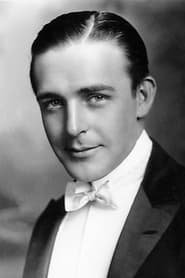
Wallace Reid stars in this Peter B. Kyne story set in the Northwoods. Kyne's stories were quite popular in the silent era along with Rex Beach, Jack London, Bret Hart and others.
Cast & crew
More films like this

More Drama films
View all →







More from James Cruze
View all →



More about this film
About the production
Release dateJune 1, 1919
Box officeSuccessful - considered a hit for Paramount and one of Wallace Reid's most popular films of 1919
ProductionFamous Players-Lasky Corporation, Paramount Pictures
Filmed inCalifornia redwood forests, Eureka, California, San Francisco Bay Area
The film was notable for its on-location shooting in actual redwood forests, which was unusual and challenging for 1919. The production had to transport heavy camera equipment and crew into remote forest locations. The logging sequences required real lumberjacks and authentic equipment, adding to the film's realism. Director James Cruze insisted on using actual fallen redwoods for many scenes to achieve maximum visual impact.
Themes
Man vs. NatureIndustrial Progress vs. ConservationFamily LoyaltyLove Across DividesEngineering Triumph
Themes & topics
loggingredwood treesrailroad constructionrival companiesforestengineerromancesabotagefamily businessCalifornia
Historical background
The Valley of the Giants (1919) emerged during the silent-film era. Wallace Reid stars in this Peter B. Archival records and catalog entries help place the work within film-history surveys of the period.
Why this film matters
Preserved under Wikidata ID Q3989816, The Valley of the Giants is valued as a screen drama within catalog and archive collections. Wikipedia's "The Valley of the Giants (1919 film)" entry connect it to broader histories of cinema exhibition and restoration.
Making of
The production faced significant challenges filming in the remote redwood forests of Northern California. The crew had to build temporary roads to transport camera equipment into the dense forest locations. Wallace Reid performed many of his own stunts, including scenes involving the dangerous logging operations. The film's authenticity was enhanced by the decision to film during actual logging operations, capturing real lumberjacks at work. Director James Cruze was known for his meticulous attention to detail and insisted on using natural lighting whenever possible, which was technically difficult in the deep forest canopy. The romantic scenes between Reid and Darmond were carefully choreographed to contrast with the rugged, masculine world of the loggers, creating a compelling visual and narrative tension throughout the film.
What critics said
Trade and archival sources offer limited day-one review coverage for The Valley of the Giants. Modern reception rests on its availability in collections, repertory screenings, and reference works that document 1919 cinema.
Did you know?
- Based on the popular 1918 novel 'The Valley of the Giants' by Peter B. Kyne, which was serialized in The Saturday Evening Post
- Wallace Reid was one of the biggest stars of the era, known as 'The Screen's Most Perfect Lover'
- The film was remade in 1938 with Charles Bickford and Jean Parker, but the 1919 version is considered superior by many film historians
- Real lumberjacks were hired as extras and consultants to ensure authenticity in the logging sequences
- The massive redwood trees shown in the film were actual ancient trees, some over 2,000 years old
- Director James Cruze would later direct the epic Western 'The Covered Wagon' (1923), revolutionizing location filming
- The film's success helped establish the 'man vs. nature' genre in Hollywood cinema
- Grace Darmond was a popular actress of the 1910s who retired from films shortly after this production
- The railroad construction sequences were filmed using actual narrow-gauge trains and tracks
- The film was one of the first to use the majestic California redwood forests as a primary setting, showcasing their grandeur to nationwide audiences
Visual style
The cinematography by Karl Brown was groundbreaking for its time, featuring sweeping shots of the massive redwood forests that emphasized their scale and majesty. Brown used innovative camera techniques including early forms of crane shots to capture the height of the trees and panoramic views of the logging operations. The film employed natural lighting to dramatic effect, particularly in the deep forest scenes where shafts of sunlight filtering through the canopy created a cathedral-like atmosphere. The action sequences, particularly the logging and railroad construction scenes, used dynamic camera movement that was unusual for 1919. Brown's work on this film helped establish techniques for outdoor cinematography that would influence filmmakers throughout the 1920s.
Innovations
The film was notable for its extensive location photography in challenging forest environments, which required innovative solutions for transporting and operating heavy camera equipment. The production used early forms of camera movement to capture the scale of the redwoods, including techniques that would later evolve into crane shots. The logging sequences required careful coordination between the film crew and actual lumberjacks to ensure safety while capturing authentic action. The railroad construction scenes featured real narrow-gauge trains and authentic engineering equipment, adding to the film's realism. The film's success demonstrated the commercial and artistic potential of location filming, influencing Hollywood's production methods throughout the 1920s.
Music
As a silent film, 'The Valley of the Giants' would have been accompanied by live musical performance in theaters. The original cue sheets suggested orchestral arrangements that emphasized the grandeur of the redwood forests with sweeping string sections, while the action sequences called for more percussive, dramatic scoring. The romantic scenes were typically accompanied by tender piano or violin melodies. Paramount likely provided theaters with compiled scores that included classical pieces and popular songs of the era. The music was designed to enhance the emotional impact of key scenes, particularly the confrontation between the rival logging companies and the romantic moments between the leads.
Famous quotes
These giants have stood here for two thousand years. Who are we to challenge them?
The railroad will bring progress, Bryce, but at what cost to the valley?
Love knows no boundaries, not even those drawn by competing sawmills.
Memorable scenes
- The dramatic sequence where Wallace Reid's character races against time to complete the railroad bridge before the rival company can destroy it, with actual logging trains and equipment creating a thrilling chase through the redwood forest.
What audiences thought
The film was a box office success upon its release, particularly popular in the Western states where logging was a major industry. Audiences were captivated by the spectacular redwood forest sequences, which many had never seen on screen before. Wallace Reid's fan following ensured strong attendance, with many theaters reporting sold-out shows. The romantic subplot appealed to female audiences, while the action and logging sequences attracted male viewers. The film's success led to increased demand for outdoor adventure films and helped establish the commercial viability of location-based productions. Contemporary newspaper accounts indicate that audiences were particularly impressed by the scale of the production and the authentic depiction of logging operations.
Film connections
Influenced by
- Peter B. Kyne's novel
- Contemporary logging industry practices
- Post-WWI industrial expansion narratives
- Western frontier mythology
This film influenced
- The Valley of the Giants (1938 remake)
- The Covered Wagon (1923)
- The Big Trail (1930)
- Giant (1956)
- Sometimes a Great Notion (1971)
Film restoration
The film is partially preserved with some reels missing or damaged. The Library of Congress holds an incomplete copy, and portions have been restored by film archives. Some key sequences survive in good condition, particularly the redwood forest scenes, but other parts remain lost or exist only in fragmentary form.
Where to watch
- Available through select film archives and special screenings
- Some segments can be found on YouTube and Internet Archive
- Available on DVD through specialty silent film distributors
- Screened occasionally at classic film festivals and museum retrospectives