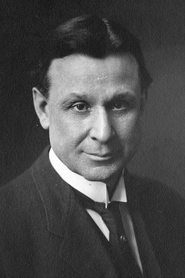
Charles Ogle
Actor
Born: June 5, 1865 in Steubenville, Ohio, USA Died: October 11, 1940 Active: 1910-1924 Birth Name: Charles Stanton Ogle
Films
16 films
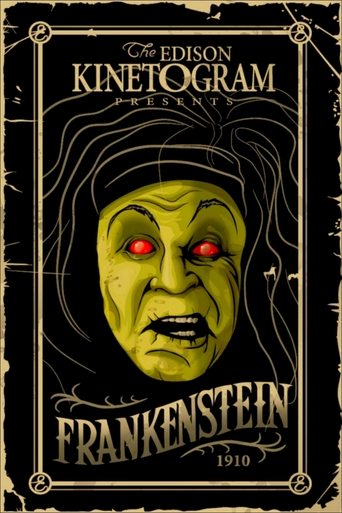
Frankenstein
1910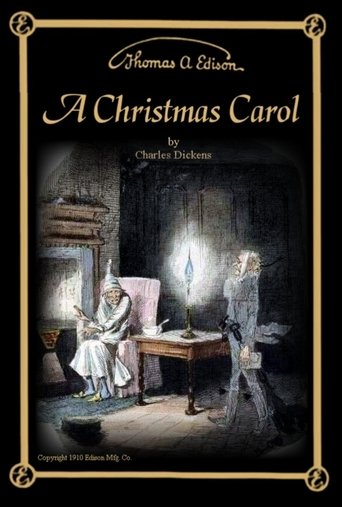
A Christmas Carol
1910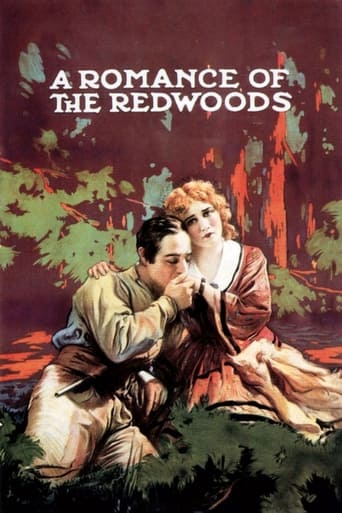
A Romance of the Redwoods
1917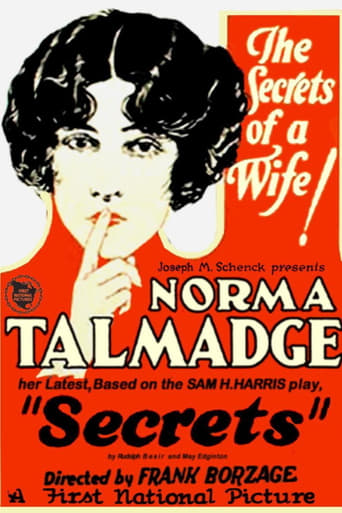
Secrets
1924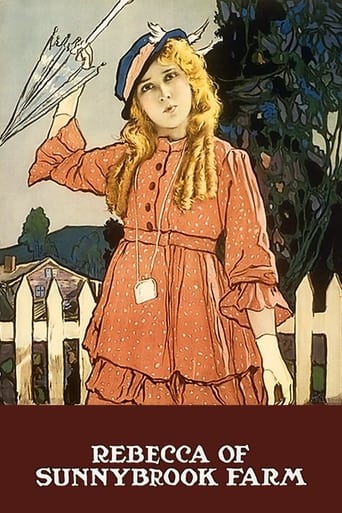
Rebecca of Sunnybrook Farm
1917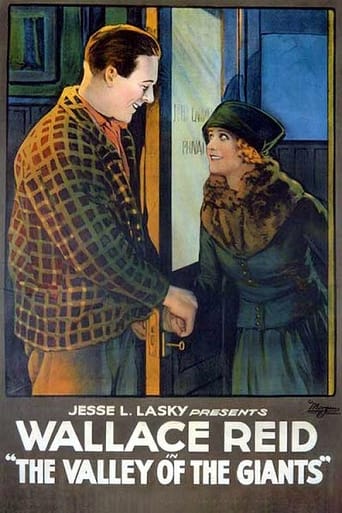
The Valley of the Giants
1919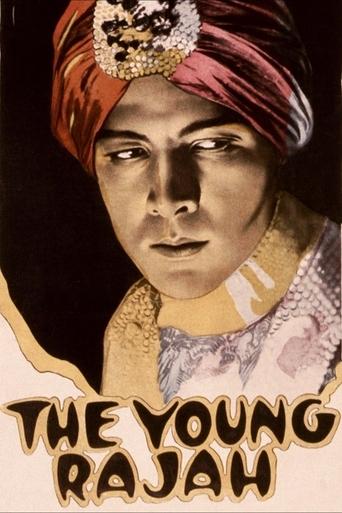
The Young Rajah
1922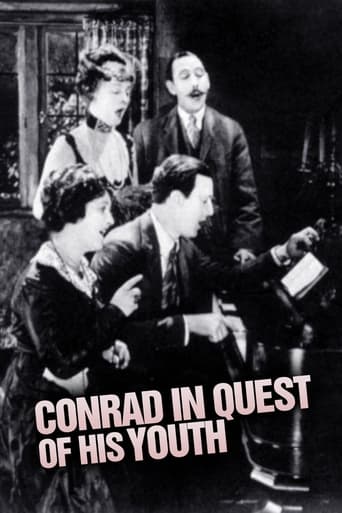
Conrad in Quest of His Youth
1920
Miss Lulu Bett
1921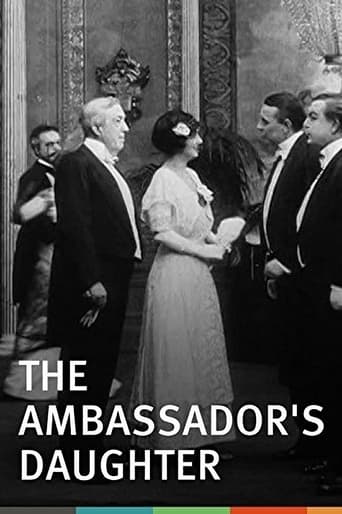
The Ambassador's Daughter
1913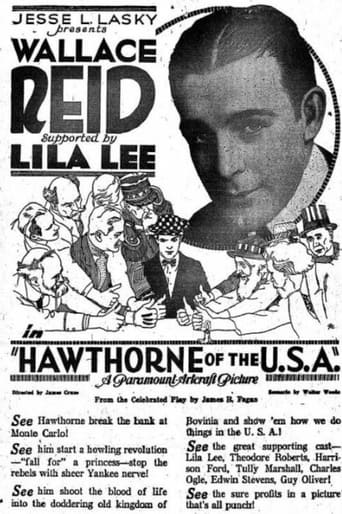
Hawthorne of the U.S.A.
1919
The Usurer's Grip
1912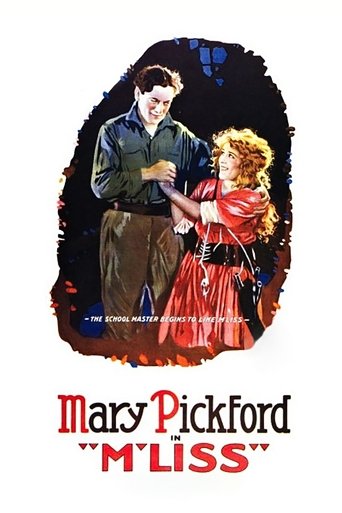
M'Liss
1918
The Totville Eye
1912
The Secret Game
1917About Charles Ogle
Charles Stanton Ogle — American actor of the silent film era who began his career on the stage before transitioning to motion pictures in the early 1910s. He made his film debut with Edison Studios and quickly became prolific character actors of his time, appearing in over 300 films between 1910 and 1924. Ogle achieved cinematic immortality by portraying the first screen adaptation of Frankenstein's Monster in the 1910 Edison film, a role that established visual conventions for horror cinema that would influence generations of filmmakers. Throughout his career, he worked with major studios including Edison, Biograph, and Paramount, often playing authoritative figures, villains, and character roles. His stage background provided him with the dramatic presence needed for the exaggerated acting style required in silent films. Ogle continued working steadily through the 1910s and early 1920s, adapting to the evolving film industry before retiring from acting in 1924. He spent his final years in Long Beach, California, leaving behind a legacy as one of cinema's earliest and most recognizable character actors.
The Craft
On Screen
Ogle employed the theatrical, exaggerated acting style typical of the silent era, using broad gestures and expressive facial features to convey emotion without dialogue. His stage training gave him a commanding presence that translated well to the screen, particularly in authoritative or menacing roles. He had a distinctive appearance with a strong jawline and intense eyes that made him particularly effective in villainous or monstrous roles. Ogle's physicality and ability to create memorable characters through movement and expression made him a valuable character actor in the early film industry.
Milestones
- First actor to portray Frankenstein's Monster on screen (1910)
- Prolific character actor with over 300 film appearances
- Successful transition from stage to silent film
- Worked with directors including D.W. Griffith
- Established visual conventions for horror cinema
- Long-term contract player with Edison Studios
Best Known For
Iconic Roles
Must-See Films
Accolades
Special Recognition
- actor in horror cinema history
- Recognized as the first Frankenstein's Monster in film
Working Relationships
Worked Often With
Studios
Why They Matter
Impact on Culture
Charles Ogle's portrayal of Frankenstein's Monster in 1910 created the first visual template for one of cinema's most iconic horror characters. His interpretation, featuring a wild hair, bolted neck, and lumbering movements, established conventions that would be refined and referenced by subsequent actors including Boris Karloff. Ogle's performance demonstrated the potential of horror as a film genre during cinema's infancy, helping to establish visual storytelling techniques for creating fear and suspense on screen. His work contributed to the development of character acting in silent films, showing how distinctive physical appearances and mannerisms could create memorable characters without dialogue.
Lasting Legacy
Charles Ogle is remembered as a foundational figure in horror cinema history and a representative of the transition from stage to film acting in the early 20th century. His Frankenstein Monster remains historically significant as the first screen adaptation of Mary Shelley's creation, making him an essential reference point in film studies of the horror genre. As. His career trajectory from stage performer to film star exemplifies the opportunities and challenges faced by actors during the rapid evolution of the motion picture industry.
Who They Inspired
Ogle's physical interpretation of Frankenstein's Monster influenced the visual design of the character in subsequent adaptations, establishing key elements that would become staples of horror iconography. His work demonstrated to early filmmakers the effectiveness of makeup and costume in creating memorable monsters, influencing the development of special effects and makeup artistry in cinema. As an early character actor, he helped establish the importance of distinctive supporting performances in film storytelling, paving the way for future generations of character actors. His successful transition from theater to film provided a model for other stage actors seeking to adapt their skills to the new medium of motion pictures.
Off Screen
Charles Ogle married actress Effie Shannon in 1905, and the couple remained together until his death in 1940. They had no children together but were known as one of the stable, respected couples of the early film industry. Ogle was known for his professionalism and reliability on set, traits that contributed to his long and successful career. After retiring from acting in 1924, he lived a quiet life in Long Beach, California, occasionally appearing at film retrospectives and industry events. He maintained friendships with many of his former colleagues from the silent era and was respected as one of the surviving pioneers of early cinema.
Education
Limited formal education; primarily trained through theater experience and apprenticeships in stock companies
Family
- Effie Shannon (1905-1940)
Did You Know?
- Was the first actor to portray Frankenstein's Monster on screen in 1910
- Appeared in over 300 films during his 14-year film career
- His Frankenstein Monster makeup was created by James Williamson and took hours to apply
- The 1910 Frankenstein film was only 16 minutes long but was considered shocking for its time
- Ogle was 45 years old when he played Frankenstein's Monster, making him one of the older actors to portray the character
- His wife Effie Shannon was also a successful actress and they sometimes appeared together in films
- Ogle began his career in theater and was already an established stage actor when he entered films
- He worked with some of the most important early film directors including D.W. Griffith
- The 1910 Frankenstein film was thought lost for decades before a copy was discovered in the 1970s
- Ogle's Monster design included wild hair, heavy eyebrows, and a bolted neck, elements that would influence later versions
In Their Own Words
(On playing Frankenstein's Monster) 'The challenge was to create terror without the benefit of sound. Every gesture, every expression had to convey the horror of the character.'
The stage teaches you to project emotion to the back row, but in film, the camera sees everything. You must learn to control even the smallest movement.'
Frequently Asked Questions
Who was Charles Ogle?
Screen credits include over 300 films between 1910 and 1924. He is best known for being the first actor to portray Frankenstein's Monster on screen in the 1910 Edison film adaptation, creating the visual template for one of cinema's most iconic horror characters.
What films is Charles Ogle best known for?
Titles linked here include Frankenstein (1910), A Christmas Carol (1910).
When was Charles Ogle born and when did he die?
Born June 5, 1865; died October 11, 1940.
What awards did Charles Ogle win?
Charles Ogle did not receive formal awards during his career, as the Academy Awards were not established until 1929, after he had retired from acting. However, he is recognized today for his contributions to horror cinema and as the first actor to portray Frankenstein's Monster on screen, earning him a permanent place in film history.
What was Charles Ogle's acting style?
Ogle employed the theatrical, exaggerated acting style typical of the silent era, using broad gestures and expressive facial features to convey emotion without dialogue. His stage background gave him a commanding presence that was particularly effective in villainous or authoritative roles, and his physicality helped create memorable characters through movement and expression.
How did Charles Ogle influence horror cinema?
Ogle's portrayal of Frankenstein's Monster established the first visual template for one of cinema's most iconic horror characters. His interpretation, featuring wild hair, a bolted neck, and lumbering movements, created conventions that would be refined by subsequent actors and influenced the visual language of horror films for decades to come.
Was Charles Ogle married?
Yes, Charles Ogle married actress Effie Shannon in 1905, and they remained together until his death in 1940. Both were successful actors in the early film industry, and their marriage was considered one of the stable and respected relationships of their era in Hollywood.