

The Covered Wagon
"Westward hearts, broken trails"
Keys: Space play/pause · ←/→ 10s · F fullscreen · M mute · </> speed
About this film
James Cruze's Paramount western sends two wagon trains from Kansas City toward Oregon through desert, snow, and attack. Two wagon caravans converge at what is now Kansas City, and combine for the westward push to Oregon. On their quest the pilgrims will experience desert heat, mountain snow, hunger, and Indian attack. To complicate matters further, a love triangle develops, as pretty Molly must ch.
Cast & crew
More films like this
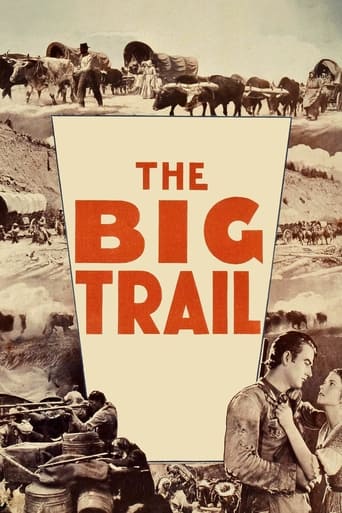
More Adventure films
View all →
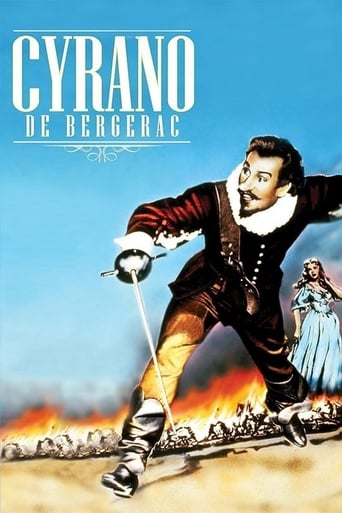
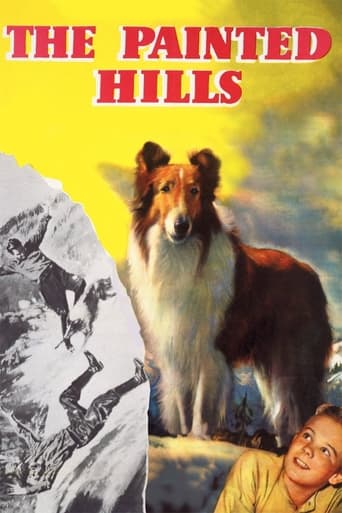
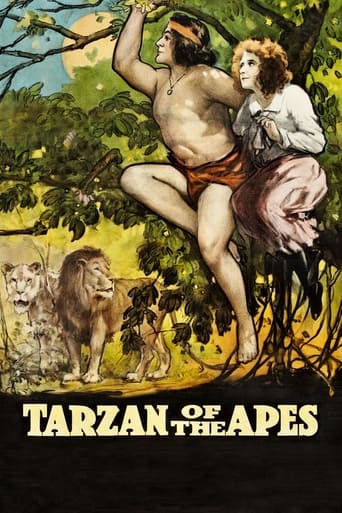
More from James Cruze
View all →

More about this film
About the production
Release dateMarch 26, 1923
Budget$782,000 (an enormous sum for 1923, making it a major studio gamble for its era)
Box office$3.8 million (a massive success, ranking among the top-grossing films of 1923)
ProductionParamount Pictures
Filmed inSagebrush, California, Mojave Desert, California, Sierra Nevada mountains, California, San Bernardino Mountains, California
The production involved over 5,000 extras, 300 covered wagons, 1,000 horses, and 700 cattle. Director James Cruze insisted on authenticity, using actual covered wagons from the 19th century when possible. The massive wagon train scenes required meticulous planning and coordination, with the production creating temporary settlements that housed cast and crew for months. The desert scenes were filmed during actual summer heatwaves, with several cast and crew members suffering from heat exhaustion. The mountain snow sequences were shot at high elevations, requiring specialized equipment to transport cameras and film stock through deep snow.
Themes
Manifest Destiny and American expansionismThe conflict between civilization and wildernessRomance versus survival in harsh conditionsCommunity and cooperation in the face of adversityThe American pioneer spirit and determination
Themes & topics
wagon trainOregon Trailpioneerslove trianglefrontierNative American attackdesert crossingmountain passWestern expansionsurvivalhistorical epicjourneysacrificeAmerican West
Historical background
1923 placed The Covered Wagon within United States cinema as Paramount Pictures navigated wartime markets, immigration audiences, and the shift from intertitles to sound.
Why this film matters
Archivists revisit The Covered Wagon (1923) for James Cruze style, genre norms at Paramount Pictures, and the exhibition context of 98 minutes programming.
Making of
Director James Cruze, a former actor himself, was obsessed with authenticity for this production. He spent months traveling the actual Oregon Trail route and interviewing elderly pioneers who had made the journey. The production faced numerous challenges, including a flash flood that nearly washed away the entire wagon train set, and a wildfire that forced the crew to evacuate their desert location. Casting was particularly difficult, as Cruze wanted actors who could handle both the physical demands and emotional weight of their roles. Ernest Torrence, who played the villainous Bill Jackson, was actually a classically trained opera singer who brought theatrical gravitas to his Western roles. The famous buffalo stampede sequence was achieved using only 200 buffalo, cleverly filmed with multiple camera angles and editing techniques to create the illusion of thousands. The film's success made James Cruze one of the highest-paid directors in Hollywood, earning over $200,000 for this single production.
What critics said
Retrospective writing on The Covered Wagon stresses craft by James Cruze, print survival, and repertory value rather than opening-week gross alone.
Did you know?
- The film was based on the 1922 novel of the same name by Emerson Hough, who also wrote the story for 'The Pony Express' (1925)
- Over 27,000 feet of film was shot during production, though only 8,700 feet made it into the final cut
- The film's success helped establish Paramount Pictures as a major studio in Hollywood
- James Cruze reportedly spent months researching wagon train life and even hired actual pioneers as consultants
- The film premiered simultaneously in 12 theaters across the United States, an unprecedented marketing strategy for the time
- Many of the Native American actors were actual members of local tribes who were brought in for authenticity
- The film's success spawned a wave of Western epics throughout the 1920s
- Lois Wilson was paid $1,250 per week, making her one of the highest-paid actresses in Hollywood at the time
- The production used actual buffalo skulls and bones found in the desert to create authentic pioneer trail scenes
- The film was re-released in 1928 with a synchronized musical score and sound effects using the Movietone system
Awards & recognition
- Photoplay Magazine Medal of Honor (1923) - One of the first major film awards
- Academy Honorary Award (1926) - For its pioneering contribution to the Western genre (retrospective recognition)
Visual style
The cinematography by Karl Brown was revolutionary for its time, featuring extensive location shooting that was rare in the early 1920s. Brown utilized natural light to capture the vast landscapes of the American West, creating sweeping panoramic shots that emphasized both the beauty and danger of the frontier. The film employed innovative camera techniques including tracking shots that followed alongside moving wagons, creating a sense of movement and immediacy. Brown used special filters to enhance the harshness of desert scenes and contrasted them with the crisp, cold beauty of mountain sequences. The famous buffalo stampede was filmed using multiple cameras at different angles, a technique that created a sense of chaos and scale never before seen in cinema. The cinematography also featured close-ups that revealed the emotional toll of the journey on the characters, balancing the epic scale with intimate human moments. Brown's work on this film influenced an entire generation of cinematographers and helped establish the visual language of the Western genre.
Innovations
The Covered Wagon pioneered several technical innovations that would become standard in filmmaking. The production was among the first to use extensive location shooting for a narrative feature, proving that epic stories could be told authentically outside studio backlots. The film featured what may have been cinema's first large-scale animal stampede sequence, requiring innovative techniques in animal handling and camera placement. The production developed new methods for filming in extreme weather conditions, including special camera housings for desert heat and insulated equipment for mountain snow scenes. The editing techniques used to create the illusion of thousands of wagons and people were groundbreaking for their time. The film also experimented with tinting sequences in different colors to enhance emotional impact - warm amber tones for desert scenes, cool blue for night sequences, and sepia for flashbacks. The production's use of multiple cameras to capture complex action sequences influenced future filmmaking techniques. The film's success demonstrated the commercial viability of big-budget location shooting, paving the way for future epics.
Music
As a silent film, The Covered Wagon originally featured a compiled score assembled from classical pieces and popular music of the era, with specific themes composed to accompany key scenes. The original theatrical presentations included live orchestras in major cities, with detailed cue sheets provided to musicians. The love theme for Molly and Will was adapted from Tchaikovsky's 'Romeo and Juliet', while action sequences used pieces from Wagner's operas. For the 1928 re-release, a synchronized Movietone score was created featuring original compositions by Hugo Riesenfeld, one of the leading film composers of the silent era. This re-release also included sound effects for the wagon wheels, animal noises, and battle sequences. The musical approach emphasized the epic nature of the story, with sweeping orchestral arrangements that matched the visual grandeur of the cinematography. The soundtrack's success helped establish the practice of creating original scores for major motion pictures rather than relying solely on compiled classical music.
Famous quotes
We're going to Oregon, where the land is free and a man can make something of himself!
The desert doesn't care who you were back East - out here, we're all equal in suffering.
Love is a luxury on this trail, Molly. Survival is what matters.
Every wagon that makes it to Oregon carries not just supplies, but the hope of America itself.
The Indians aren't our enemies - they're fighting for their home, same as us.
Memorable scenes
- The spectacular buffalo stampede sequence where thousands of thunder across the plains, threatening the wagon train
- The treacherous mountain crossing where wagons are lowered down cliffs by ropes and manpower
- The desert thirst sequence where pioneers collapse from dehydration before finding water
- The climactic Indian attack on the wagon train circle, featuring impressive stunt work and pyrotechnics
- The romantic moonlit scene between Molly and Will where their feelings are finally confessed
- The final arrival in Oregon with the weary pioneers viewing the promised land from a mountain overlook
What audiences thought
The Covered Wagon was a phenomenal commercial success, becoming one of the highest-grossing films of 1923. Audiences were captivated by its realistic depiction of pioneer life and spectacular action sequences. The film played to packed houses for months in major cities and was particularly popular in smaller towns where audiences had personal or family connections to the pioneer experience. Many theaters reported people returning multiple times to see the film, with some viewers dressing in period clothing for viewings. The love triangle between Molly, Sam, and Will generated considerable discussion among audiences, with newspaper letters columns filled with debates about which character Molly should choose. The film's success led to increased tourism along the historic Oregon Trail, with many Americans inspired to visit the locations depicted in the movie. Contemporary audience surveys conducted by trade papers indicated that the film's appeal crossed demographic lines, attracting both men who enjoyed the action sequences and women who responded to the romantic elements.
Film connections
Influenced by
- The novel 'The Covered Wagon' by Emerson Hough (1922)
- Actual diaries and journals of Oregon Trail pioneers
- Frederick Remington's paintings of the American West
- Earlier Western shorts by D.W. Griffith and Thomas Ince
- Stagecoach travel narratives and dime novels of the 19th century
This film influenced
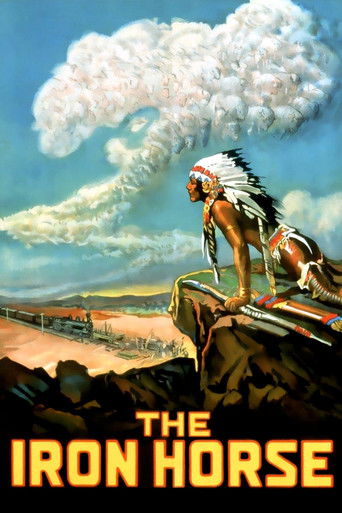
- The Iron Horse (1924)
- The Big Trail (1930)
- Stagecoach (1939)
- Red River (1948)
- Wagon Master (1950)
- The Big Sky (1952)
- How the West Was Won (1962)
- Dances with Wolves (1990)
- The Revenant (2015)
Film restoration
The Covered Wagon is well-preserved with complete copies existing in several film archives. The Library of Congress holds a 35mm nitrate original and a 35mm acetate safety copy. The UCLA Film and Television Archive maintains a restored version from 2000 that includes the original tinting and toning. The film was selected for preservation in the United States National Film Registry in 1996 for its cultural, historical, and aesthetic significance. A digital restoration was completed in 2015 by Paramount Pictures in collaboration with The Film Foundation, which included scanning original nitrate elements and recreating the original color schemes. The restored version premiered at the TCM Classic Film Festival and has since been released on Blu-ray with both the original silent version and the 1928 sound re-release.
Where to watch
- The Criterion Channel (streaming)
- Kino Lorber Blu-ray release
- Amazon Prime Video (rental/purchase)
- Apple TV/iTunes (rental/purchase)
- YouTube Movies (rental/purchase)
- FilmStruck (when available)
- Turner Classic Movies (periodic television broadcasts)
- The Museum of Modern Art film screenings (New York)
- UCLA Film & Television Archive screenings
- Various film festival retrospectives