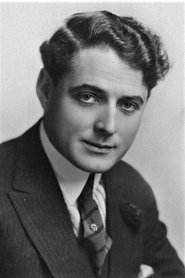
J. Warren Kerrigan
Actor
Born: October 16, 1878 in Austin, Kentucky, United States Died: June 29, 1947 Active: 1911-1925 Birth Name: John Warren Kerrigan
Films
6 films
About J. Warren Kerrigan
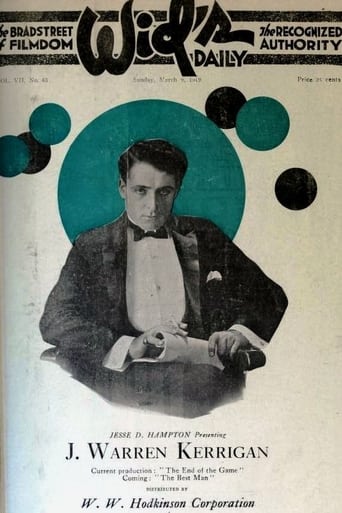
American silent-film actor who became one of the familiar romantic leading men of the 1910s and early 1920s, often appearing in adventure stories, westerns, and melodramas. Born in Kentucky and raised in the Midwest, he entered motion pictures in the years when the industry was still forming its star system, and he quickly developed a screen persona that combined athletic good looks, reserve, and an easy, masculine charm. Kerrigan worked for a number of important early companies and became a dependable star in features that emphasized action and frontier heroism rather than heavy characterization. By the time of films such as The End of the Game, The Covered Wagon, and Captain Blood, he was already associated with the swashbuckling and western genres that helped define the silent era. His career was also marked by a notorious wartime controversy in 1917, when antiwar remarks attributed to him led to boycotts and a sharp professional setback, an episode that affected his standing in the industry. Although he continued working into the mid-1920s, his screen prominence declined as Hollywood shifted toward a new generation of stars and as silent-era tastes changed. Kerrigan in early American cinema because he represents both the rise of the matinee idol and the vulnerability of stars whose careers could be altered by public scandal.
The Craft
On Screen
Kerrigan's acting style was typical of the refined silent-era leading man: controlled, athletic, and visually expressive without excessive mannerism. He relied on physical presence, directness, and a calm masculine confidence rather than exaggerated emotion, which suited the outdoor adventure and western roles he frequently played. Like many stars of the period, he communicated character through posture, gesture, and facial expression, and his appeal rested largely on his screen bearing and sense of competence. He was especially effective in roles that required action, horseback riding, or a heroic frontiersman image.
Milestones
- Became a prominent silent-film leading man in the 1910s, especially in westerns and adventure features
- Worked with major early film companies including Essanay and Fox, helping establish himself as a bankable star
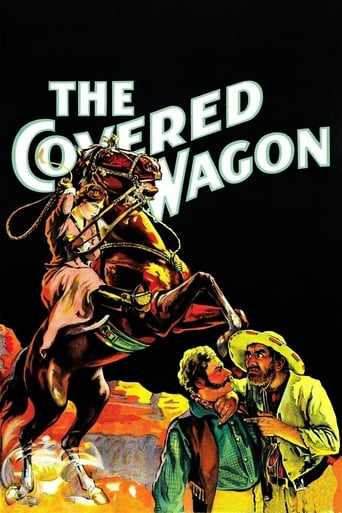
- Appeared in The Covered Wagon (1923), one of the best-known and most ambitious epic westerns of the silent era
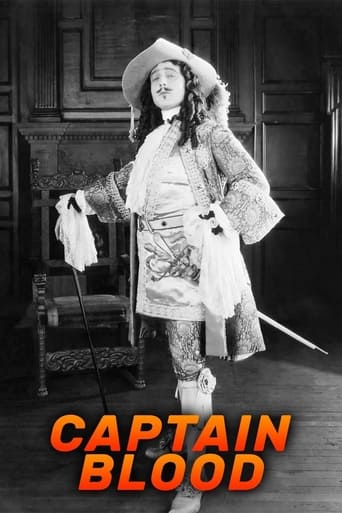
- Starred in swashbuckling and frontier films such as Captain Blood (1924), strengthening his association with heroic adventure roles
- Survived an early public-relations scandal in 1917 that damaged his popularity but remained a recognizable figure in silent cinema
- Represents the archetypal clean-cut silent-era romantic hero, especially in outdoor and action-oriented productions
Best Known For
Iconic Roles
Must-See Films
Working Relationships
Worked Often With
Studios
Why They Matter
Impact on Culture
J. Warren Kerrigan was part of the generation that helped turn the silent-film actor into a national celebrity, especially through adventure and western pictures that offered audiences a modern myth of American masculinity. His career illustrates how early stars were marketed not only for performance but for a carefully cultivated screen image, and his popularity shows the importance of the outdoor hero in silent cinema. The 1917 controversy surrounding his antiwar remarks also demonstrates how film stardom had become entangled with public morality, patriotism, and press influence even before the studio system fully matured. In that sense, Kerrigan is historically significant not only for the films he made but for the way his career reflects the risks and volatility of early Hollywood fame.
Lasting Legacy
Kerrigan's legacy rests on his status as one of the recognizable leading men of silent-era action cinema and as a contributor to the development of the screen western and frontier romance. He is remembered today less as a transcendent stylist than as a dependable and emblematic figure of his time, one who embodied the polished, capable hero that silent audiences embraced. His role in major productions such as The Covered Wagon ensures his place in histories of the genre, while the surviving record of his career provides insight into how stars were built, challenged, and sometimes diminished in early Hollywood. Film historians also note him because his career arc mirrors the transition from the first generation of movie idols to later, more fully systematized studio-era celebrities.
Who They Inspired
Kerrigan helped establish the visual template for the silent-era American leading man in westerns and adventure films: physically assured, morally upright, and emotionally restrained. While he did not found a school of acting in the formal sense, his presence in popular features contributed to audience expectations for heroic male stars in frontier and swashbuckling genres. Later western and adventure performers inherited many of the screen conventions that stars like Kerrigan helped normalize, including the emphasis on athleticism, visual clarity, and unobtrusive expressiveness. His career also serves as an example to historians of how star image could be powerfully shaped, and damaged, by off-screen publicity.
Off Screen
J. Warren Kerrigan was born John Warren Kerrigan in Kentucky and later became associated with the early motion-picture industry in California. He was married, though surviving reference sources vary in the amount of detail they preserve about his domestic life, and much of the public attention surrounding him during his career focused more on his screen work and the 1917 controversy than on his family life. He retired from films after the silent era had largely passed and lived a comparatively quiet later life. Because he worked in the earliest decades of Hollywood, some personal details are less thoroughly documented than those of later studio-era stars.
Education
He is generally documented as having grown up in the American Midwest and pursued an ordinary schooling before entering performance and the film business; specific higher education records are not commonly cited in standard film references.
Family
- Edna Mae Davis (marriage date not consistently documented in readily available sources)
Did You Know?
- He was born John Warren Kerrigan but performed under the abbreviated screen name J. Warren Kerrigan.
- He was especially associated with westerns and outdoor adventure films, genres that suited his athletic screen image.
- A widely reported 1917 wartime controversy led to boycotts and a fall in popularity, making him one of the early examples of a star harmed by public scandal.
- The Covered Wagon is among the most important silent epics connected with his career, even though the film is often remembered more broadly as a landmark western than as a star vehicle.
- He continued to appear in silent features into the mid-1920s, but never fully recovered the fame he had enjoyed before the scandal.
- His career illustrates how quickly audience tastes and industry fortunes could change in the silent era.
- He is remembered by classic-film historians as a leading man of the old school: handsome, understated, and physically capable rather than flamboyantly expressive.
Frequently Asked Questions
Who was J. Warren Kerrigan?
American silent-film with credits in this catalog. He was one of the more recognizable male stars of the 1910s and early 1920s, valued for his handsome screen presence and heroic persona. He is also remembered for a 1917 wartime controversy that affected his career.
What films is J. Warren Kerrigan best known for?
Titles linked here include The End of the Game (1919), The Covered Wagon (1923).
When was J. Warren Kerrigan born and when did he die?
Born October 16, 1878; died June 29, 1947.
What awards did J. Warren Kerrigan win?
No major surviving film-industry awards or nominations are generally recorded for J. Warren Kerrigan. This is not unusual for silent-era performers, since the modern awards culture developed later. His recognition comes primarily from his historical importance and the popularity of his films rather than formal honors.
What was J. Warren Kerrigan's acting style?
His acting style was restrained, physically confident, and well suited to silent-era hero roles. He relied on posture, movement, and expressive but controlled gestures rather than broad theatrical display. That understated approach made him effective in westerns and adventure pictures, where visual credibility mattered greatly.
What is J. Warren Kerrigan's legacy in film history?
Kerrigan is remembered as a representative silent-era leading man whose career helped define the screen western and the romantic adventure hero. He is also notable as an example of how early Hollywood stardom could be disrupted by publicity and political controversy. Film historians value him for what his career reveals about the making and unmaking of early movie stars.