
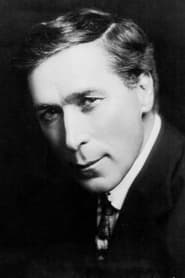
William S. Hart
Actor & Director
Born: December 6, 1864 in Newburgh, New York, USA Died: June 23, 1946 Active: 1914-1925 Birth Name: William Surrey Hart
Films
19 films
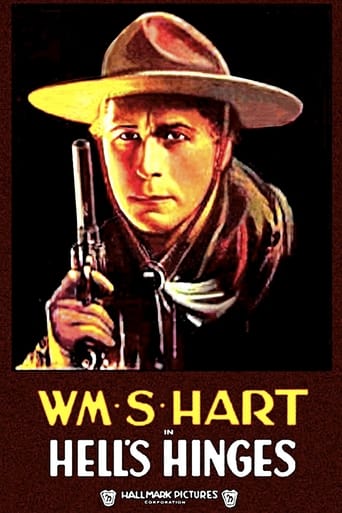
Hell's Hinges
1916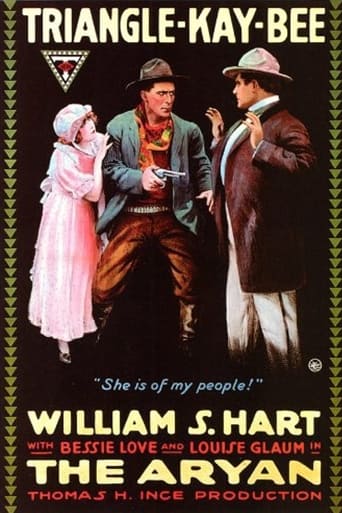
The Aryan
1916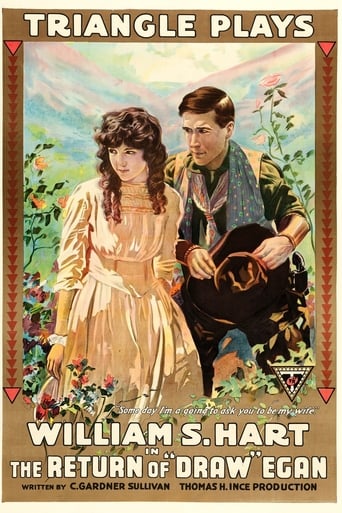
The Return of Draw Egan
1916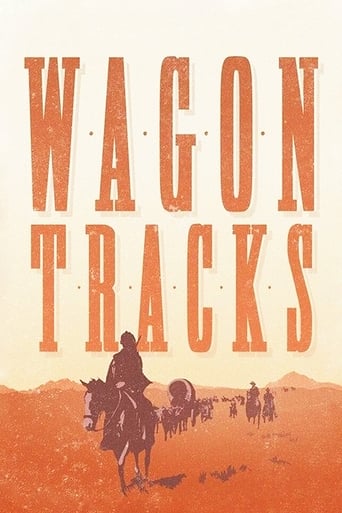
Wagon Tracks
1919
Knight of the Trail
1915
'Blue Blazes' Rawden
1918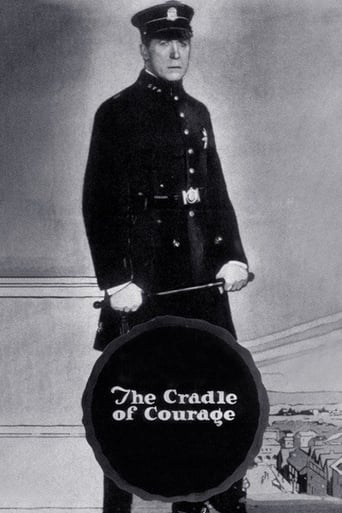
The Cradle of Courage
1920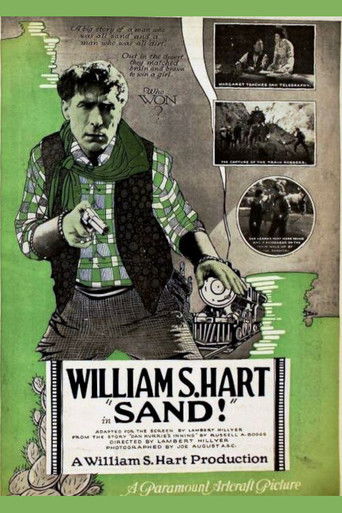
Sand
1920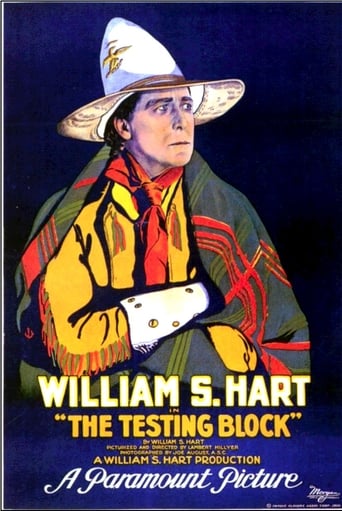
The Testing Block
1920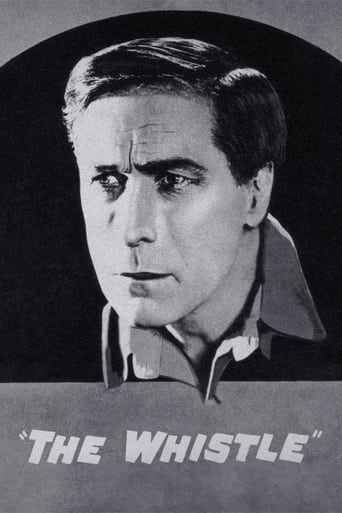
The Whistle
1921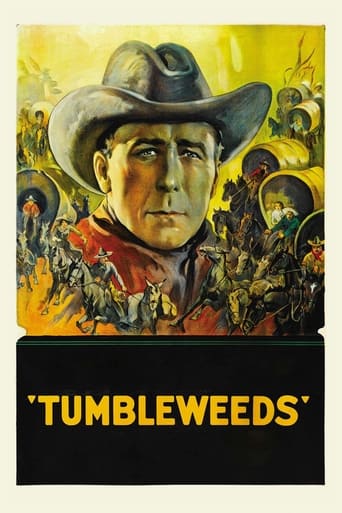
Tumbleweeds
1925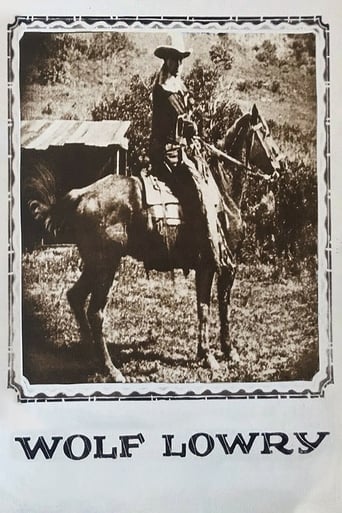
Wolf Lowry
1917
The Ruse
1915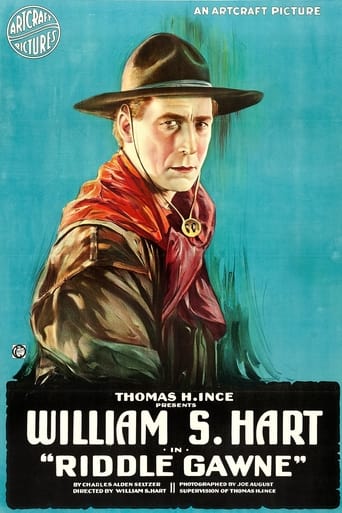
Riddle Gawne
1918
The Silent Man
1917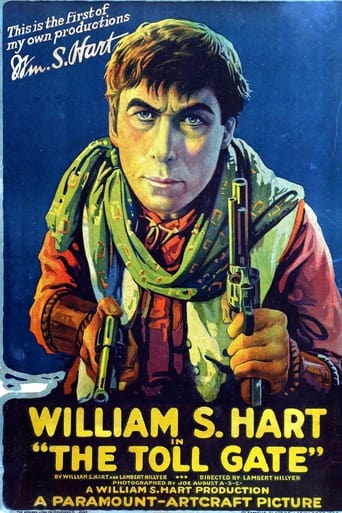
The Toll Gate
1920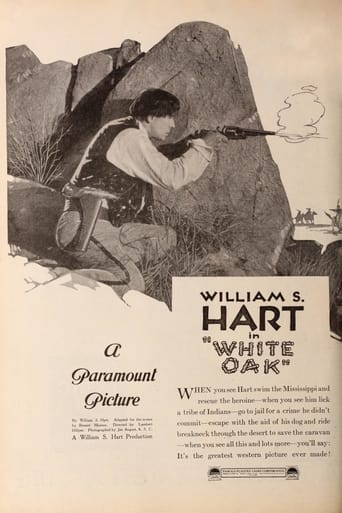
White Oak
1921
The Darkening Trail
1915About William S. Hart
William Surrey Hart was one of the foundational stars of the American Western and one of the silent era's most important actor-directors. Born in Newburgh, New York, he began his stage career in the late 19th century, performing in Shakespeare and touring repertory before moving into motion pictures in the 1910s. Hart became famous for bringing a more realistic, morally complex, and ruggedly authentic image to the Western hero, in contrast to the polished matinee-idol style common in early screen cowboys. Through a series of landmark films for Triangle and later his own productions, he helped define the film language of the Western and established the archetype of the taciturn, weathered, code-bound frontier man. His most celebrated work includes The Bargain, Hell's Hinges, The Aryan, The Return of Draw Egan, and Tumbleweeds, the last of which became a definitive silent Western and a sentimental farewell to the passing frontier. Hart retired from the screen after the mid-1920s and devoted much of his later life to preserving his legacy, collecting art and memorabilia, and supporting the public memory of the old West. He died in 1946, but his influence endured through generations of Western filmmakers and performers who followed the model he helped create.
The Craft
On Screen
Hart's acting style was restrained, granite-faced, and intensely physical, shaped by his theatrical background but stripped of melodrama when used on screen. He favored a stern, inward performance style that conveyed moral conflict through posture, gesture, and stillness rather than overt expressiveness. His characters often combined toughness with sadness or honor, which made his Western heroes feel older, lonelier, and more human than the typical early screen adventurer. He also used precise body language, notably the slumped shoulders, narrow-eyed stare, and deliberate walk of a man marked by hardship and frontier experience.
Behind the Camera
Hart's directing style emphasized realism, strong atmosphere, and dramatic economy, often grounding his Westerns in harsh landscapes and morally charged situations. He favored authentic costumes, weapons, and settings, and he was interested in the material culture and behavior of the Old West rather than romanticized studio mythology. His films often balance action with psychological conflict, showing frontier violence as consequential rather than glamorous. He also used composition and location shooting to create a sense of historical authenticity and rugged isolation.
Milestones
- Became one of the earliest major stars of the American Western film genre
- Helped establish the image of the realistic, psychologically complex Western hero
- Starred in and directed several landmark silent Westerns for Triangle and his own production units
- Directed and starred in Tumbleweeds, widely regarded as one of the greatest silent Westerns
- Transitioned from stage acting to film after an accomplished theatrical career
- Retired from motion pictures and became a highly respected collector and guardian of Western art and memorabilia
Best Known For
Iconic Roles
Must-See Films
Accolades
Won
- No competitive Academy Awards known
Nominated
- No Academy Award nominations known
Special Recognition
- Motion picture pioneer widely recognized as a founding figure of the Western genre
- Inducted into the Hollywood Walk of Fame with a motion pictures star
- Subject of enduring tributes from film historians and Western film institutions
Working Relationships
Worked Often With
Studios
Why They Matter
Impact on Culture
William S. Hart had an outsized impact on American cinema by turning the Western from a novelty genre into a serious dramatic form. Before Hart, many screen cowboys were comic or generic; Hart gave the frontier hero moral weight, physical credibility, and emotional restraint. His films helped audiences accept the Western as a vehicle for tragedy, redemption, social conflict, and historical memory, not just action. He also contributed to the visual and ethical vocabulary of the genre: the lonely rider, the haunted avenger, the frontier code of justice, and the sense that violence has cost and consequence. His emphasis on authenticity influenced not only silent Westerns but also the later classical Western tradition that prized realism and moral ambiguity.
Lasting Legacy
Hart's legacy rests on his role as a genre architect: he helped define what a Western hero looked, moved, and behaved like on screen. Modern historians often place him among the earliest true auteurs of American popular cinema because he shaped both performance and filmmaking around a coherent artistic vision. His preservation of Western artifacts and his self-conscious creation of a historical persona also made him one of the first stars to curate his own myth for posterity. Today he is remembered as a bridge between stage acting and the silent screen, and as a crucial figure in the evolution of Hollywood's most enduring genre. His ranch home, collection, and surviving films continue to serve as important resources for scholars of silent cinema and the American West.
Who They Inspired
Hart influenced later Western stars and filmmakers by establishing the convention of the taciturn, morally serious cowboy with a personal code. His blend of realism and emotional restraint can be traced forward to many classical Western performers, including stars who favored understated heroism over flamboyance. Directors and screenwriters also inherited from Hart the idea that Westerns could carry tragic themes and social criticism while still delivering action and spectacle. His work helped create the template later refined by stars such as Tom Mix in a more acrobatic mode and by more psychologically complex Western heroes in later decades.
Off Screen
William S. Hart was known for a private, somewhat reserved personal life, especially in his later years, when he lived at his Santa Monica ranch and devoted himself to collecting art, books, weapons, and Western memorabilia. He never married and had no publicly acknowledged children, a fact often noted in biographies of his life. Hart had a close association with the Old West in his self-presentation and collecting habits, and he cultivated friendships with cowboys, lawmen, artists, and historians who shared his interest in frontier history. He also became an important keeper of Western artifacts, many of which formed part of the estate and legacy associated with his ranch home.
Education
He attended school in the United States and later pursued an extensive stage-based education in acting through repertory theater and professional stage companies rather than formal film training. His formative artistic education came from Shakespearean performance, touring stock work, and stage discipline.
Did You Know?
- Before becoming a film star, Hart had an established stage career and appeared in Shakespearean roles.
- He was one of the earliest major stars to build a career specifically around the Western genre.
- Hart was known for his insistence on authenticity in costumes, props, horses, and frontier details.
- He lived for many years at his ranch in Santa Monica, which became closely associated with his legacy.
- Hart collected Western art and memorabilia extensively, helping preserve material culture from the frontier era.
- He was often credited with helping transform the Western from a simple action format into a serious dramatic genre.
- His screen persona was notably older, rougher, and more weather-beaten than many of his contemporaries.
- Tumbleweeds is especially remembered as both a major silent Western and a nostalgic farewell to the vanishing frontier myth.
- He made the transition from stage performance to film relatively late compared with many early movie actors.
- His influence remained strong long after retirement, even as sound Westerns developed new styles and stars.
In Their Own Words
The exact wording of widely cited Hart quotes varies by source; many statements attributed to him concern the dignity of the Western hero, the importance of authenticity, and the moral responsibility of storytelling.
I would rather make pictures that mean something than pictures that merely amuse. (Commonly attributed in paraphrase; source wording should be verified before publication.)
Frequently Asked Questions
Who was William S. Hart?
American silent-film actor, on YTB.my. He helped define the screen cowboy as a tough, morally serious, and emotionally complex figure rather than a simple romantic adventurer.
What films is William S. Hart best known for?
Titles linked here include The Bargain (1914), Hell's Hinges (1916).
When was William S. Hart born and when did he die?
Born December 6, 1864; died June 23, 1946.
What awards did William S. Hart win?
He is not known to have won competitive Academy Awards, largely because his peak career predated the Oscars. His recognition comes instead from his historical importance, his Hollywood Walk of Fame star, and his standing as a figure in Western film history.
What was William S. Hart's acting style?
Hart's acting style was restrained, rugged, and psychologically grounded, with emphasis on stillness, body language, and expressive physical presence. He played frontier men as weathered, honorable, and often haunted figures, giving silent Westerns a seriousness that helped shape the genre.
What was William S. Hart's directing style?
As a director, Hart favored realism, authenticity, and moral conflict, often using harsh landscapes and detailed frontier settings. His films tend to be serious, economical, and grounded in the consequences of violence and lawlessness.
What is William S. Hart's legacy in film history?
Hart is widely regarded as one of the founders of the cinematic Western and one of the first actor-auteurs in American film. His portrayal of the lone, code-driven cowboy became a model for generations of Western heroes and remains a major influence on the genre.