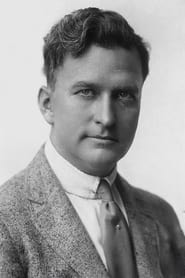
Thomas H. Ince
Actor & Director
Born: November 16, 1882 in Newport, Rhode Island, USA Died: November 19, 1924 Active: 1910-1924 Birth Name: Thomas Harper Ince
Films
6 films
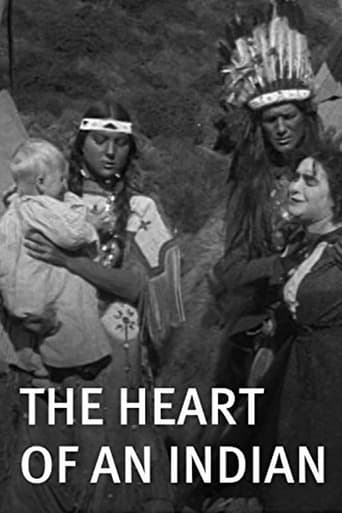
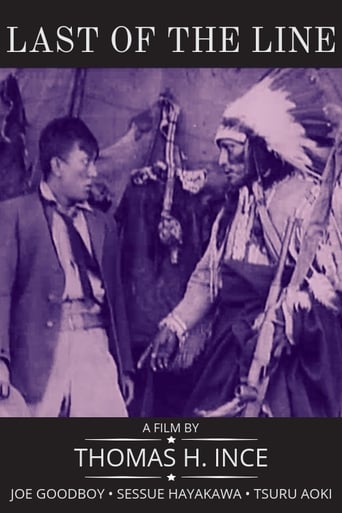
About Thomas H. Ince
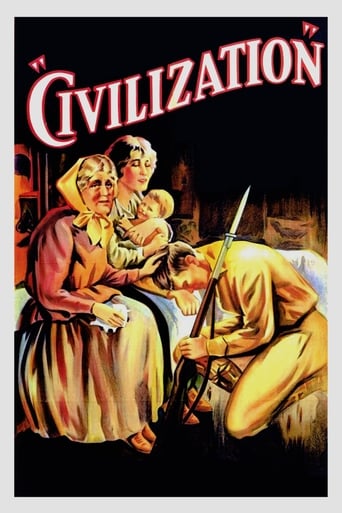
Thomas Harper Ince — American filmmaker who revolutionized the motion picture industry during the silent era. Beginning as an actor with D.W. Griffith's Biograph Company in 1910, Ince quickly transitioned to directing and developed innovative production techniques that would become the foundation of the Hollywood studio system. He established Inceville, one of the first major studio facilities in Hollywood, where he implemented assembly-line production methods and detailed script breakdowns that dramatically increased efficiency. Ince specialized in Westerns, earning him the title 'Father of the Western,' but also directed across multiple genres including war films, dramas, and epics. His 1916 masterpiece 'Civilization' was ambitious and expensive films of its time, featuring massive battle sequences and anti-war messaging that was considered controversial during World War I. As a producer, he oversaw hundreds of films and mentored numerous directors who would become Hollywood legends. His career was cut short by his mysterious death in 1924 aboard William Randolph Hearst's yacht, an event that remains one of Hollywood's most enduring scandals.
The Craft
On Screen
Ince began his career as an actor appearing in numerous Biograph shorts, typically playing supporting roles in Westerns and dramas. His acting style was typical of the early silent era - theatrical and exaggerated, as was the standard before naturalistic performance techniques emerged. However, he quickly realized his talents lay behind the camera rather than in front of it, transitioning to directing after only a few years of acting.
Behind the Camera
Thomas Ince's directing style was characterized by meticulous planning, efficiency, and innovation. He developed the detailed script breakdown system, dividing scripts into individual scenes with detailed instructions for every department. His visual approach emphasized clear storytelling, dynamic composition, and innovative camera movement for the period. Ince was particularly skilled at directing large-scale action sequences and battle scenes, as evidenced in 'Civilization' and his Westerns. He pioneered the use of detailed continuity scripts and was among the first directors to maintain consistent visual style across multiple productions.
Milestones
- Established Inceville, first major Hollywood studio facility (1912)
- Pioneered the studio system and assembly-line production methods
- Directed over 600 films in his career
- Created the detailed script breakdown system still used today
- Produced 'Civilization' (1916),
- Mentored future Hollywood directors including Fred Niblo and John Ford
- Formed Triangle Film Corporation with D.W. Griffith and Mack Sennett (1915)
- Revolutionized location shooting techniques
Best Known For
Iconic Roles
Must-See Films
Accolades
Special Recognition
- Star on Hollywood Walk of Fame (located at 6325 Hollywood Boulevard)
- Inducted into Western Performers Hall of Fame (1973)
- Ince Theater in Culver City named in his honor (1925)
- Thomas Ince Award for directing excellence (named posthumously)
Working Relationships
Worked Often With
Studios
Why They Matter
Impact on Culture
Thomas Ince fundamentally transformed the American film industry by creating the blueprint for the modern studio system. His innovations in production organization, including the detailed script breakdown method and assembly-line approach to filmmaking, became industry standards that persist to this day. Ince's development of the studio facility model at Inceville established the physical and organizational template for Hollywood's major studios. His work in popularizing the Western genre helped establish it as a quintessentially American film form that would dominate popular culture for decades. The production techniques and management systems he pioneered enabled the rapid expansion of the American film industry and its global dominance.
Lasting Legacy
Thomas Ince's legacy extends far beyond his directorial work, as he is primarily remembered as the architect of the Hollywood studio system. His methodical approach to film production, including detailed budgeting, scheduling, and departmental organization, created the foundation for how major studios would operate throughout the Golden Age of Hollywood. The Inceville studio complex he built became the model for subsequent studio facilities, and his production management techniques are still taught in film schools today. Despite his enormous influence on the industry, Ince's legacy has been somewhat overshadowed by the mysterious circumstances of his death, which has become one of Hollywood's most enduring scandals. However, film historians and industry professionals recognize him as.
Who They Inspired
Ince's influence on subsequent generations of filmmakers is profound and multifaceted. His systematic approach to production management influenced studio heads like Irving Thalberg and Jack Warner. Directors who worked under him, including John Ford and Howard Hawks, carried forward his emphasis on efficiency and technical excellence. The detailed script breakdown system he developed became standard practice throughout Hollywood, influencing how generations of directors and producers approach filmmaking. His work in establishing the Western as a major American genre influenced directors like John Ford, who would later perfect the form. Even contemporary filmmakers benefit from Ince's innovations in production organization and studio management.
Off Screen
Thomas Ince married actress Elinor Kershaw in 1907, and they had three sons together: Thomas Jr., Richard, and Robert. The family lived in Beverly Hills, where Ince became a prominent member of Hollywood society. Despite his professional success, Ince's personal life was marked by health problems, including heart issues that plagued him in his final years. His marriage to Elinor lasted until his death, though there were rumors of marital difficulties in his final years.
Education
Limited formal education, left school early to help support his family. Received most of his training through practical experience in the theater and early film industry.
Family
- Elinor Kershaw (1907-1924)
Did You Know?
- Inceville, his studio, occupied 18,000 acres of land in Santa Monica Mountains
- He was one of the first directors to use detailed continuity scripts
- His mysterious death aboard William Randolph Hearst's yacht inspired the 2001 film 'The Cat's Meow'
- He once directed 42 films in a single year
- Ince was one of the 36 founders of the Academy of Motion Picture Arts and Sciences
- He developed the first system for tracking daily production costs
- His nickname was 'The General of Movieland' due to his military-like approach to production
- He was the first filmmaker to build a complete studio facility with permanent sets
- Ince's production methods were studied by Henry Ford for his automobile assembly lines
- He was one of the highest-paid people in America during the 1910s, earning over $1 million annually
In Their Own Words
The motion picture is the greatest educational medium the world has ever known.
A picture must be made in the mind before it can be made on the screen.
Organization is the key to successful production. Without it, you have chaos.
The director must be both artist and businessman, creator and accountant.
Every frame must serve the story. There is no room for waste in this business.
Frequently Asked Questions
Who was Thomas H. Ince?
American on YTB.my. He is credited with creating the Hollywood studio system and developing production techniques still used today, earning him the nickname 'Father of the Studio System.'
What films is Thomas H. Ince best known for?
Titles linked here include Civilization (1916), The Battle of Gettysburg (1913).
When was Thomas H. Ince born and when did he die?
Born November 16, 1882; died November 19, 1924.
What awards did Thomas H. Ince win?
During his lifetime, Ince received no major awards as the Academy Awards were established after his death. However, he posthumously received a star on the Hollywood Walk of Fame and was inducted into the Western Performers Hall of Fame. His greatest recognition comes from his lasting impact on film production methods.
What was Thomas H. Ince's directing style?
Ince's directing style emphasized meticulous planning, efficiency, and clear storytelling. He pioneered the detailed script breakdown system and assembly-line production methods. His visual approach featured dynamic composition, innovative camera movement, and skillful direction of large-scale action sequences, particularly in Westerns and battle scenes.
How did Thomas H. Ince influence Hollywood?
Ince fundamentally shaped Hollywood by creating the studio system model and developing production management techniques still used today. He built the first major studio facility, established systematic filmmaking processes, and mentored numerous future directors. His innovations enabled the rapid growth of the American film industry and its global dominance.
What was the controversy surrounding Thomas H. Ince's death?
Ince's death aboard William Randolph Hearst's yacht in 1924 remains controversial. While officially attributed to heart failure, persistent theories suggest he was accidentally shot by Hearst or deliberately killed. The lack of autopsy and conflicting accounts have made this one of Hollywood's most enduring mysteries, inspiring books and films like 'The Cat's Meow.'
What was Inceville?
Inceville was Thomas Ince's revolutionary studio facility built in 1912 in the Santa Monica Mountains, occupying 18,000 acres. It was the first complete Hollywood studio with permanent sets, production facilities, and living quarters for cast and crew. This complex served as the model for all subsequent major Hollywood studios.