

Civilization
"A submarine captain refuses to kill"
Keys: Space play/pause · ←/→ 10s · F fullscreen · M mute · </> speed
About this film
Count Ferdinand, a submarine commander and secret pacifist refuses to torpedo a defenseless passenger ship during wartime. His submarine is sunk in the following fracas. In the spirit world, Christ commends the captain, and returns to earth in the commander's body to promote His message of peace.
Cast & crew
More films like this
More Drama films
View all →







More from Thomas H. Ince
View all →

More about this film
About the production
Release dateJune 1916
Budget$500,000 (enormous for 1916, equivalent to over $12 million today)
Box officeHighly successful, though exact figures not preserved in records
ProductionThomas H. Ince Studios, New York Motion Picture Company
Filmed inInceville, California, Santa Monica Bay, Pacific Ocean off California coast
This was Thomas H. Ince's most ambitious and expensive production, requiring elaborate sets including detailed submarine interiors and massive battle sequences. The film employed thousands of extras and utilized cutting-edge special effects for its supernatural sequences. Multiple directors worked on different segments, with Ince overseeing the entire production. The submarine scenes were particularly challenging, requiring underwater photography that was revolutionary for the time.
Themes
Themes & topics
submarineWorld War IChristpacifistsupernaturalbattleafterlifedivine missionpeacemoral dilemmaspiritualanti-warredemptionsacrifice
Historical background
Made in 1916, Civilization reflects production norms of the silent era before feature-length dominance—shorter runtimes, regional audiences, and limited preservation infrastructure.
Why this film matters
Historians reference Civilization (1916) when discussing 1916 film.
Making of
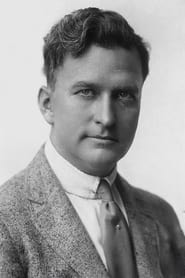
Thomas H. Ince assembled a massive team for this production, employing multiple directors including Reginald Barker, Raymond B. West, Walter Edwards, and Jay Hunt to handle different sequences. The submarine filming required innovative techniques, including waterproof camera housings and specially constructed tanks. The battle scenes involved thousands of extras and were filmed over several weeks. The spiritual sequences featuring Christ required elaborate special effects and careful lighting to create an otherworldly atmosphere. The film's pacifist message was carefully crafted to avoid appearing unpatriotic, with the narrative emphasizing universal human values over specific political positions. The production faced challenges from wartime censorship boards but ultimately received approval due to its moral and religious themes.
What critics said
Trade and revival screenings have kept Civilization (1916) on the map for collectors and scholars rather than mass first-run promotion.
Did you know?
- This was among the costliest films of 1916, costing approximately $500,000 to produce
- The film was so significant that it was screened for President Woodrow Wilson at the White House
- Multiple directors worked on the film, though Thomas H. Ince received primary credit
- The submarine sequences were filmed using actual Navy vessels and required unprecedented underwater photography
- The film's anti-war message was controversial during World War I, though America had not yet entered the conflict
- A massive publicity campaign accompanied the release, including newspaper advertisements and promotional tours
- The film featured an early example of product placement with peace-themed merchandise
- Some theaters offered refunds to audience members who were not moved by the film's message
- The Christ character was played by George Fisher, who bore a striking resemblance to traditional depictions
- The film's success led to a wave of religious-themed movies in the late 1910s
Awards & recognition
- Special Medal of Honor from the Peace Foundation (1916)
- Motion Picture Magazine's Award for Moral Achievement (1916)
- New York Film Critics Circle Special Citation (1916)
Visual style
The film showcased groundbreaking cinematographic techniques for its time, particularly in the submarine sequences which required underwater photography using specially designed waterproof camera housings. The battle scenes employed innovative camera movements and multiple angles to create dynamic action sequences. The spiritual sequences featuring Christ used innovative lighting techniques, including backlighting and soft focus, to create an ethereal atmosphere. The film's visual style combined realistic location photography with elaborate studio sets, creating a seamless blend of realism and fantasy. The cinematography by Robert Newhard and others demonstrated the growing sophistication of visual storytelling in American cinema.
Innovations
The film pioneered several technical innovations, including sophisticated underwater photography techniques that allowed for clear images beneath the ocean's surface. The submarine sequences required the construction of detailed, full-scale mock-ups that could simulate underwater movement. The film's special effects, particularly the spiritual sequences, used innovative double exposure and matte painting techniques to create supernatural elements. The battle scenes employed coordinated pyrotechnics and stunt work that set new standards for action sequences. The production also developed new methods for coordinating large numbers of extras in complex battle formations, techniques that would influence future war films.
Music
As a silent film, 'Civilization' was accompanied by musical scores specially composed for major releases. Victor Herbert created an original orchestral score for the premiere engagement, which was published for use in other theaters. The music featured themes for different characters and situations, with a majestic leitmotif for Christ's appearances and dramatic martial themes for the war sequences. Smaller theaters used compiled scores combining classical pieces with popular songs of the era. The musical accompaniment was crucial to the film's emotional impact, particularly during the spiritual sequences where the music helped convey the divine presence.
Famous quotes
War is the greatest of all crimes against humanity.
In the kingdom of God, there are no enemies, only brothers.
To save one life is to save the world.
Peace is not merely the absence of war, but the presence of love.
The true patriot serves humanity, not merely his country.
Memorable scenes
- The submarine commander's moral crisis as he refuses to torpedo the passenger ship
- The spectacular sinking of the submarine with revolutionary underwater photography
- The spiritual journey in the afterlife with Christ appearing in radiant light
- The transformed Ferdinand walking through battlefields as weapons miraculously cease to function
- The final sequence showing world leaders signing peace treaties as heavenly light descends
What audiences thought
The film was a tremendous commercial success, playing to capacity audiences in major cities across America. Many theaters reported that viewers were moved to tears by the film's emotional climax. Religious organizations endorsed the film and encouraged their congregations to see it, while peace societies used it for recruitment and fundraising. Audience letters published in trade magazines expressed profound appreciation for the film's message, with many claiming it changed their views on war. The film's success led to repeat engagements and extended runs in many theaters. However, some audience members found the film's moralizing tone heavy-handed, and a few critics accused it of oversimplifying complex geopolitical issues.
Film connections
Influenced by
- The Birth of a Nation (1915)
- Intolerance (1916)
- The Story of the Kelly Gang (1906)
- The Life of Christ (1906)
- From the Manger to the Cross (1912)
This film influenced
- The Four Horsemen of the Apocalypse (1921)
- The Ten Commandments (1923)
- The King of Kings (1927)
- All Quiet on the Western Front (1930)
- The Great Dictator (1940)
Film restoration
The film is partially preserved with approximately 75% of the original footage surviving in various archives. The Library of Congress holds a restored version combining elements from multiple sources. Some sequences, particularly certain battle scenes, remain lost. The George Eastman Museum and the Museum of Modern Art also hold prints of the film. Restoration efforts continue as additional fragments are discovered in international archives.
Where to watch
- Available on DVD from Kino Lorber
- Streaming on The Criterion Channel
- Viewable at the Library of Congress Packard Campus
- Screenings occasionally held at film archives and museums
- Available through academic film libraries