Films
4 films

About J. Frank Burke
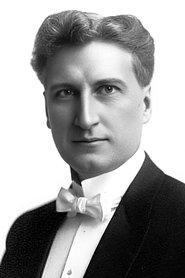
Character actor during the early silent film era, appearing in several notable productions between 1914 and 1916. His career, though brief, coincided with a pivotal period in American cinema when feature films were becoming the industry standard. Burke worked with some of the most significant filmmakers and stars of the time, including William S. Hart in Westerns and Thomas H. Ince in epic productions. His filmography includes important social dramas like 'The Italian' and the ambitious anti-war epic 'Civilization.' Like many supporting actors of the silent era, Burke often played character roles that provided essential texture to the narratives. His career appears to have ended around 1916, as no further film credits have been documented. While his time in cinema was brief, his contributions to these historically significant films mark him as part of the foundation of American feature filmmaking.
The Craft
On Screen
As a character actor in the silent era, Burke likely employed the exaggerated gestures and facial expressions typical of the period. His roles in Westerns and social dramas suggest versatility in playing both gritty frontier characters and urban figures. Silent film acting required physical expressiveness to convey emotion without dialogue, and Burke's appearances in major productions indicate he was skilled in this craft.
Milestones
- Appeared in 'The Bargain' (1914), an early William S. Hart Western
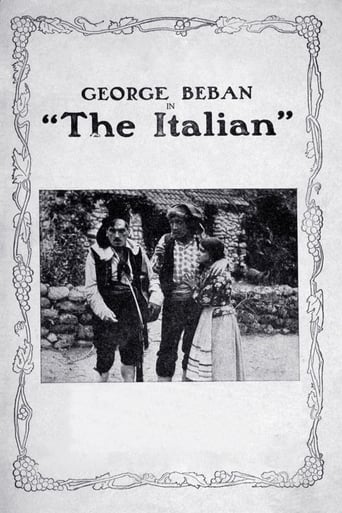
- Featured in 'The Italian' (1915), a landmark immigrant drama
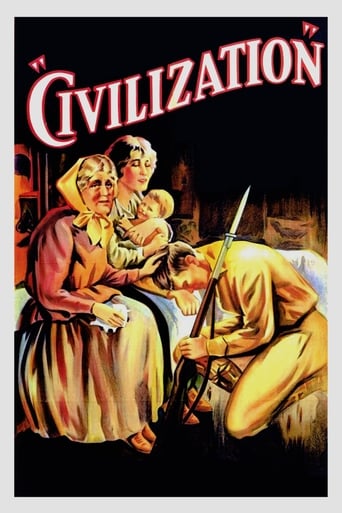
- Participated in 'Civilization' (1916), Thomas H. Ince's ambitious anti-war epic
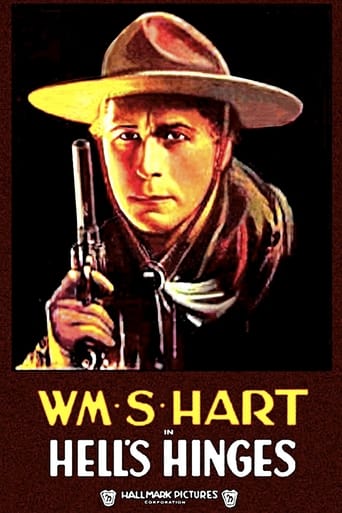
- Appeared in 'Hell's Hinges' (1916), another significant William S. Hart Western
Best Known For
Iconic Roles
Must-See Films
Working Relationships
Worked Often With
Studios
Why They Matter
Impact on Culture
J. Frank Burke, though not a major star, contributed to several culturally significant films that helped define early American cinema. His work in 'The Italian' was part of a film that was one of the first to seriously address the immigrant experience in America. His appearance in 'Civilization' placed him in. The Westerns he appeared in with William S. Hart helped establish the conventions of the genre that would dominate American cinema for decades.
Lasting Legacy
J. Frank Burke represents the countless character actors who were essential to the development of American cinema but whose names have been largely lost to history. His appearances in four significant films from 1914-1916 place him at a crucial moment when American cinema was transitioning from short films to feature-length productions. While not remembered as a star, his work contributed to films that are now recognized as important artifacts of early American film history and cultural expression.
Who They Inspired
As a supporting actor in the silent era, J. Frank Burke's direct influence on other performers is difficult to trace. However, his work in establishing character archetypes in early Westerns and social dramas contributed to the visual language of cinema that would influence generations of actors. The films he appeared in, particularly those directed by Thomas H. Ince and starring William S. Hart, were influential in developing narrative techniques and genre conventions that would shape Hollywood's golden age.
Off Screen
Very little is documented about J. Frank Burke's personal life, which was common for many character actors of the silent era who did not achieve star status. Like many performers of this period, his life story remains largely undocumented in film history archives.
Did You Know?
- Appeared in four films over a three-year span, suggesting a brief but focused career
- Worked with William S. Hart in two different Westerns, indicating a professional relationship
- Participated in 'Civilization,'
- His career coincided with the transition from short films to feature-length productions in American cinema
- Like many silent era actors, his filmography is limited but includes historically significant productions
- Worked during the early years of Hollywood's establishment as the film capital
- Appeared in films that addressed serious social issues, including immigration and war
Frequently Asked Questions
Who was J. Frank Burke?
American character with credits in this catalog. He appeared in several notable films including Westerns with William S. Hart and social dramas, though he never achieved star status.
What films is J. Frank Burke best known for?
Titles linked here include The Bargain (1914), The Italian (1915).
When was J. Frank Burke born and when did he die?
Unfortunately, specific birth and death dates for J. Frank Burke are not documented in available film archives, which is common for many supporting actors of the silent era who did not achieve widespread fame.
What awards did J. Frank Burke win?
J. Frank Burke did not receive any documented major awards during his brief career. The Academy Awards were not established until 1929, after his film career had ended.
What was J. Frank Burke's acting style?
As a silent era actor, Burke likely employed the exaggerated physical expressions and gestures typical of the period. His roles in both Westerns and social dramas suggest he was a versatile character actor capable of playing different types of supporting roles.
Did J. Frank Burke work with any famous directors or actors?
Yes, Burke worked with notable figures of early cinema including Western star William S. Hart in two films, and director Thomas H. Ince on the epic 'Civilization.' These collaborations placed him in significant productions of the era.