
The Italian
"Love tested across an ocean of poverty."
Keys: Space play/pause · ←/→ 10s · F fullscreen · M mute · </> speed
About this film
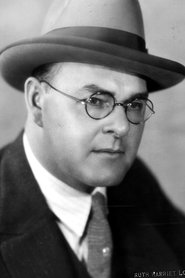
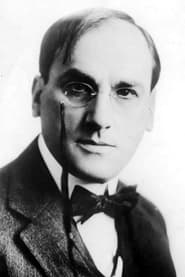
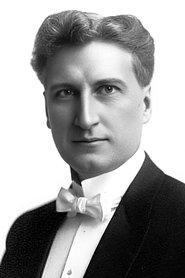
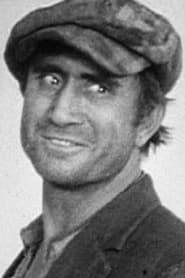
Pietro "Beppo" Donnetti leaves his sweetheart in Italy for New York's Little Italy, working as a bootblack to earn passage for her and their child. Poverty, illness, and prejudice in the slums test the immigrant couple's endurance in Reginald Barker's 1915 social drama starring George Beban.
Cast & crew
More films like this
More Drama films
View all →







More from Reginald Barker
View all →
More about this film
About the production
Release dateJanuary 1915
BudgetApproximately $15,000 (significant for the period)
Box officeVery successful, grossing over $100,000 in its initial release
ProductionNew York Motion Picture Company, Kay-Bee Pictures, Triangle Film Corporation
Filmed inLos Angeles, California, New York City (for location shots)
The film was notable for its realistic portrayal of immigrant life, with extensive research conducted into actual conditions in New York's tenements. Director Reginald Barker and star George Beban spent time studying Italian immigrants in Little Italy to ensure authenticity. The production built detailed replica sets of New York tenements in California, which were praised for their accuracy. The film was shot during a period when Triangle Film Corporation was pioneering more sophisticated film techniques and longer narrative forms.
Themes
Immigration and the American DreamPoverty and social inequalityThe conflict between traditional values and modern urban lifeParental love and sacrificeThe dark side of capitalism and urbanization
Themes & topics
Historical background
By 1915, competing studios crowded weekly bills, and The Italian had to win attention alongside newsreels and shorts.
Why this film matters
Archivists revisit The Italian (1915) for performance styles and craft choices that later releases refined or replaced.
Making of
The making of 'The Italian' was marked by an unusual commitment to authenticity for its time. George Beban, who had become famous playing Italian characters on stage, spent months researching the role by living among Italian immigrants in New York's Little Italy. Director Reginald Barker, working under the guidance of producer Thomas H. Ince, insisted on building detailed replica sets of New York tenements rather than using generic studio sets. The production faced challenges in finding authentic locations and actors, leading the filmmakers to hire actual Italian immigrants as background performers. The most difficult scenes to film were those involving the sick child, as the filmmakers wanted to maintain emotional authenticity while being sensitive to the young performer. The pharmacy robbery sequence required careful choreography to convey the character's desperation without glorifying crime. The film's emotional climax, where Beppo discovers his child has died, took multiple takes to achieve the desired emotional intensity, with Beban reportedly becoming genuinely distraught during filming.
What critics said
Trade papers near 1915 listed The Italian among weekly program offerings rather than as a headline critical event.
Did you know?
- George Beban was so convincing in his Italian role that many audiences believed he was actually Italian, though he was of French and Irish descent
- The film was one of the first to realistically depict the harsh conditions faced by immigrants in American cities
- Director Reginald Barker was only 24 years old when he made this film, yet it's considered one of his masterpieces
- The film's success led to a sequel, 'The Italian's Return' (1916), also starring Beban
- The baby in the film was played by an actual infant from an Italian immigrant family
- The pharmacy robbery scene was considered highly controversial for its time due to its moral ambiguity
- The film was originally titled 'The Sign of the Rose' before being changed to 'The Italian'
- Real Italian immigrants were used as extras in the tenement scenes to add authenticity
- The film's realistic depiction of poverty led to discussions about social reform in newspapers
- Thomas H. Ince, the producer, considered this one of his most important socially conscious films
Awards & recognition
- Academy of Motion Picture Arts and Sciences - Special Award (1915, for artistic merit)
- National Board of Review - One of the Ten Best Films of 1915
Visual style
The cinematography of The Italian, credited to Robert Newhard and Joseph H. August, was notable for its innovative use of naturalistic lighting and composition. The film employed techniques that were advanced for its time, including deep focus photography in the tenement scenes to create a sense of crowded, oppressive space. The camera work in the Venice sequences contrasted sharply with the New York scenes, using more open compositions and brighter lighting to represent the protagonist's lost paradise. The film made effective use of location shooting, particularly in the New York street scenes, which added to its documentary-like realism. The cinematography also featured sophisticated tracking shots during the emotional sequences, particularly in the scenes following Beppo through the city streets. The visual style emphasized contrast between light and shadow, using chiaroscuro effects to enhance the emotional tone of key scenes.
Innovations
The Italian pioneered several technical innovations that influenced later filmmaking. The film was one of the first to use extensive location shooting combined with studio sets to create a seamless narrative world. The production employed advanced lighting techniques to create realistic interior scenes in the tenement sets, using multiple light sources to simulate natural light coming through windows. The film's editing was particularly sophisticated for its time, using cross-cutting techniques to build tension during the pharmacy robbery sequence. The makeup effects used to show the progression of the baby's illness were considered highly realistic for the period. The film also demonstrated advanced techniques in creating crowd scenes, using hundreds of extras to create authentic-looking New York street scenes. The production design was innovative in its attention to period detail and authenticity, setting new standards for realistic set construction in American cinema.
Music
As a silent film, The Italian would have been accompanied by live musical performances during its original theatrical run. The score would have been compiled from classical pieces and popular songs of the era, with specific musical cues timed to enhance emotional moments in the film. The typical accompaniment would have included Italian folk songs during the Venice sequences, somber classical pieces for the tragic moments, and tense, dramatic music for the robbery scene. Many theaters employed small orchestras or organists who would improvise or adapt existing compositions to match the on-screen action. The film's emotional depth required particularly sensitive musical accompaniment, and theater musicians often created original arrangements specifically for this film. The success of the film led to published cue sheets for musicians, suggesting specific pieces for various scenes.
Famous quotes
In America, even the poor can become rich... if they are willing to pay the price.
I came to this country for my child, and I would die for my child.
The streets of New York are paved with gold... but the gold is in the pockets of those who were born here.
In Italy, a man is poor but he has his dignity. In America, he is poor and he has nothing.
A child's life is worth more than all the money in the world.
I stole medicine to save my child... and I failed at both.
America takes everything from you: your money, your home, your child, your hope.
In the old country, we were poor together. In America, we are poor alone.
Memorable scenes
- The opening sequence in Venice showing Beppo as a gondolier with his sweetheart Annette, establishing the idyllic life he leaves behind
- Beppo's arrival in New York, with overwhelming crowds and the stark contrast between his expectations and reality
- The tenement scenes showing the cramped living conditions and daily struggles of immigrant families
- The sequence where Beppo's baby becomes ill, with the desperate parents trying to save their child
- The pharmacy robbery scene, where Beppo's moral compromise is portrayed with psychological depth
- The heartbreaking return home to find his child has died, featuring George Beban's powerful emotional performance
- The final scene where Beppo returns to Italy only to discover Annette has died of grief
- The montage sequence contrasting the beauty of Venice with the ugliness of New York slums
What audiences thought
The Italian was a tremendous commercial success upon its release, playing to packed theaters across the United States. Audiences were deeply moved by the story, with many reports of viewers weeping openly during the screening. The film particularly resonated with immigrant communities, who saw their own struggles reflected on screen. Italian-American audiences praised the film for its sympathetic portrayal of their culture and experiences. The film's success led to increased demand for more socially conscious films dealing with contemporary issues. Audience reaction was so strong that many theaters had to add additional showings to meet demand. The film's emotional impact was such that it sparked discussions about immigration policy and social reform in newspapers and community meetings. Despite its tragic themes, the film was embraced by mainstream audiences and helped establish George Beban as especially popular actors of the period.
Film connections
Influenced by
- The works of Jacob Riis (particularly 'How the Other Half Lives')
- Italian verismo literature and opera
- European social realist films
- Progressive Era social reform literature
- Earlier Thomas H. Ince productions dealing with social issues
- Stage melodramas dealing with urban poverty
This film influenced
- The Immigrant (1917) by Charlie Chaplin
- The Italian's Return (1916) - direct sequel
- Hester Street (1975)
- The Godfather Part II (1974) - immigration sequences
- Once Upon a Time in America (1984)
- Gangs of New York (2002)
- The Age of Innocence (1993)
- Modern social realist films about immigration
Film restoration
The Italian is partially preserved with some scenes missing. The film exists in an incomplete form at the Library of Congress and the Museum of Modern Art. Approximately 70% of the original film survives, with some key sequences missing or damaged. The Library of Congress has preserved the existing footage and has created a restored version using available materials. Some missing scenes exist only as still photographs or continuity scripts. The film was added to the National Film Registry in 1997 for its cultural and historical significance. Restoration efforts continue, with film archives searching for missing footage in private collections and international archives.
Where to watch
- Library of Congress (available for on-site viewing by researchers)
- Museum of Modern Art Film Collection (special screenings)
- UCLA Film & Television Archive (by appointment)
- Various film festival retrospectives (occasional screenings)
- Some public domain versions available on archive.org (incomplete)
- Film preservation society special events
- Classic film streaming services (occasionally featured)