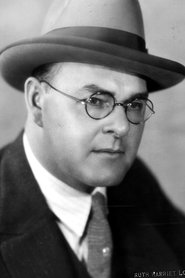
Reginald Barker
Director
Born: 1886 in Vancouver, British Columbia, Canada Died: February 23, 1945 Active: 1912-1935 Birth Name: Reginald Claude Barker
Films
6 films

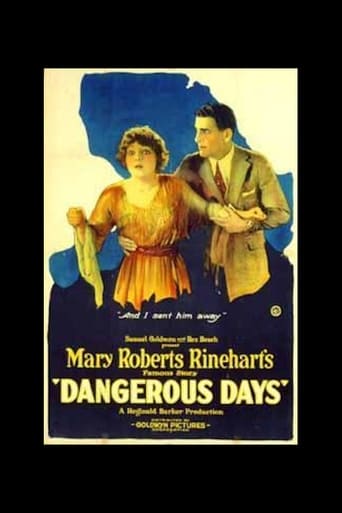
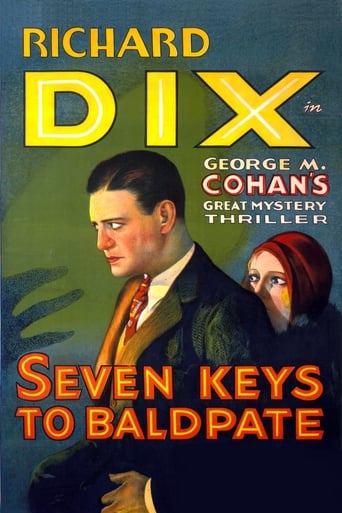
About Reginald Barker
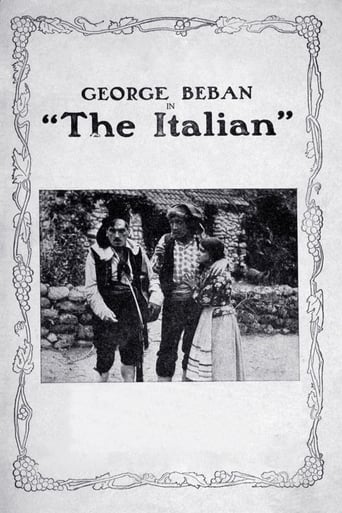
American film director during the silent era, best known for his work at Thomas H. Ince Studios where he helped establish the feature-length film format. Born in Canada in 1886, Barker began his career in the early 1910s and quickly became one of Ince's most trusted directors, handling many of the studio's most prestigious productions. His 1914 film 'The Bargain' was a critical and commercial success that helped establish William S. Hart as a major western star. Barker demonstrated remarkable versatility, directing everything from westerns to dramas and social commentary films like 'The Italian' (1915), which explored the immigrant experience in America. He was particularly adept at visual storytelling and was known for his sophisticated use of location shooting and naturalistic performances. Barker's career flourished throughout the 1910s and early 1920s, but he struggled to adapt to the transition to sound films in the late 1920s. Despite directing over 60 films during his career, he largely faded from prominence by the early 1930s and died in relative obscurity in 1945.
The Craft
Behind the Camera
Barker was known for his naturalistic approach to filmmaking, emphasizing location shooting and authentic settings over studio-bound productions. He favored strong visual storytelling with minimal intertitles, allowing his actors' performances and the cinematography to carry the narrative. His direction often incorporated social commentary and humanistic themes, particularly in his treatment of immigrant experiences and anti-war sentiments. Barker had a particular talent for working with actors, drawing subtle and nuanced performances that were ahead of their time in the silent era.
Milestones
- Directed 'The Bargain' (1914) which established William S. Hart as a western star
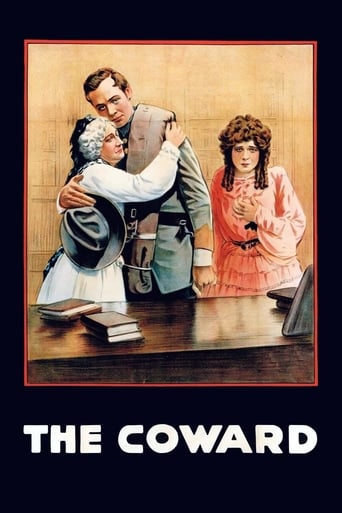
- Created the influential anti-war film 'The Coward' (1915)
- Directed the acclaimed immigrant drama 'The Italian' (1915)
- Worked extensively with Thomas H. Ince at his studio
- Directed over 60 films during the silent era
- Helped establish the feature-length film as the industry standard
Best Known For
Must-See Films
Accolades
Special Recognition
- Pioneer of American feature-length cinema
- Contributor to early Hollywood studio system development
Working Relationships
Worked Often With
Studios
Why They Matter
Impact on Culture
Reginald Barker played a crucial role in the transition from short films to feature-length cinema in America. His work with Thomas H. Ince helped establish the studio system and the division of labor that would become standard in Hollywood. Barker's films, particularly 'The Italian' and 'The Coward', were among the first to tackle serious social themes in American cinema, paving the way for more socially conscious filmmaking. His collaboration with William S. Hart helped define the western genre and establish its conventions that would influence generations of filmmakers. Barker's naturalistic directing style and emphasis on location shooting contributed to the evolution of cinematic realism in American film.
Lasting Legacy
Reginald Barker's legacy lies primarily in his contribution to establishing the feature-length film as the dominant form of American cinema. Though largely forgotten today, his films were influential in their time and helped shape the language of narrative cinema. His work with Thomas H. Ince was instrumental in developing the Hollywood studio system, and his films remain important examples of early American feature filmmaking. Barker's social dramas and westerns are studied by film historians as examples of early cinematic storytelling that addressed complex themes and social issues.
Who They Inspired
Barker influenced the development of the feature film format and the studio system in Hollywood. His naturalistic directing style influenced later directors who emphasized realism and location shooting. His work in the western genre helped establish conventions that would be followed by directors like John Ford and others. His social dramas demonstrated that cinema could tackle serious themes, influencing later filmmakers interested in social commentary. Barker's collaboration with Thomas H. Ince helped create a template for the producer-director relationship that would become standard in Hollywood.
Off Screen
Reginald Barker was born in Canada and later became a naturalized American citizen. He was married to actress and screenwriter Bessie Love for a brief period in the early 1920s. Details about his personal life remain relatively scarce, as he was known for being a private individual who rarely gave interviews or participated in Hollywood's social scene. His later years were marked by declining health and financial difficulties, and he spent his final years away from the film industry.
Education
Limited formal education; primarily self-taught in filmmaking through apprenticeship in the early film industry
Family
- Bessie Love (1921-1923)
Did You Know?
- Was born in Canada but became a prominent figure in early American cinema
- Worked closely with producer Thomas H. Ince
- Directed 'The Coward' (1915), one of the first anti-war films in American cinema
- His film 'The Italian' (1915) was one of the first to realistically portray the immigrant experience
- Helped establish William S. Hart as the first major western star
- Directed over 60 films but most are now considered lost
- Was married briefly to actress Bessie Love
- Struggled to adapt to sound films, contributing to his career decline
- His films were known for their sophisticated use of location shooting
- Was considered
- His work helped establish the feature film as the industry standard
In Their Own Words
The picture must tell its own story without the aid of words
Location photography gives a film authenticity that studio sets can never achieve
In directing, one must learn to see with the camera's eye, not the human eye
Frequently Asked Questions
Who was Reginald Barker?
Canadian-American on YTB.my. Ince Studios where he helped establish the feature-length film format and directed notable films like 'The Bargain' and 'The Italian'.
What films is Reginald Barker best known for?
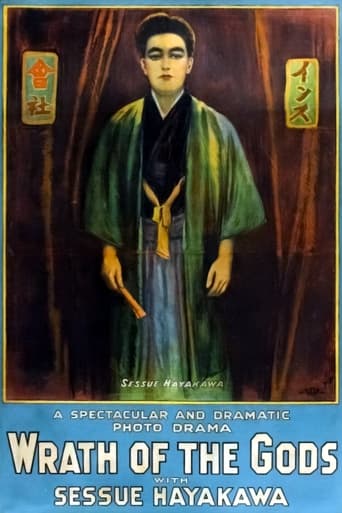
Titles linked here include The Bargain (1914), The Wrath of the Gods (1914).
When was Reginald Barker born and when did he die?
Born 1886; died February 23, 1945.
What awards did Reginald Barker win?
During his active years in the 1910s and 1920s, the formal award system we know today didn't exist, so Barker received no major awards, though his films were critically acclaimed and commercially successful in their time.
What was Reginald Barker's directing style?
Barker was known for his naturalistic approach, emphasizing location shooting, visual storytelling with minimal intertitles, and drawing nuanced performances from actors. He often incorporated social commentary and was particularly skilled at creating authentic, realistic films.
How did Reginald Barker influence early Hollywood?
Barker was instrumental in establishing the feature-length film format and developing the studio system through his work with Thomas H. Ince. His films demonstrated cinema's potential for serious social themes and helped establish conventions in western and social drama genres.
Why did Reginald Barker's career decline?
Barker's career declined in the late 1920s as he struggled to adapt to the transition to sound films. Like many silent-era directors, he found it difficult to adjust to the new technical and creative demands of talkies, leading to fewer opportunities and eventual retirement from the industry.