George Beban
Actor
Born: December 13, 1873 in San Francisco, California, USA Died: October 5, 1928 Active: 1898-1928
Films
1 film
About George Beban
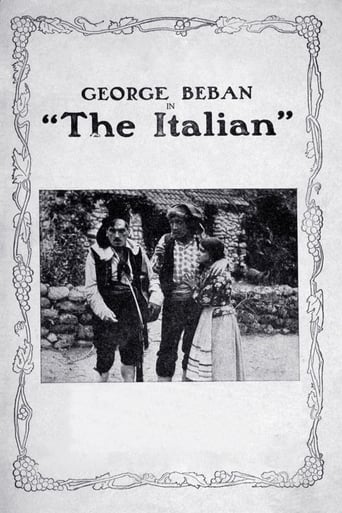
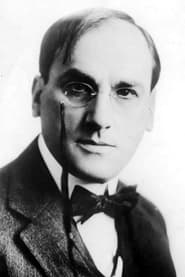
Prominent American stage and film actor of the early 20th century, renowned for his sensitive portrayals of ethnic characters, particularly Italian immigrants. Born into a theatrical family, Beban began his career on the vaudeville stage before transitioning to legitimate theater, where he developed his signature character 'The Italian' that would later become his most famous film role. His breakthrough came with the stage play 'The Sign of the Rose' which he adapted into the highly successful 1915 film 'The Italian,' cementing his reputation as one of the era's most respected character actors. Beban was known for his methodical approach to character development, spending months researching the dialects, mannerisms, and cultural nuances of the roles he portrayed. Beyond his acting career, he was also a successful playwright and theater producer, writing and starring in several productions that showcased his commitment to authentic immigrant stories. His both the theatrical stage and early cinema, making him one of the few performers to successfully bridge both mediums during the transitional period of the 1910s. Despite his contemporary success, Beban's legacy has largely faded from mainstream film history, though his work remains significant for its early attempts at ethnic representation and social commentary in American cinema.
The Craft
On Screen
Beban was known for his methodical and deeply researched approach to character acting, particularly in portraying ethnic roles. He employed a naturalistic style that was ahead of its time, avoiding the caricature and stereotyping common in the era. His performances were characterized by emotional depth, authentic dialect work, and meticulous attention to cultural details. Beban believed in living his roles, often spending months in immigrant communities to study mannerisms, speech patterns, and social customs. His acting technique emphasized psychological realism and the internal struggles of his characters, particularly the challenges faced by immigrants in America.
Milestones
- Stage debut in vaudeville (1898)
- Creation of 'The Italian' character for stage (1910s)
- Starred in and wrote 'The Italian' (1915)
- Successful Broadway run of 'The Sign of the Rose'
- Founded his own theatrical production company
- Pioneered authentic ethnic character portrayals in early cinema
Best Known For
Iconic Roles
Must-See Films
Accolades
Won
- No major formal awards during his era
Nominated
- No formal nominations system existed during his peak career years
Special Recognition
- Recognized as
- Pioneer in authentic immigrant storytelling in American cinema
Working Relationships
Worked Often With
Studios
Why They Matter
Impact on Culture
George Beban's work had significant cultural impact during the early 20th century, particularly in how immigrant stories were portrayed in American entertainment. His sympathetic and nuanced portrayals of Italian immigrants helped humanize a demographic that was often marginalized or stereotyped in popular media. 'The Italian' was groundbreaking for its time, addressing themes of assimilation, discrimination, and the immigrant experience with unprecedented sensitivity. Beban's success demonstrated that audiences would respond to authentic ethnic storytelling, paving the way for more diverse representation in early cinema. His theatrical productions often served as cultural bridges, introducing mainstream American audiences to the realities of immigrant life while maintaining respect for the communities he portrayed.
Lasting Legacy
George Beban's legacy lies primarily in his approach to ethnic character portrayal and his contribution to early American cinema's social consciousness. While largely forgotten by contemporary audiences, his work influenced subsequent generations of actors and filmmakers interested in authentic multicultural storytelling. His method acting techniques and dedication to cultural authenticity were ahead of their time, prefiguring later developments in American acting pedagogy. Film historians and scholars of early cinema recognize Beban as an important figure in the evolution of ethnic representation in Hollywood. His productions remain valuable historical documents for understanding immigrant experiences and cultural attitudes in early 20th century America.
Who They Inspired
Beban influenced the development of more nuanced ethnic character acting in American film and theater. His commitment to authenticity inspired later actors to move beyond caricature and stereotype in their portrayals of immigrant communities. His success demonstrated commercial viability for films addressing social issues and immigrant experiences, encouraging studios to invest in more diverse storytelling. While he didn't have famous protégés in the traditional sense, his work influenced the broader movement toward realism in American acting that would flourish in the 1930s and beyond. Contemporary actors and filmmakers interested in authentic ethnic representation can trace part of their artistic lineage to Beban's groundbreaking work.
Off Screen
George Beban married Margaret Ryan in 1902, and their marriage lasted until his death in 1928. The couple had two children, a son named George Jr. And a daughter named Dorothy. Beban was known for his dedication to his craft and often involved his family in his theatrical work, with his wife occasionally appearing in his productions. Despite his success, he maintained a relatively private personal life and was respected for his professionalism and dedication to authentic storytelling. His later years were marked by declining health, though he continued to work in theater until shortly before his death.
Education
Limited formal education, primarily trained through practical experience in vaudeville and theater
Family
- Margaret Ryan (1902-1928)
Did You Know?
- George Beban was of Croatian descent, not Italian, despite his fame for playing Italian characters
- He spent months living in Italian immigrant communities to research his roles
- His stage production 'The Italian' ran for over 200 performances on Broadway
- Beban was one of the first actors to receive percentage points from film profits
- He wrote many of his own plays and film scenarios
- His portrayal of Pietro in 'The Italian' was considered groundbreaking for its emotional depth
- Beban turned down several offers to play stereotypical gangster roles
- He was a vocal advocate for better treatment of immigrants in America
- His theater company employed many actual immigrants as consultants and extras
- Beban's death in 1928 coincided with the transition to sound, potentially limiting his film legacy
In Their Own Words
To play a man, you must first understand his soul, his struggles, and his dreams - not just his accent or his clothes.
The immigrant story is the American story, told in a different voice but with the same heart.
I would rather play one authentic character than a dozen caricatures.
The stage is not just entertainment; it is a mirror to society and a window to understanding.
When you truly represent a people, you owe them your truth, not your imagination.
Frequently Asked Questions
Who was George Beban?
Prominent American with credits in this catalog. He achieved particular fame with his 1915 film 'The Italian' and was respected for bringing dignity and depth to ethnic character roles during a time when stereotyping was common.
What films is George Beban best known for?
Titles linked here include The Italian (1915), The Pawnshop (1916).
When was George Beban born and when did he die?
Born December 13, 1873; died October 5, 1928.
What awards did George Beban win?
George Beban worked during an era before the formal award systems we know today, so he received no major formal awards. However, he was widely recognized by his peers and critics as.
What was George Beban's acting style?
Beban's acting style was characterized by methodical research, emotional authenticity, and naturalistic performance. He avoided the broad caricature common in his era, instead spending months studying the communities he portrayed. His approach emphasized psychological realism and cultural authenticity, making him a pioneer of what would later be called method acting.