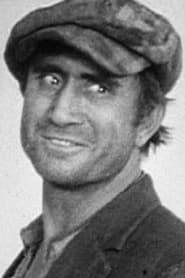
Leo Willis
Actor
Born: January 2, 1890 in Oklahoma Territory, USA Died: April 10, 1952 Active: 1914-1928
Films
13 films


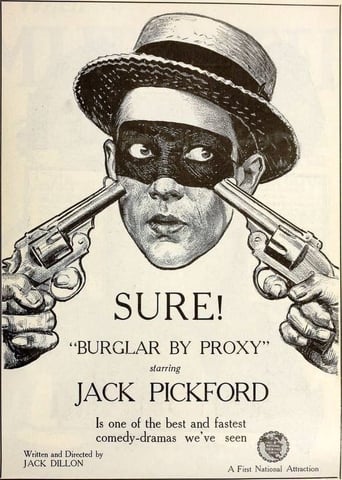
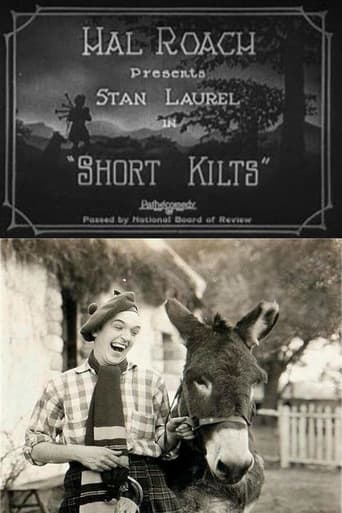
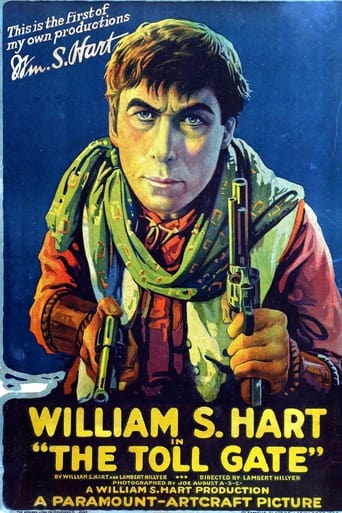
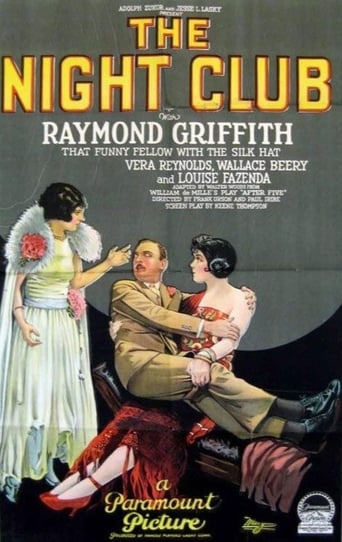
About Leo Willis
prolific character actor of the silent film era — known for his imposing physical presence and versatility in portraying villains, tough guys, and comic relief characters. Born in Oklahoma Territory in 1890, Willis entered the burgeoning film industry during its transitional period from short subjects to feature-length productions. His the entirety of the silent era's golden age, from 1914 through the transition to sound in 1928. Willis appeared in over 200 films, working with many of the era's most prominent directors and stars, including frequent collaborations with comedy legend Harold Lloyd. His burly build and expressive face made him particularly effective in Westerns, action films, and comedies where physical presence was essential. As the industry transitioned to sound films, Willis's career began to wane, and he retired from acting in the late 1920s. He spent his final years in Los Angeles, passing away in 1952, leaving behind a legacy as one of silent cinema's most reliable supporting players.
The Craft
On Screen
Leo Willis was known for his physical, expressive acting style that was perfectly suited to silent cinema. His burly, imposing stature made him ideal for villainous roles, yet he possessed remarkable comedic timing that allowed him to excel in both dramatic and humorous performances. Willis had a gift for pantomime and could convey complex emotions through facial expressions and body language alone, a crucial skill in the silent era. He often played the heavy or comic relief, using his physical presence to create memorable characters despite limited screen time. His versatility allowed him to seamlessly transition between playing menacing villains and bumbling comic characters, sometimes within the same film.
Milestones
- Appeared in over 200 silent films during his 14-year career
- Frequent collaborator with Harold Lloyd in comedy shorts
- Transitioned successfully from short films to feature-length productions
- Became
- Worked with major studios including Hal Roach Studios and Universal Pictures
Best Known For
Iconic Roles
Must-See Films
Working Relationships
Worked Often With
Studios
Why They Matter
Impact on Culture
Leo Willis contributed significantly to the development of character acting in silent cinema, helping establish the archetype of the versatile supporting player who could seamlessly transition between villainy and comedy. His work with Harold Lloyd helped define the comedic formula that would influence generations of film comedians, particularly in the use of physical contrast between leading man and supporting heavy. Willis's performances in Westerns contributed to the genre's visual language, helping codify the appearance and behavior of frontier antagonists. Though never a star, his reliability and professionalism made him an invaluable asset to the studio system, demonstrating the crucial importance of skilled character actors in creating believable cinematic worlds. His career trajectory also illustrates the challenges many silent era actors faced with the advent of sound, as specialized skills that were valuable in one era became less relevant in another.
Lasting Legacy
Leo Willis's legacy endures through the hundreds of silent films that survive as testaments to the craft of early character acting. While his name may not be widely recognized today, film historians and silent cinema enthusiasts appreciate his contributions to the medium's golden age. His performances serve as valuable examples of the art of pantomime and physical acting that defined silent film performance. Willis represents the countless skilled supporting actors who were the backbone of early Hollywood, providing the essential foundation upon which stars could shine. His work continues to be studied by film scholars examining the development of American cinema, particularly the evolution of character archetypes in Western and comedy genres. The preservation of his films ensures that future generations can appreciate the craftsmanship and dedication of actors like Willis who helped build the foundation of modern cinema.
Who They Inspired
Willis influenced subsequent generations of character actors through his demonstrated versatility and professionalism in supporting roles. His ability to create memorable characters with limited screen time set a standard for character actors that continues to be relevant today. The physical contrast he provided to leading men like Harold Lloyd established a comedic dynamic that would be replicated in countless films and television shows throughout the 20th century. His work in Westerns helped establish visual tropes for villainous characters that would influence the genre for decades. While he didn't directly mentor specific actors who became famous, his body of work served as an instructional example for aspiring character actors studying the craft of film performance.
Off Screen
Leo Willis maintained a relatively private personal life away from the Hollywood spotlight. Born in Oklahoma Territory before it achieved statehood, he was part of the generation that witnessed America's westward expansion firsthand. Willis married and had children, though specific details about his family life remain scarce in historical records. Unlike many of his contemporaries, he avoided the typical Hollywood scandals and maintained a professional reputation throughout his career. After retiring from films, he lived quietly in Los Angeles, occasionally working in other capacities within the film industry. His death in 1952 at age 62 marked the passing of another silent era pioneer who had helped shape early American cinema.
Education
Unknown - no formal education records available
Family
- Unknown - details not publicly documented
Did You Know?
- Appeared in over 200 films in just 14 years, averaging more than 14 films per year
- Was a regular member of Harold Lloyd's stock company of actors
- His imposing stature (6'2" and heavy build) made him typecast as villains and heavies
- Worked during the transition from one-reel shorts to feature-length films
- Often without on-screen billing in his early films, as was common for supporting actors of the era
- Survived the transition from silent films to talkies, though his career diminished afterward
- Born in Oklahoma Territory before it became a state in 1907
- His filmography includes many lost films that no longer exist today
- Was particularly effective in comedy despite his intimidating appearance
- Retired from acting just as the Great Depression was beginning to impact Hollywood
In Their Own Words
No documented quotes from Leo Willis survive in historical records - silent era actors rarely gave interviews or had their words preserved in print
Frequently Asked Questions
Who was Leo Willis?
Prolific American character with credits in this catalog. Known for his imposing physical presence, he appeared in over 200 films, often playing villains, tough guys, and comic relief roles in Westerns, comedies, and action films.
What films is Leo Willis best known for?
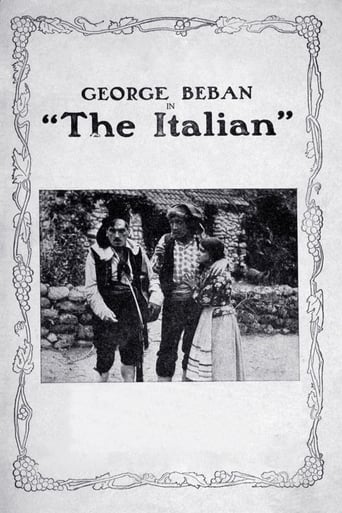
Titles linked here include The Bargain (1914), The Italian (1915).
When was Leo Willis born and when did he die?
Born January 2, 1890; died April 10, 1952.
What awards did Leo Willis win?
Leo Willis did not receive any major awards or nominations during his career. Like many character actors of the silent era, his contributions were recognized through steady employment rather than formal accolades.
What was Leo Willis's acting style?
Willis was known for his physical, expressive acting style perfectly suited to silent cinema. His burly stature made him ideal for villainous roles, yet he possessed remarkable comedic timing. He excelled at pantomime and could convey complex emotions through facial expressions and body language alone.
Why did Leo Willis's career end in 1928?
Willis's career ended around 1928, likely due to the transition from silent films to talkies. Many character actors of the silent era found their specialized skills less valuable in sound films, and Willis chose to retire rather than adapt to the new medium.
Did Leo Willis work with any famous silent film stars?
Yes, Willis frequently collaborated with comedy legend Harold Lloyd, appearing in many of his shorts and features. He also worked with other notable silent era actors including Reginald Denny and Snub Pollard.