

Their Purple Moment
"Boys sneak out for night"
Keys: Space play/pause · ←/→ 10s · F fullscreen · M mute · </> speed
About this film
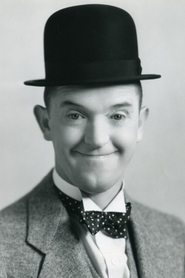
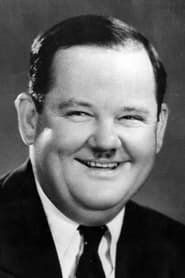
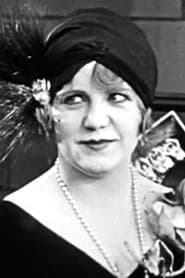
The boys sneak out for a night on the town, unaware that Stan's wife has switched her grocery coupons for Stan's secret stash of mad money. The boys run up a huge tab treating a couple of girls to dinner at a snazzy nightclub and much trouble ensues.
Cast & crew
More films like this
More Comedy films
View all →







More from James Parrott
View all →

More about this film
About the production
Release dateMarch 3, 1928
BudgetApproximately $25,000-$30,000 (typical budget for Hal Roach two-reel comedies of this era)
Box officeSilent shorts were rented to theaters for flat fees rather than earning box office percentages; exact figures not recorded
ProductionHal Roach Studios, Pathé Exchange (distributor)
Filmed inHal Roach Studios, Culver City, California
Filmed during the critical transition period between silent and sound cinema. The elaborate nightclub set was. The film was shot quickly in typical short-comedy fashion, with principal photography likely completed in 3-4 days. Stan Laurel was heavily involved in developing the gags and comedic situations, as was his custom throughout his partnership with Hardy.
Themes
Financial deceptionSocial status and appearanceMale-female relationshipsConsequences of dishonestyThe gap between appearance and reality
Themes & topics
nightclubdinnerbillescapemisunderstandingdeceptionmoney troublesdouble datecomedysilent filmshort filmgrocery couponsmad moneyfinancial switch
Historical background
Their Purple Moment (1928) emerged during late silent cinema and the transition toward sound, when exhibition habits and national film industries were still taking shape.
Why this film matters
Their Purple Moment remains accessible through digital archives, giving modern viewers a direct link to 1928 screen culture.
Making of
The production of 'Their Purple Moment' took place during. The Hal Roach Studios were at the forefront of comedy production, with some of the most sophisticated facilities and talent in the industry. The elaborate nightclub set represented a significant investment for a two-reel comedy, reflecting both the studio's success and their commitment to quality. Stan Laurel was intimately involved in the creative process, working closely with director James Parrott to perfect the timing and development of gags. The cast and crew were acutely aware that they were creating what might be among the last great silent comedies, adding both urgency and a sense of historical significance to the production. The filming followed the efficient Roach studio system, with careful planning and rehearsal to maximize the limited shooting time available for short subjects.
What critics said
Modern write-ups on Their Purple Moment (1928) tend to focus on preservation status, stylistic choices, and placement within director or studio filmographies.
Did you know?
- The title 'Their Purple Moment' uses 1920s slang where 'purple' meant extravagant, lavish, or showy - referring to the boys' desire for a night of splurging.
- This was one of the final silent shorts Laurel and Hardy completed before the full transition to sound films, making it historically significant as a late-silent era masterpiece.
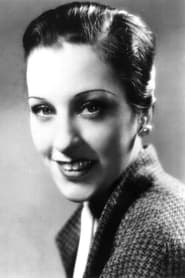
- Anita Garvin, who plays one of the girls, was a highly accomplished comedienne and frequent Hal Roach player who appeared in numerous Laurel and Hardy films.
- The nightclub set was so elaborate and expensive that it was reportedly reused in several other Roach productions to maximize the investment.
- Director James Parrott was Hal Roach's brother-in-law and.
- The film features some of the most sophisticated lighting techniques seen in comedy shorts up to that point, particularly in the nightclub scenes.
- Some original release prints featured selective color tinting, particularly in the nightclub scenes to enhance the glamorous atmosphere.
- The grocery coupon switch was based on a real common practice of the era where husbands would hide money from their wives.
- This film demonstrates Laurel and Hardy's fully developed screen personas, established after several years of working together.
- The film was released just months before the stock market crash of 1929, making its themes of extravagant spending particularly poignant in retrospect.
Visual style
The cinematography by George Stevens (who would later become a renowned director) showcases the sophisticated visual techniques developed by the late silent era. The film employs advanced lighting methods, particularly in the nightclub scenes where elaborate illumination creates a glamorous atmosphere. The camera work follows the refined comedy shooting style perfected at the Roach studio, using wide shots to establish physical comedy and medium shots for character reactions. The photography demonstrates the visual sophistication achieved in comedy by this period, with careful composition and movement that enhances the humor without distracting from it. The film's visual style represents the peak of silent comedy cinematography, just before the technical challenges of sound would temporarily simplify film visuals.
Innovations
The film showcases several notable technical achievements for its era, particularly in set construction and lighting. The elaborate nightclub set represented. The lighting techniques used were advanced for 1928, creating depth and atmosphere that enhanced the comedy. The film demonstrates the refined editing capabilities developed for comedy timing by the late silent era, with precise cuts that maximize humorous effect. The production also utilized the improved film stocks available by 1928, allowing for better image quality in low-light conditions. These technical elements combined to create a short film with production values rivaling many contemporary features.
Music
As a silent film, 'Their Purple Moment' would have been accompanied by live musical accompaniment in theaters, typically compiled from standard photoplay music libraries. The musical score would have included specific cues for comic moments, dramatic tension, and romantic scenes. Larger theaters might have employed small orchestras, while smaller venues would have used piano accompaniment. The nightclub scenes would have featured more sophisticated, jazz-influenced music to match the setting. No specific composed score was created for the film itself, as was standard practice for short subjects of this era. Modern screenings often use compiled scores or original compositions created specifically for silent film presentations.
Famous quotes
As a silent film, there are no spoken dialogue quotes, but the film featured witty intertitles including: 'Stan's secret mad money - hidden from the wifey's eyes!' and 'The boys are going to paint the town purple tonight!'
Memorable scenes
- The discovery scene where Stan finds his money replaced by grocery coupons, the escalating dinner orders where the boys try to impress their dates with increasingly expensive items, the frantic attempts to escape the nightclub when they can't pay the bill, the confrontation with the formidable nightclub manager, and the classic Laurel and Hardy physical comedy throughout their escape attempts.
What audiences thought
The film was enthusiastically received by 1928 audiences who were thoroughly familiar with Laurel and Hardy's established screen personas and comic relationship. Moviegoers of the era particularly enjoyed the glamorous nightclub setting and the relatable theme of trying to impress while avoiding financial responsibility. The film's release during the prosperous late 1920s meant its themes of extravagance and social aspiration resonated strongly with theater-goers. Modern audiences who discover the film through revival screenings or home video releases consistently praise it as a perfect example of silent comedy timing and visual storytelling. The film continues to entertain Laurel and Hardy fans and serves as an excellent introduction to their work for new viewers, demonstrating why the team remains beloved decades later.
Film connections
Influenced by
- Earlier Laurel and Hardy shorts establishing their characters
- Charlie Chaplin's sophisticated silent comedy storytelling
- Buster Keaton's technical precision in comedy
- Hal Roach Studios' refined comedy production methods
- 1920s slang and cultural references
This film influenced
- Later Laurel and Hardy sound films with similar themes
- Comedy films featuring dinner and financial trouble scenarios
- The 'running up a bill' comedy trope in later films
- Screwball comedies of the 1930s dealing with financial deception
Film restoration
The film survives in complete form and has been preserved by major film archives including the Library of Congress and the UCLA Film and Television Archive. Multiple 35mm prints exist in various collections worldwide. The film has undergone digital restoration for home video releases and is considered to be in good preservation condition for a film of its age.
Where to watch
- Available on various Laurel and Hardy DVD collections from distributors like The Criterion Collection and Kino Lorber
- Streaming on services specializing in classic films such as The Criterion Channel
- Occasionally airs on Turner Classic Movies and other classic film channels
- Available through some public domain collections on YouTube and other platforms
- Included in comprehensive Laurel and Hardy box sets
- Accessible through some university film archives and library collections