
Fay Holderness
Actor
Born: May 16, 1881 in Oconto, Wisconsin, USA Died: May 13, 1963 Active: 1915-1944 Birth Name: Fay Frances Hinkel
Films
7 films

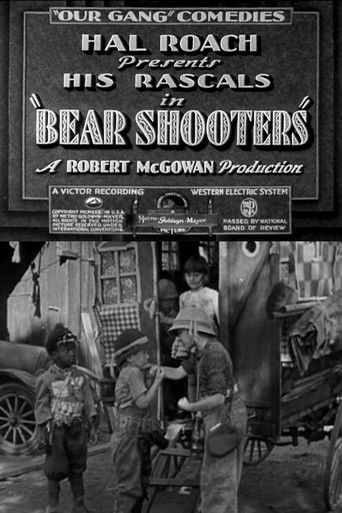
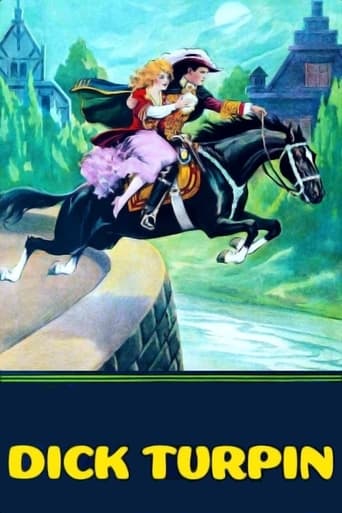
About Fay Holderness
Prolific American character actress: the silent era and early sound period of Hollywood cinema. Born in Wisconsin in 1881, she began her film career around 1915 and quickly established herself as a versatile character actress, appearing in over 200 films throughout her career. She was particularly known for her work in comedy shorts, frequently collaborating with comedy giants like Harold Lloyd, Charley Chase, and the Hal Roach studio ensemble. Holderness often played authoritative figures such as mothers, landladies, society matrons, and businesswomen, bringing a distinctive presence to each role. Her expressive face and impeccable timing made her a valuable supporting player in numerous silent comedies and dramas. As the industry transitioned to sound, she continued working, though in increasingly smaller roles, eventually retiring from acting in the mid-1940s. Her filmography represents a significant contribution to the golden age of Hollywood comedy, even though she rarely received top billing.
The Craft
On Screen
Fay Holderness specialized in character acting with a distinctive theatrical style suited to silent cinema. She employed exaggerated facial expressions and body language to convey emotion and personality, essential for non-verbal storytelling in silent films. Her performances were characterized by a commanding presence, often playing authoritative or comic relief roles with precise timing. She had a particular talent for portraying stern but ultimately good-hearted characters, using her expressive eyes and sharp gestures to establish her characters' personalities quickly.
Milestones
- Appeared in over 200 films during her 29-year career
- Frequent collaborator with Harold Lloyd in his comedy shorts
- Regular performer at Hal Roach Studios during the silent era
- Successfully transitioned from silent films to early talkies
- Worked with major comedy stars including Charley Chase and Snub Pollard
Best Known For
Iconic Roles
Must-See Films
Working Relationships
Worked Often With
Studios
Why They Matter
Impact on Culture
Fay Holderness contributed significantly to the development of character acting in American silent cinema, particularly in the comedy genre. Her work helped establish the archetype of the comic authority figure, a role that would become standard in Hollywood comedies for decades. As a woman who worked consistently in the male-dominated film industry of the 1910s and 1920s, she represented the growing presence of women in all aspects of filmmaking. Her ability to transition from silent films to talkies, while many of her contemporaries struggled, demonstrated adaptability that would become essential for survival in the rapidly changing film industry.
Lasting Legacy
Fay Holderness's legacy lies in her extensive body of work that serves as a valuable record of silent era comedy techniques and character development. Though never a star, her consistent presence in hundreds of films makes her an important figure for film historians studying the supporting players who gave classic Hollywood films their depth and texture. Her performances in Harold Lloyd films, in particular, continue to be studied and appreciated by silent film enthusiasts and scholars. She represents the countless dedicated character actors who formed the backbone of Hollywood's golden age, ensuring that films of the era had the rich ensemble casts that made them memorable.
Who They Inspired
While Fay Holderness was not typically in a position to directly mentor other actors due to her supporting role status, her professional example influenced subsequent generations of character actors. Her ability to create memorable characters with limited screen time demonstrated the importance of supporting performances in film success. Her work in establishing character archetypes in comedy influenced how subsequent actors would approach similar roles. Her longevity in the industry, spanning both silent and sound eras, provided a model of adaptability for character actors facing technological and industry changes.
Off Screen
Fay Holderness was married twice during her lifetime. Her first marriage was to actor and director James Holderness, from whom she derived her professional stage name. After their marriage ended, she married Harry A. Gant. Despite her extensive film career, she maintained a relatively private personal life away from the Hollywood spotlight. She lived in Los Angeles for most of her adult life and remained active in the film industry until her retirement in the 1940s.
Family
- James Holderness (1910s-1920s)
- Harry A. Gant (1930s-1963)
Did You Know?
- Appeared in over 200 films but rarely received screen credit
- Her real name was Fay Frances Hinkel before adopting Holderness professionally
- Worked with comedy legend Harold Lloyd in multiple films
- Was part of the regular stock company at Hal Roach Studios
- Successfully made the transition from silent films to talkies
- Often played characters much older than her actual age
- Her final film appearance was in 1944, nearly 30 years after her debut
- She died just three days before her 82nd birthday
- Despite her extensive filmography, no photographs of her from her early career survive
- She was one of the few character actresses to work consistently through the entire silent era
Frequently Asked Questions
Who was Fay Holderness?
Screen credits include over 200 films during the silent era and early sound period. She was best known for playing authority figures like landladies, mothers, and society matrons, particularly in comedy shorts for Hal Roach Studios and in films starring Harold Lloyd.
What films is Fay Holderness best known for?
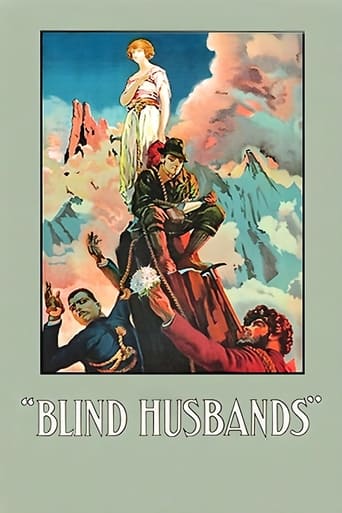
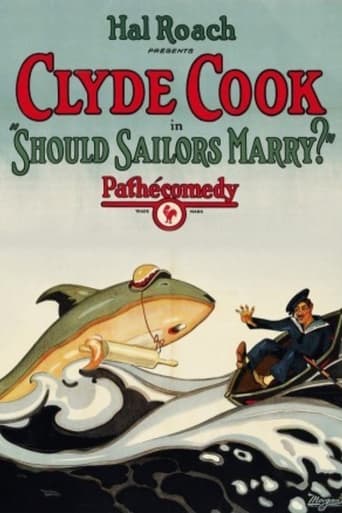
Titles linked here include Blind Husbands (1919), Should Sailors Marry? (1925).
When was Fay Holderness born and when did she die?
Born May 16, 1881; died May 13, 1963.
What awards did Fay Holderness win?
Despite her extensive career spanning nearly three decades and appearing in over 200 films, Fay Holderness did not receive any major awards or nominations. Like many character actors of her era, her contributions went largely unrecognized by formal award institutions.
What was Fay Holderness's acting style?
Fay Holderness specialized in character acting with a theatrical style perfect for silent cinema, using exaggerated facial expressions and body language to convey emotion. She excelled at playing stern but good-hearted authority figures with impeccable comic timing and a commanding presence.
How did Fay Holderness transition from silent to sound films?
Unlike many silent era stars who struggled with the transition, Holderness successfully adapted to talkies, though in increasingly smaller roles. Her experience as a character actress and her clear diction helped her continue working through the 1930s and early 1940s.
What studios did Fay Holderness work with?
She was most closely associated with Hal Roach Studios, where she was part of the regular stock company for comedy shorts. She also worked with major studios including MGM, Universal Pictures, and Paramount Pictures throughout her career.