

Lonesome
"Lonely and city"
Keys: Space play/pause · ←/→ 10s · F fullscreen · M mute · </> speed
About this film
Two lonely people in the big city meet and enjoy the thrills of an amusement park, only to lose each other in the crowd after spending a great day together. Will they ever see each other again?
Cast & crew
More films like this

More Romance films
View all →




More from Pál Fejős
View all →
More about this film
About the production
Release dateOctober 20, 1928 (premiere), November 4, 1928 (general release)
Box officeModestly successful, but not a major hit for Universal Pictures
ProductionUniversal Pictures Corporation
Filmed inUniversal Studios, Universal City, California, Coney Island, Brooklyn, New York (second unit photography)
The film was shot during the critical transition period from silent to sound films, requiring dual production methods. Director Pál Fejös, originally from Hungary, brought European cinematic sensibilities to this American production. The amusement park sequences were particularly challenging to film, requiring coordination with real crowds and rides. The film's innovative use of split screens and superimpositions was technically advanced for its time, requiring multiple exposures and careful matte work.
Themes
Urban loneliness and isolationThe search for human connectionThe fleeting nature of happinessThe contrast between individual experience and crowd anonymityModern life and alienation
Themes & topics
amusement parkchance meetingseparationurban lifelonelinessromanceConey Islandworking classNew York Citylost and foundfatecrowdsisolationconnection
Historical background
Lonesome (1928) emerged during late silent cinema and the transition toward sound, when exhibition habits and national film industries were still taking shape.
Why this film matters
Lonesome remains accessible through digital archives, giving modern viewers a direct link to 1928 screen culture.
Making of
The production of Lonesome occurred during among the leading turbulent periods in Hollywood history - the transition from silent films to talkies. Universal Pictures initially greenlit the project as a silent film, but as production progressed, the success of The Jazz Singer (1927) caused studio executives to panic and demand sound elements. This led to the unique hybrid nature of the film, with most of the story told silently but three key sequences featuring synchronized dialogue and sound effects. Director Pál Fejös, who had extensive experience in European cinema, fought to maintain his artistic vision while accommodating the new technology. The amusement park sequences were particularly challenging, requiring the coordination of hundreds of extras, operating rides, and camera movement. The film's famous split-screen sequence, showing Jim and Mary separately preparing for their date, required careful timing and multiple camera setups. The cast had to undergo voice tests for the sound sequences, and some performers were nearly replaced when their voices didn't match their silent screen personas.
What critics said
Where contemporary reviews survive, Lonesome is discussed in terms of audience appeal at release; later criticism often reframes it through archive restoration and festival programming.
Did you know?
- Lonesome was one of the first films to incorporate synchronized sound sequences during the transition to talkies, featuring three talking sequences and a synchronized musical score.
- Director Pál Fejös was a Hungarian immigrant who brought European artistic sensibilities to Hollywood, making this his most acclaimed American film.
- The film's innovative use of split screens to show simultaneous action was groundbreaking for 1928 and influenced future filmmakers.
- Universal Pictures added sound sequences to the film after its initial silent version was completed, rushing to capitalize on the new talkie craze.
- The Coney Island sequences were filmed using a combination of studio sets and location second unit photography in New York.
- The film was considered lost for decades until a print was discovered in the 1970s, leading to its restoration and reappraisal.
- Glenn Tryon and Barbara Kent were both contract players for Universal who rarely received leading roles, making this a significant career opportunity.
- The film's theme of urban loneliness was particularly relevant during the late 1920s as rural populations continued migrating to cities.
- The fire drill sequence at Coney Island was based on real safety procedures of the era, adding authenticity to the separation scene.
- The film's visual style influenced later city symphony films and urban dramas of the 1930s.
Awards & recognition
- Named one of the 'Ten Best Films of 1928' by The Film Daily
- Special Commendation from the National Board of Review (1928)
- Cinema Heritage Award from the Society for Cinephiles (1979, for rediscovery and restoration)
Visual style
The cinematography of Lonesome, primarily by Gilbert Warrenton, was revolutionary for its time and remains impressive today. The film employs innovative techniques including split screens to show simultaneous action, superimpositions to convey psychological states, and dynamic camera movements that enhance the emotional impact of scenes. The Coney Island sequences feature spectacular tracking shots and crane movements that capture the excitement and chaos of the amusement park. The visual contrast between the lonely, cramped apartments of the protagonists and the expansive, overwhelming cityscape effectively communicates the film's themes of isolation in urban environments. The lighting design uses shadow and light to create mood and emphasize emotional moments, particularly in the intimate scenes between the leads. The film's visual style combines German Expressionist influences with American realism, creating a unique aesthetic that serves the story perfectly.
Innovations
Lonesome showcased several significant technical achievements that were ahead of their time. The film's innovative use of split screens to show simultaneous action was groundbreaking, requiring precise timing and multiple camera setups. The superimposition effects used to convey the characters' thoughts and emotions were technically sophisticated for 1928. The film successfully integrated sound elements while maintaining the visual storytelling techniques of silent cinema, demonstrating how the two mediums could coexist. The camera work in the Coney Island sequences, including complex tracking shots and crane movements, pushed the boundaries of what was technically possible at the time. The film's editing, particularly in the montage sequences, was innovative in its use of rhythm and visual storytelling. The preservation of the film's visual quality during the restoration process also represents a technical achievement, allowing modern audiences to appreciate the film's original artistic vision.
Music
Lonesome featured an innovative soundtrack that combined traditional silent film accompaniment with new synchronized sound elements. The film included a synchronized musical score by Joseph Cherniavsky, along with three sequences featuring synchronized dialogue and sound effects. The sound sequences were carefully integrated into the narrative, appearing at key emotional moments in the story. The musical score incorporated popular songs of the era as well as original compositions that enhanced the film's emotional impact. The transition between silent and sound sequences was handled skillfully, maintaining the film's artistic coherence. The soundtrack elements were recorded using the Movietone sound-on-film system, which Universal Pictures had adopted for its sound productions. The limited use of dialogue in the sound sequences demonstrated early awareness of how to use sound artistically rather than merely as a novelty.
Famous quotes
I'm so lonesome!" (repeated theme expressed through intertitles and performance)
We'll meet again - same time, same place" (promise made during their day together)
In a city of millions, we found each other" (thematic intertitle)
Memorable scenes
- The opening sequence showing Jim and Mary's separate morning routines in split screen
- The magical moment on the roller coaster where they first truly connect
- The dance sequence at Coney Island with its swirling camera movements
- The devastating separation scene during the fire drill chaos
- The final reunion sequence with its emotional resolution and visual poetry
What audiences thought
Original audiences responded positively to Lonesome, particularly to its relatable story of lonely urban dwellers finding love. The film's emotional core resonated with viewers who had experienced similar feelings of isolation in big cities. The Coney Island sequences were especially popular, offering audiences spectacular entertainment while advancing the story. When the film was rediscovered and restored in the 1970s, it found new appreciation among cinephiles and film students who recognized its artistic merits. Modern audiences at revival screenings have responded enthusiastically to the film's visual poetry and emotional power, often expressing surprise at its sophistication and contemporary relevance. The film's availability on home video and streaming platforms has introduced it to new generations, maintaining its status as a beloved classic of silent cinema.
Film connections
Influenced by
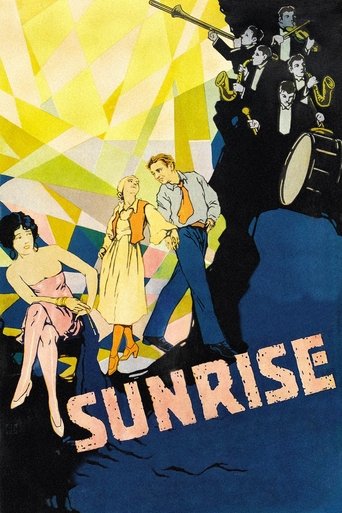
- Sunrise: A Song of Two Humans (1927) - for its visual poetry and romantic themes
- Berlin: Symphony of a Great City (1927) - for its urban cinematography
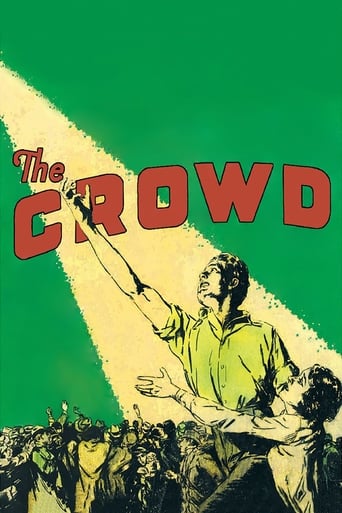
- The Crowd (1928) - for its portrayal of urban anonymity
- German Expressionist cinema - for its visual style and emotional intensity
This film influenced
- City Lights (1931) - for its blend of comedy and pathos in urban setting
- Modern Times (1936) - for its commentary on modern urban life
- The Apartment (1960) - for its themes of urban loneliness and connection
- Before Sunrise (1995) - for its focus on brief romantic encounters
Film restoration
Lonesome was considered a lost film for several decades until a 16mm print was discovered in the 1970s. The film has since been restored by the Museum of Modern Art and the UCLA Film and Television Archive. The restored version includes both the silent sequences and the original sound elements. The Criterion Collection released a beautifully restored version on Blu-ray in 2017, making the film widely available in high quality for the first time. The restoration work has been praised for preserving the film's visual beauty and technical innovations while ensuring its survival for future generations.
Where to watch
- The Criterion Channel (streaming)
- Criterion Collection Blu-ray/DVD
- Kino Lorber DVD releases
- Various film archive screenings and revival houses
- Some public domain streaming platforms (though quality may vary)