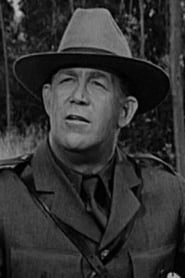
Edgar Dearing
Actor
Born: May 4, 1893 in Ceres, California, USA Died: August 17, 1974 Active: 1927-1965 Birth Name: Edgar Livingston Dearing
Films
10 films
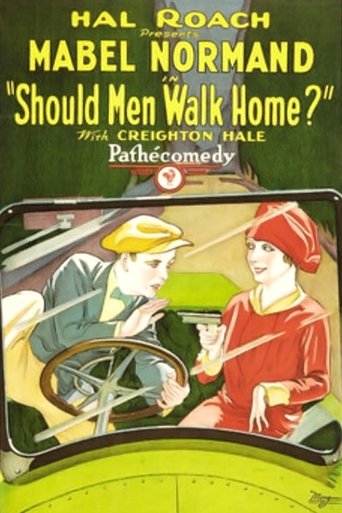
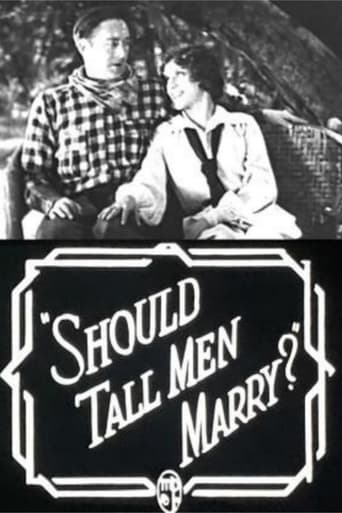
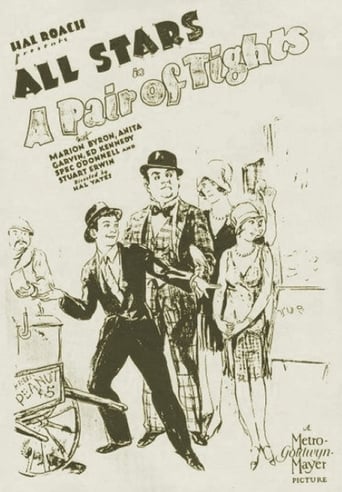
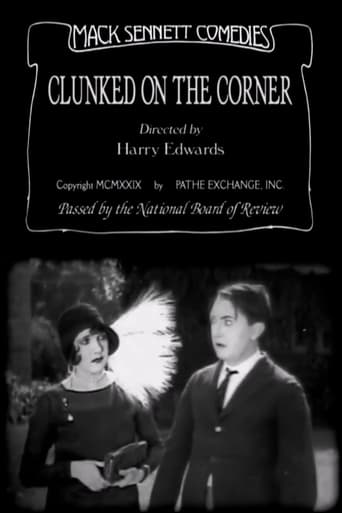


About Edgar Dearing
American character actor: both the silent era and the golden age of Hollywood, though he is particularly remembered for his work in the late 1920s comedies. Born in California, Dearing began his film career during the transition from silent films to talkies, quickly establishing himself as a reliable supporting player in comedy shorts and features. His early work included appearances in several Hal Roach productions alongside comedy legends like Laurel and Hardy, Charley Chase, and the Our Gang kids. Dearing possessed a distinctive tall, lanky frame and a deadpan expression that made him ideal for playing authority figures, henpecked husbands, or comic foils to the main stars. As sound films emerged, he successfully transitioned to talkies, continuing to work steadily throughout the 1930s and 1940s in increasingly larger productions. His career longevity was remarkable, as he continued acting well into the 1960s, appearing in hundreds of films and television shows, often uncredited but always delivering memorable performances. Dearing's ability to adapt to changing cinematic styles while maintaining his unique screen presence made him one of Hollywood's most durable character actors.
The Craft
On Screen
Dearing was known for his deadpan delivery and stoic facial expressions, often playing exasperated authority figures or bewildered ordinary men caught in comic situations. His tall, imposing presence (6'2") was frequently used for physical comedy, as he would tower over his co-stars while maintaining a bewildered dignity. He had a natural gift for timing and could convey frustration and confusion with subtle gestures and expressions, making him an ideal straight man for comedy teams.
Milestones
- Film debut in Hal Roach comedies (1927)
- Transition to sound films successfully
- Appeared in over 400 films and television shows
- Worked with major comedy teams including Laurel & Hardy
- Became one of Hollywood's most recognizable character actors
- Continued working through the transition to television
Best Known For
Iconic Roles
Must-See Films
Accolades
Special Recognition
- Hollywood Walk of Fame star (for contributions to motion pictures)
Working Relationships
Worked Often With
Studios
Why They Matter
Impact on Culture
Edgar Dearing represents the quintessential Hollywood character actor whose face was more familiar than his name to generations of moviegoers. His work in the transition from silent to sound films exemplifies how supporting players adapted to new technologies while maintaining their screen personas. As a regular in Hal Roach comedies, he contributed to some of the most influential comedy films of the era, helping establish the template for American film comedy that would influence generations of comedians. His ability to play both sympathetic and antagonistic characters with equal skill made him a versatile asset to directors across genres.
Lasting Legacy
Edgar Dearing's legacy lies in his extraordinary filmography of over 400 appearances, making him. His work preserved the golden age of comedy through countless classic films that continue to be studied and enjoyed today. Film historians recognize him as an essential part of the supporting cast that made Hollywood's golden age possible, providing the foundation upon which stars could shine. His career longevity and adaptability serve as a model for professional actors navigating the changing landscape of the entertainment industry.
Who They Inspired
Dearing influenced generations of character actors through his demonstration of how to create memorable performances in limited screen time. His deadpan style and timing influenced later comedy actors, particularly those specializing in straight man roles. His ability to work across different comedy styles and with various stars showed future character actors the value of versatility and reliability in building a lasting career in Hollywood.
Off Screen
Edgar Dearing married twice during his lifetime. His first marriage was to actress and fellow Hal Roach player Gertrude Olmstead, though this marriage ended in divorce. He later married Lucille Heisch, with whom he remained until his death. Despite his prolific career, Dearing maintained a relatively private personal life, rarely giving interviews or discussing his off-screen activities. He was known among his colleagues as a reliable and professional actor who never missed a call and was always prepared for his roles.
Education
Limited information available, likely attended local schools in California before entering show business
Family
- Gertrude Olmstead (1925-1930)
- Lucille Heisch (1931-1974)
Did You Know?
- Appeared in more than 400 films during his 38-year career
- Often worked uncredited despite having substantial roles
- Was a regular in Hal Roach's comedy unit during the late 1920s
- His height (6'2") made him a natural choice for physical comedy
- Worked with virtually every major comedy team of his era
- Successfully transitioned from silent films to talkies without interruption
- Often played police officers, judges, and other authority figures
- His deadpan expression became his trademark
- Continued working into his 70s, appearing on television in the 1960s
- Was one of the few actors to work with both Laurel & Hardy and The Three Stooges
In Their Own Words
As a character actor, you learn to make the most of every moment on screen, even if it's just a reaction shot
The secret to being a good straight man is knowing when NOT to react
Working with the great comedy teams taught me timing is everything - when to speak, when to pause, when to move
Frequently Asked Questions
Who was Edgar Dearing?
Screen credits include over 400 films from 1927 to 1965, known for his work in comedies during the silent era and golden age of Hollywood, particularly with Hal Roach Studios.
What films is Edgar Dearing best known for?
Titles linked here include Why Girls Love Sailors (1927), Call of the Cuckoo (1927).
When was Edgar Dearing born and when did he die?
Born May 4, 1893; died August 17, 1974.
What awards did Edgar Dearing win?
While Edgar Dearing did not receive major acting awards during his lifetime, he was honored with a star on the Hollywood Walk of Fame for his significant contributions to motion pictures.
What was Edgar Dearing's acting style?
Dearing was known for his deadpan delivery and stoic expressions, often playing exasperated authority figures or bewildered ordinary men. His tall frame and perfect comic timing made him an ideal straight man for comedy teams.
Did Edgar Dearing work with famous comedy teams?
Yes, Dearing worked with virtually every major comedy team of his era including Laurel & Hardy, The Three Stooges, Charley Chase, and appeared in many Hal Roach productions alongside the Our Gang kids.
How did Edgar Dearing transition from silent to sound films?
Dearing successfully made the transition from silent to sound films without interruption, continuing his steady work in comedies and expanding into dramatic roles, demonstrating his versatility as a character actor.