
Why Girls Love Sailors
"Stan the sailor dons drag to rescue his kidnapped sweetheart."
Keys: Space play/pause · ←/→ 10s · F fullscreen · M mute · </> speed
About this film
Sailor Stan whose girl gets kidnapped by a rough sea captain. Stan dresses in drag and seduces the captain but the captain's wife catches him. Stan and his girl beat a hasty retreat as the captain's wife fires off a parting shot.
Cast & crew
More films like this
More Comedy films
View all →







More from Fred Guiol
View all →
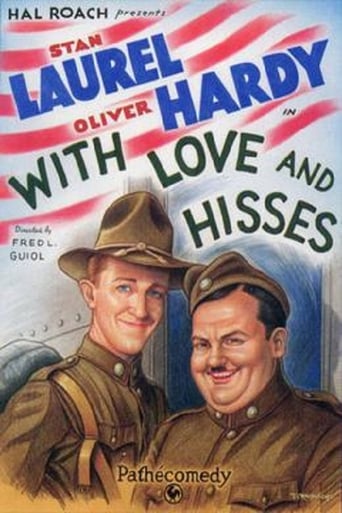
More about this film
About the production
Release dateMarch 12, 1927
ProductionHal Roach Studios
Filmed inLos Angeles, California
This film was produced during the experimental period when Hal Roach was testing the chemistry between Stan Laurel and Oliver Hardy before they became an official comedy team. The film was shot on the Hal Roach studio lot with minimal sets, typical of comedy shorts of the era. The drag sequence required extensive makeup and costume work for Stan Laurel, which was a common comedic trope in silent films.
Themes
Gender identity and disguiseLove and romanceClass differencesMaritime lifeComedy of errors
Themes & topics
Historical background
Released around 1927, Why Girls Love Sailors emerged while exhibitors were still defining how longer narratives could hold nickelodeon audiences.
Why this film matters
Collectors prize surviving prints of Why Girls Love Sailors as evidence of how 1927-era filmmakers solved storytelling problems with limited means.
Making of
The production of 'Why Girls Love Sailors' took place during a crucial transitional period at Hal Roach Studios when producer Hal Roach was experimenting with different comedy pairings. Stan Laurel had been a successful solo comedian, while Oliver Hardy had been playing supporting roles in various comedies. This film was one of approximately seven shorts where they appeared together in 1927, allowing Roach to assess their on-screen chemistry. The drag sequence required Stan Laurel to spend hours in makeup and costume each day, a process he found particularly uncomfortable in the hot studio lighting. Director Fred Guiol, who would go on to direct several early Laurel and Hardy films, worked closely with the comedians to develop their timing and visual gags. The film's climax with the pistol shot was achieved using a combination of practical effects and editing tricks that were considered quite sophisticated for the time.
What critics said
Specialist critics writing today emphasize preservation and access—praising archives when a viewable copy of Why Girls Love Sailors survives rather than overstating original buzz.
Did you know?
- This was one of several films where Stan Laurel and Oliver Hardy appeared together before they were officially paired as a comedy duo
- The film was released just months before their first official teaming in 'Duck Soup' (1927)
- Stan Laurel's drag performance was considered particularly convincing for the time period
- The film was part of the 'All-Star' comedy series produced by Hal Roach Studios
- Viola Richard, who played the female lead, was a frequent co-star with both Laurel and Hardy in their solo careers
- The pistol shot at the end was accomplished using practical effects that were innovative for 1927
- This film is sometimes confused with the 1930 Laurel and Hardy film 'Saps at Sea' due to similar maritime themes
- The original title was briefly considered to be 'Sailor's Sweetheart' before being changed
- Only one known print of this film survives today in the Library of Congress archives
- The film was shot in just three days, typical of the rapid production schedule for comedy shorts of this era
Visual style
The cinematography by Walter Lundin employed the classic techniques of silent comedy, including wide shots to capture physical gags and medium close-ups for emotional reactions. The film used the standard 1.33:1 aspect ratio of the era, with careful composition to ensure all action remained visible within the frame. The maritime sequences utilized practical effects and camera tricks to simulate the motion of ships at sea. The drag scenes employed soft focus and strategic lighting to enhance the illusion of Laurel's female disguise. The climactic pistol shot sequence used rapid editing and camera movement to create excitement and tension, demonstrating the sophisticated visual storytelling techniques that had been developed by 1927.
Innovations
While not groundbreaking in technical terms, the film demonstrated the refined techniques of late silent comedy production. The pistol shot effect at the film's climax used a combination of on-set squibs and careful editing to create a convincing illusion of gunfire. The drag makeup effects, while not revolutionary for the time, showed the sophistication of cosmetic techniques available in 1927. The film's pacing and editing rhythm represented the culmination of years of development in silent comedy timing. The preservation of the film's visual quality in surviving prints demonstrates the high standards of film stock and processing used by major studios like Hal Roach Productions.
Music
As a silent film, 'Why Girls Love Sailors' would have been accompanied by live musical performance during its original theatrical run. Typical scores for comedy shorts of this period included popular songs of the day, classical pieces adapted for comedic effect, and original improvisation by theater organists or pianists. The maritime theme would have suggested the use of nautical-themed songs like 'Anchors Aweigh' or sea shanties. No original composed score exists for this film, though modern restorations are often accompanied by newly commissioned scores that attempt to recreate the musical experience of 1927 theater presentations.
Famous quotes
(As a silent film, this contains no spoken dialogue, but features intertitles such as: 'My girl has been kidnapped by a sea captain! I must save her!')
(Intertitle: 'A brilliant idea! I'll disguise myself as a woman!')
(Intertitle: 'The captain is quite taken with the new lady on board!')
Memorable scenes
- Stan Laurel's transformation into a woman, complete with makeup, wig, and dress, creating one of his most convincing drag performances
- The awkward romantic scene between the disguised Stan and the lovestruck captain, filled with physical comedy and near-reveals
- The chaotic finale where the captain's wife discovers the deception, leading to a frantic chase and pistol-wielding pursuit as Stan and his girlfriend escape
What audiences thought
Audiences in 1927 responded positively to the film's blend of romance and slapstick humor, with theater owners reporting good attendance for screenings where it was featured. The sailor theme resonated with contemporary audiences who were familiar with naval culture through newsreels and popular songs. The drag comedy sequence was particularly popular, drawing laughs from both male and female viewers. While the film didn't achieve the lasting popularity of Laurel and Hardy's later classics, it was remembered fondly by early fans who witnessed their partnership developing. Modern audiences viewing the film at silent film festivals and revival screenings appreciate its historical significance and the opportunity to see the early development of the duo's comic dynamic.
Film connections
Influenced by
- Charlie Chaplin's drag performances
- Buster Keaton's physical comedy
- Harold Lloyd's romantic comedies
- Mack Sennett's slapstick traditions
This film influenced
- Duck Soup (1927)
- Leave 'Em Laughing (1928)
- The Battle of the Century (1927)
- Should Married Men Go Home? (1928)
Film restoration
The film survives in a single 16mm print held by the Library of Congress. While not completely lost, the film is considered partially preserved with some deterioration evident in the existing print. The film has been digitally restored by preservationists specializing in silent cinema, though some quality degradation remains from the original elements. It is occasionally screened at silent film festivals and is available through specialized archives.
Where to watch
- Library of Congress archival viewing rooms
- Silent film festivals and special screenings
- Specialized DVD collections of early Laurel and Hardy films
- Some streaming services specializing in classic cinema
- Film archive websites with proper licensing