Films
8 films
About Jerry Mandy
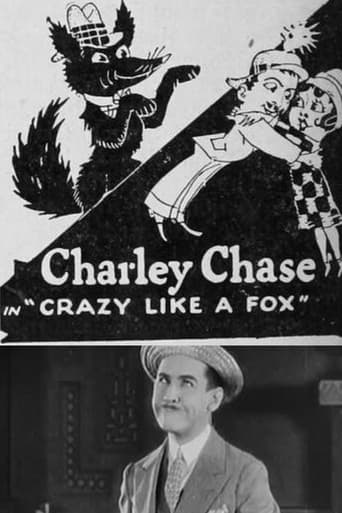
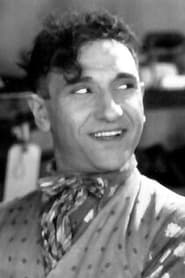
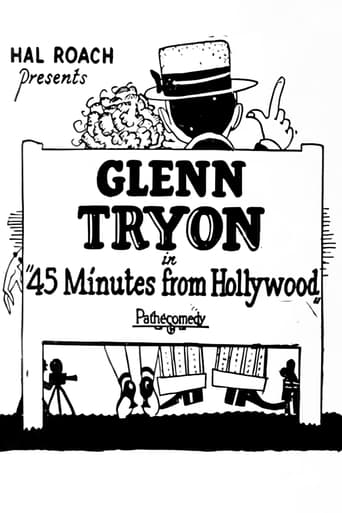
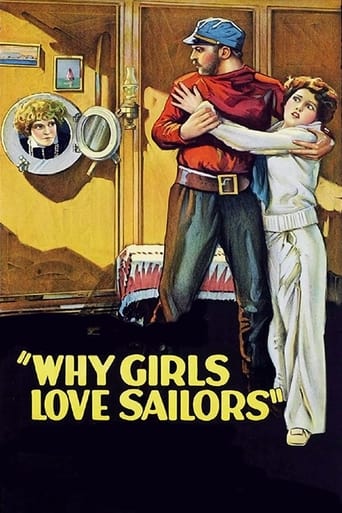
Minor American screen actor of the silent era who worked briefly in Hollywood during the mid-to-late 1920s. He is Jerry Mandy appeared in a small number of surviving films, including comedies and gangster pictures associated with the busy studio output of the period, which suggests he was the kind of dependable bit player who helped give texture and realism to ensemble productions. His known screen work places him in pictures such as Crazy Like a Fox (1926), 45 Minutes from Hollywood (1926), Raggedy Rose (1926), Why Girls Love Sailors (1927), and Underworld (1927), indicating activity during creatively fertile years in American silent cinema. Because he appears to have worked only in a narrow window and largely in supporting or unbilled roles, detailed biographical information about his personal life, training, and later career is scarce in surviving public records. He is best understood as part of the large class of working actors whose faces appeared in the background of major productions and whose contributions helped shape the look and rhythm of silent-era storytelling. Although he did not achieve star status, his presence in films associated with major directors and popular genres places him within the fabric of classic Hollywood history. His surviving credits ensure that he remains a traceable, if elusive, figure in silent film scholarship and database records.
The Craft
On Screen
No detailed critical descriptions of Jerry Mandy's acting style survive in readily available sources. Based on the types of films in which he appeared, he likely worked in the economical, highly visual performance mode typical of silent-era supporting players, relying on clear physical behavior, facial expressiveness, and readable screen presence rather than spoken dialogue. His roles appear to have been functional within ensemble scenes, helping establish social texture, comic business, or background realism. Because he was not a featured star, surviving evidence does not allow a more precise characterization of his individual technique.
Milestones
- Appeared in a cluster of notable silent-era productions in 1926 and 1927, the period in which his screen work is documented.
- Was Jerry Mandy appeared in Crazy Like a Fox (1926), a comedy feature from the peak of the silent film era.
- Appeared in 45 Minutes from Hollywood (1926), linking him to the broad studio comedy ecosystem of the 1920s.
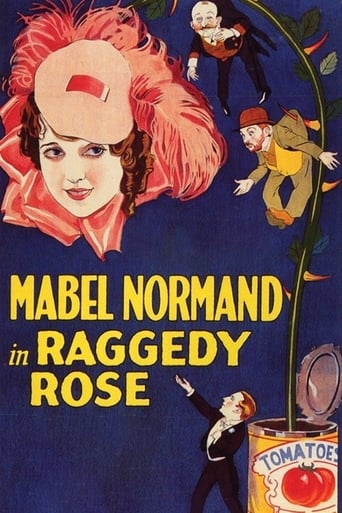
- Was part of the cast of Raggedy Rose (1926), one of the many mid-1920s features that survive as evidence of the bustling studio system.
- Acted in Why Girls Love Sailors (1927), a popular silent comedy feature.
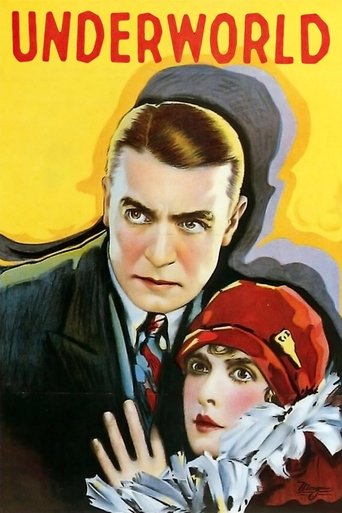
- Appeared in Underworld (1927), a landmark early gangster film now recognized as an important work in film history.
- Represents the many supporting and character players who contributed to the atmosphere of silent cinema even when they were not major stars.
Best Known For
Iconic Roles
Must-See Films
Why They Matter
Impact on Culture
Jerry Mandy's cultural impact is best understood as representative rather than star-driven: he was one of the countless working actors who gave silent films their lived-in quality. While he did not leave behind a body of work large enough to make him a household name, his participation in films like Underworld places him within one of the foundational genres of American cinema, the gangster film. Supporting players such as Mandy were essential to the studio system, filling out scenes with the social and physical detail that made silent narratives believable and lively. His brief filmography also illustrates how many performers of the period have become known today only through archival credits, yet still remain part of the historical record of early Hollywood.
Lasting Legacy
Jerry Mandy's legacy lies in his surviving screen credits and in the broader historical significance of the films in which he appeared. For film historians and database researchers, he is a reminder that classic cinema was built not only by marquee names but also by the many uncelebrated actors who passed through studio productions for short stretches of time. His presence in Underworld gives him a small but meaningful place in the genealogy of the gangster genre, while his comedy credits connect him to the broad mainstream of silent-era entertainment. Though his personal story remains largely unrecorded, his name endures in filmographies and reference works as part of the silent era's extensive roster of working performers.
Who They Inspired
There is no evidence that Jerry Mandy directly influenced major actors or directors in a documented way. His influence is best understood indirectly: he contributed to the collective performance culture of silent Hollywood, where background and supporting actors helped establish pacing, tone, and authenticity. Performers like Mandy formed the professional environment in which more prominent stars and filmmakers refined screen acting conventions. His career thus reflects the larger system of craft and repetition that shaped early American cinema.
Off Screen
Little to no verified information has survived in standard film-reference sources regarding Jerry Mandy's personal life, family background, marriage, or later years. He appears in historical records primarily through film credits rather than through biographical profiles, interviews, or studio publicity campaigns. No reliably documented details about spouses, children, schooling, or post-film career activities are readily available from the surviving public record. Like many minor silent-era actors, he seems to have left behind a professional footprint larger than his personal archive.
Education
Unknown; no reliably documented educational background has been located in standard classic-cinema reference sources.
Did You Know?
- Jerry Mandy's documented film career appears to have been extremely brief, concentrated in just 1926 and 1927.
- He is associated with both comedy and gangster films, showing the versatility expected of studio-era character players.
- Underworld (1927), one of his credited films, is now considered a landmark early gangster picture.
- He worked during the final years of the silent era, just before the industry transition to sound dramatically changed casting and performance practices.
- He appears to have left behind very little biographical documentation, making him a challenging figure for researchers.
- His surviving record is primarily a filmography, not a publicity-driven star profile.
- He exemplifies the many lesser-known actors whose work is preserved through film credits rather than interviews or memoirs.
Frequently Asked Questions
Who was Jerry Mandy?
Minor American with credits in this catalog. He is remembered primarily through his supporting roles in classic-era films rather than through star status or extensive biographical documentation.
What films is Jerry Mandy best known for?
Titles linked here include Underworld (1927), Why Girls Love Sailors (1927).
When was Jerry Mandy born and when did he die?
His birth date, birth place, and death date are not reliably documented in readily available classic-cinema reference sources. As a result, only his screen activity from 1926 to 1927 can be stated with confidence.
What awards did Jerry Mandy win?
No awards or nominations are known for Jerry Mandy in the surviving record. He appears to have worked as a supporting or minor player during the silent era, a category of performer for whom formal awards documentation was uncommon.
What was Jerry Mandy's acting style?
There is no detailed critical description of his individual style, but as a silent-era supporting actor he likely used the expressive physicality, clear gesture, and readable facial business typical of the period. His roles seem to have been functional within ensemble scenes, helping create atmosphere and continuity rather than drawing attention as a lead performer.
What is Jerry Mandy's legacy in film history?
Jerry Mandy's legacy is that of a working silent-era player whose name survives in the credits of historically important films. He represents the many unheralded actors whose performances helped define the look and rhythm of classic Hollywood cinema.