Eve's Love Letters
"Love letters meant for another man spark household chaos"
Keys: Space play/pause · ←/→ 10s · F fullscreen · M mute · </> speed
About this film
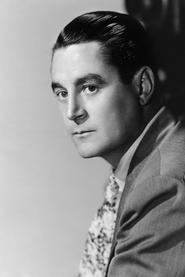
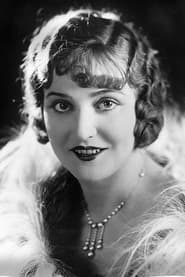
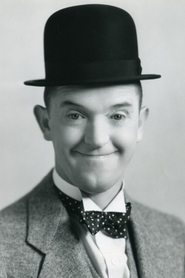
Society beauty Agnes Ayres stars as a woman whose love letters to one suitor are mistaken for another's correspondence, setting off domestic confusion. Stan Laurel, billed as her butler, quietly steals the short with shy gestures and escalating physical mishaps. Leo McCarey directed the 1927 Hal Roach two-reeler shortly before Laurel teamed formally with Oliver Hardy.
Cast & crew
More films like this
More Comedy films
View all →







More from Leo McCarey
View all →
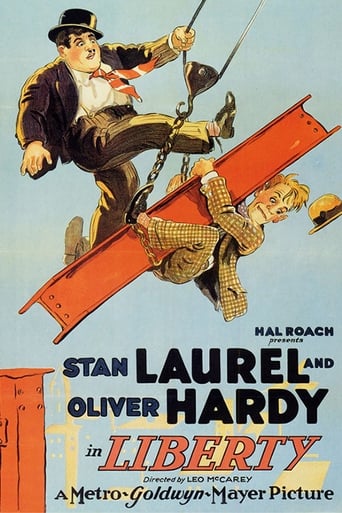
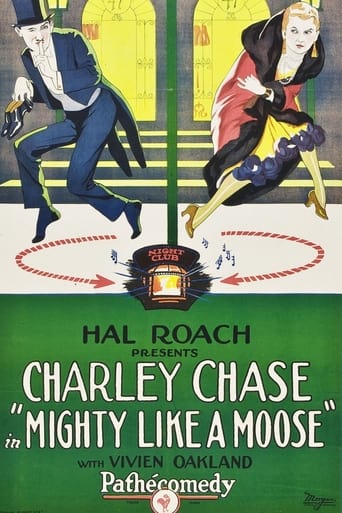

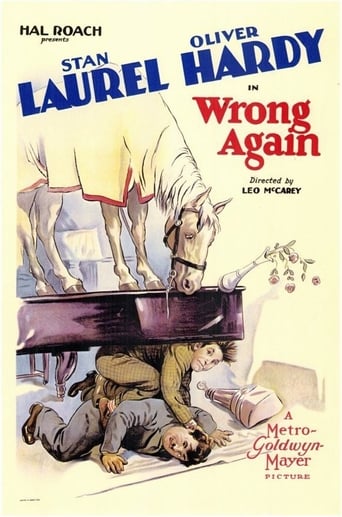
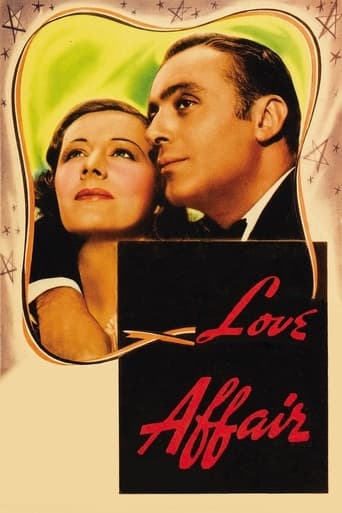
More about this film
About the production
Release dateApril 24, 1927
Box officeUnknown
ProductionHal Roach Studios
Filmed inHal Roach Studios, Los Angeles, California
This two-reel comedy short was produced during the transition period when Stan Laurel was establishing his comic persona before his famous partnership with Oliver Hardy. The picture McCarey's early directorial work at Hal Roach Studios, where he was developing his signature style of sophisticated comedy. The production took advantage of Agnes Ayres' star power, capitalizing on her recent fame from major feature films.
Themes
Mistaken identitySocial embarrassmentClass distinctionsRomantic complicationsLoyalty and service
Themes & topics
butlerlove lettersmistaken deliverysocialitecomedy of errorsscandalrecoverymisunderstandingservant-master relationship
Historical background
Roach often cast feature stars like Ayres in two-reel comedies to lend prestige while testing gag structures that would shape early sound comedy units.
Why this film matters
Laurel's supporting role here is studied as a stepping stone toward the Laurel and Hardy partnership that dominated 1930s short comedy.
Making of
The production of 'Eve's Love Letters' took place during a pivotal moment in comedy history at Hal Roach Studios. Leo McCarey, who had been honing his directorial skills at the studio, was experimenting with blending sophisticated comedy with slapstick elements. The casting of Agnes Ayres represented Roach's strategy to elevate the prestige of his short subjects by featuring established feature film stars. Stan Laurel, though not yet the iconic figure he would become, was already developing his unique comic timing and character work. the picture was shot quickly on the studio's backlot, utilizing standard sets that could be redressed for multiple productions. McCarey's direction focused on creating comedy through character reactions and situational misunderstandings rather than purely physical gags, foreshadowing his later success in feature comedy films.
What critics said
Programmers valued the star name and brisk mistaken-identity plot; silent-comedy historians note McCarey's growing preference for reaction-based humor over pure slapstick.
Did you know?
- represents one of Stan Laurel's final solo comedy shorts before his permanent partnership with Oliver Hardy was established later in 1927
- Agnes Ayres, who plays the lead, was one of the biggest female stars of the early 1920s, best known for co-starring with Rudolph Valentino in 'The Sheik' (1921)
- Director Leo McCarey would later win two Academy Awards for Best Director for 'The Awful Truth' (1937) and 'Going My Way' (1944)
- the picture was released as part of the Hal Roach 'All-Star' series, which featured established dramatic stars in comedy situations
- This short is sometimes confused with other similarly titled films from the silent era, but is distinguished by its specific cast and Hal Roach production
- the picture's title plays on the biblical reference to Eve, suggesting themes of temptation and romantic complications
- Forrest Stanley, who co-stars, was a prominent leading man in silent films who successfully transitioned to character roles in sound pictures
- the picture was released just months before the first 'official' Laurel and Hardy film, 'The Battle of the Century' (October 1927)
Visual style
The cinematography for 'Eve's Love Letters' was handled by the standard Hal Roach Studios camera department, utilizing typical silent era techniques. the picture employed medium shots and close-ups to capture character reactions, which was crucial for conveying comedy in the absence of dialogue. The lighting followed the standard three-point lighting system of the era, with particular attention to ensuring Agnes Ayres was photographed to her best advantage, given her status as a major star. The camera work was functional rather than innovative, focusing on clear storytelling and comic timing rather than visual experimentation. Interior scenes were shot on studio sets with artificial lighting, while any exterior scenes would have utilized natural light on the studio backlot.
Innovations
As a standard two-reel comedy short of its era, 'Eve's Love Letters' did not feature any notable technical innovations. the picture was shot on 35mm film using standard cameras and equipment of the period. The editing followed conventional silent comedy techniques, with particular attention to timing for comic effect. the picture's technical aspects were competent but unremarkable, representing the standard of professional studio production rather than pushing technical boundaries. The preservation of the picture's visual quality depended on the quality of the original camera negative and subsequent printing processes, which were standard for Hal Roach productions of the mid-1920s.
Music
As a silent film, 'Eve's Love Letters' had no synchronized soundtrack. During its original theatrical run, it would have been accompanied by live musical performance, typically a piano or organ in smaller theaters and a small orchestra in larger venues. The musical score would have been compiled from standard photoplay music libraries, with selections chosen to match the mood and action of each scene. Comic moments would have been underscored with lively, upbeat pieces, while romantic or dramatic scenes would have used more sentimental melodies. No original composed score was created specifically for this short, which was standard practice for two-reel comedies of the period.
Famous quotes
(Silent film - no dialogue quotes available)
Memorable scenes
- The frantic sequence where Stan Laurel attempts to retrieve the scattered love letters from various recipients, employing increasingly desperate measures including disguise and deception to protect his employer's reputation.
What audiences thought
Audience reception in 1927 was generally favorable, as the picture played well as part of theater comedy shorts programs. Viewers appreciated the novelty of seeing dramatic star Agnes Ayres in a comic role, and Stan Laurel's growing popularity contributed to the picture's success. The mistaken letter premise was a familiar and popular comedy trope that audiences of the era readily understood and enjoyed. Modern audiences who have seen the picture, primarily through silent film festivals and archives, generally appreciate it as a pleasant example of late silent comedy, though it lacks the enduring appeal of Laurel and Hardy's more famous collaborations.
Film connections
Influenced by
- Comedy of errors tradition dating back to Shakespeare
- Earlier Hal Roach comedy shorts
- Mack Sennett comedy style
- Stage farce traditions
This film influenced
- Later Laurel and Hardy shorts dealing with similar themes
- Hal Roach studio comedies featuring social situations
- 1930s screwball comedies with similar mistaken identity plots
Film restoration
The preservation status of 'Eve's Love Letters' is uncertain. Many Hal Roach shorts from this period survive in various archives, though some have been lost due to nitrate decomposition. the picture is not widely available on home video or streaming platforms, suggesting it may be either lost or held in private archives without commercial distribution. Some film historians report that copies exist in specialized film archives, but access is limited. The lack of widespread availability indicates that if the picture survives, it has not been digitally restored or made commercially accessible to modern audiences.
Where to watch
- Currently not available on major streaming platforms
- May be accessible through specialized film archives or silent film festivals
- Potentially available through film preservation societies or private collectors
- Check with the Library of Congress or UCLA Film & Television Archive for possible viewing access