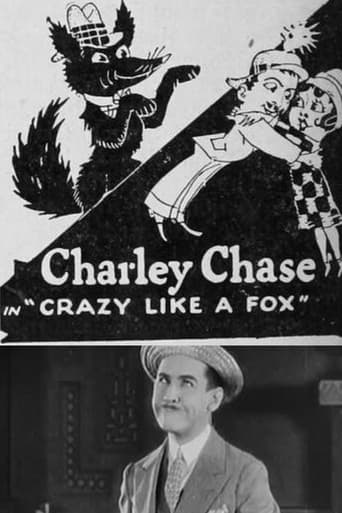
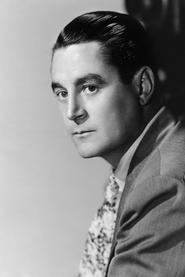
Leo McCarey
Director
Born: October 3, 1898 in Los Angeles, California, USA Died: July 5, 1969 Active: 1924-1958 Birth Name: Thomas Leo McCarey
Films
15 films
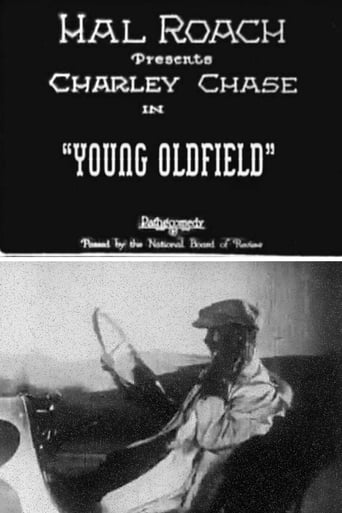
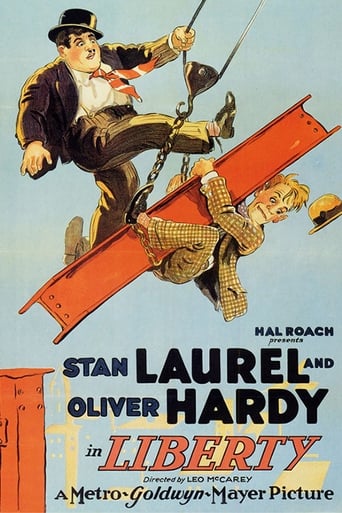
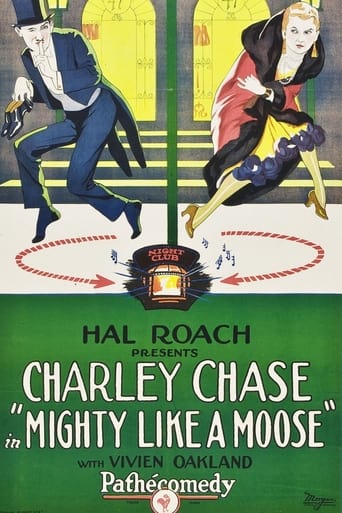

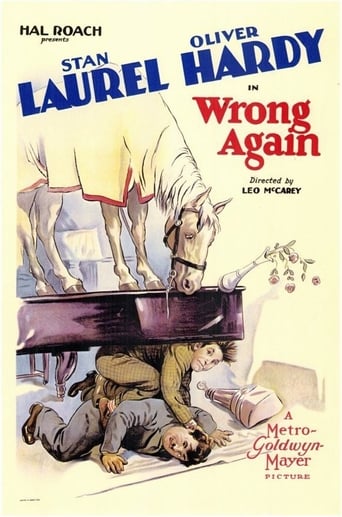
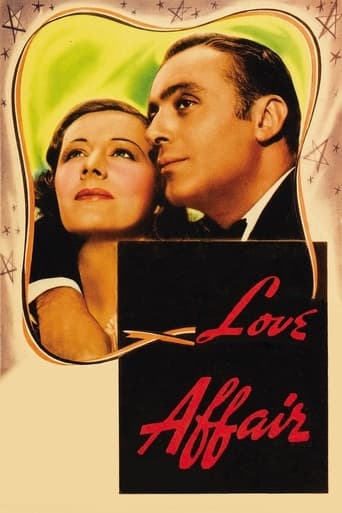
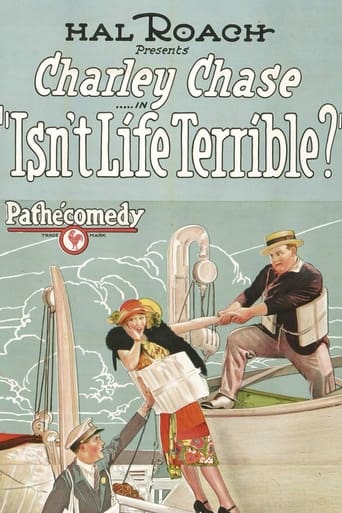
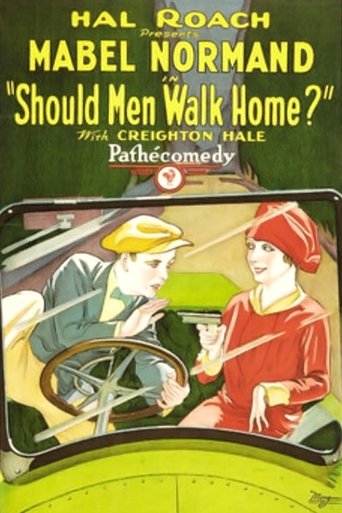
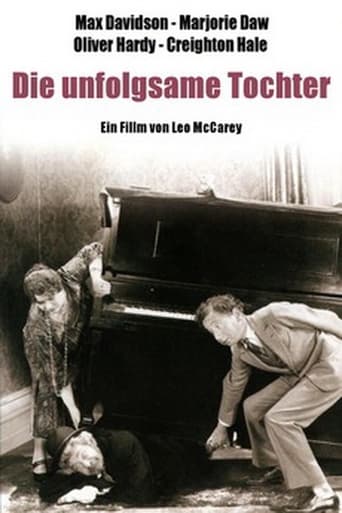
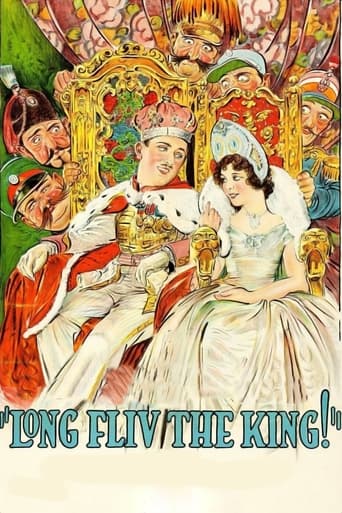
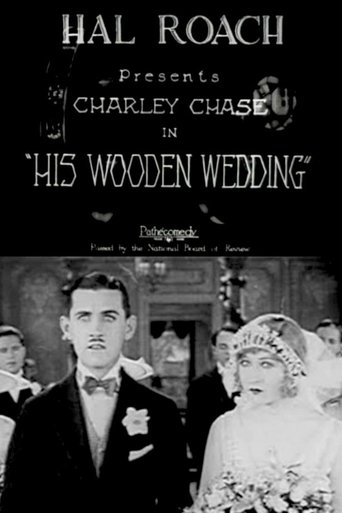
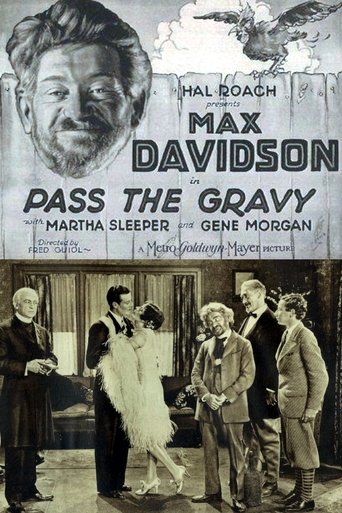
About Leo McCarey
Leo McCarey was comedy filmmakers to emerge from the silent era, later becoming a major force in early sound cinema and one of Hollywood's most admired directors. Born in Los Angeles, he first entered the film industry in the 1920s and quickly became associated with fast, improvisational screen comedy, especially through his work on Laurel and Hardy shorts and feature comedies. He earned an early reputation for extracting natural, character-based humor from performers while also shaping films with a loose, rhythmic, highly intuitive sense of timing. By the 1930s and 1940s he had broadened his range to include sophisticated romantic comedy and sentimental drama, directing some of the era's most acclaimed and enduring films, including The Awful Truth, Going My Way, and The Bells of St. Mary's. His work won major industry recognition and helped define the tone of Hollywood comedy for decades, balancing wit, warmth, and human feeling. McCarey's films often combined improvisational energy with a deeply personal moral outlook, which made him distinctive among studio-era directors. He remained active into the 1950s and is remembered as one of the key architects of classic American screen comedy and warmly humane melodrama.
The Craft
Behind the Camera
McCarey's directing style was remarkably spontaneous and character-driven, often giving the impression that scenes were discovered rather than rigidly staged. He was known for encouraging improvisation, emotional honesty, and comic behavior that felt rooted in personality rather than mechanical gag construction. In comedy, he favored timing, reaction shots, and escalating misunderstandings, but he also had a strong gift for tenderness and sentiment without collapsing entirely into sentimentality. His best-known films often move fluidly between broad humor and genuine feeling, a balance that became one of his trademarks. He was also skilled at drawing distinctive, deeply human performances from stars such as Cary Grant, Irene Dunne, and Bing Crosby.
Milestones
- Became one of the leading comedy directors of the silent era through work on shorts and features
- Helped shape the screen persona and comic style of Laurel and Hardy in the late 1920s and early 1930s
- Directed the celebrated romantic comedy The Awful Truth, widely regarded as one of the great screwball comedies
- Won Academy Awards for Best Director for Going My Way and The Bells of St. Mary's
- Directed The Awful Truth, Going My Way, and An Affair to Remember, films that remain central to classic Hollywood programming
- Worked successfully across silent comedy, screwball comedy, musical comedy, and sentimental drama
- Became one of the few directors of his era whose work was widely respected by both audiences and critics for humor and emotional sincerity
Best Known For
Must-See Films
Accolades
Won
- Academy Award for Best Director for The Awful Truth (nomination, 1937)
- Academy Award for Best Director for Going My Way (winner, 1944)
- Academy Award for Best Director for The Bells of St. Mary's (nomination, 1945)
- Academy Award for Best Director for The Bells of St. Mary's (winner, 1945)
- Academy Award for Best Screenplay for The Awful Truth (nomination, 1937)
- Academy Award for Best Original Story for Love Affair (nomination, 1939)
- Academy Award for Best Director for Make Way for Tomorrow (nomination, 1937)
- Academy Award for Best Picture as producer of Going My Way (winner, 1944)
- Academy Award for Best Picture as producer of The Bells of St. Mary's (nomination, 1945)
Nominated
- Best Director, The Awful Truth
- Best Screenplay, The Awful Truth
- Best Director, Make Way for Tomorrow
- Best Director, Going My Way
- Best Director, The Bells of St. Mary's
- Best Original Story, Love Affair
- Best Picture, Going My Way
- Best Picture, The Bells of St. Mary's
Special Recognition
- Preserved reputation as one of the great directors of classic Hollywood cinema
- Included in scholarly canons of essential American filmmakers
- Body of work frequently cited in retrospectives of screwball comedy and Hollywood sentiment
Working Relationships
Worked Often With
Studios
Why They Matter
Impact on Culture
Leo McCarey had a major impact on the development of American screen comedy by helping move it beyond purely gag-driven routines into a more character-based and emotionally elastic form. His work on Laurel and Hardy helped solidify their screen identities and established approaches to pacing, reaction, and comic escalation that would influence later comedy filmmakers. In the 1930s he helped define the sophisticated tone of screwball comedy, showing that romantic farce could be both anarchic and emotionally sincere. His later sentimental films, especially Going My Way and The Bells of St. Mary's, were enormously popular and helped shape mid-century American ideas of cinematic uplift, faith, and community. Because he combined laughter with pathos so effectively, his films have remained central to studies of Hollywood genre blending and the humanistic possibilities of studio-era filmmaking.
Lasting Legacy
McCarey's legacy rests on his extraordinary versatility and his ability to make comedy feel alive, humane, and emotionally credible. He is often discussed as one of the handful of directors who could move effortlessly from anarchic silent comedy to elegant romantic comedy to warmly devotional drama without losing his personal signature. His films continue to be screened, studied, and admired because they capture both the style and the emotional values of classical Hollywood. The enduring reputation of The Awful Truth, Make Way for Tomorrow, Going My Way, The Bells of St. Mary's, and An Affair to Remember ensures that he remains a key figure in American film history. He is also remembered as a director who understood performers profoundly, shaping roles in ways that enhanced charisma, timing, and emotional nuance. In the broader history of cinema, McCarey stands as a bridge between silent slapstick traditions and the polished, star-driven storytelling of the sound era.
Who They Inspired
McCarey's influence can be seen in later directors who blend comedy with sentiment and character observation, including filmmakers working in romantic comedy and ensemble-driven farce. His methods with improvisation and reaction-based humor influenced how later filmmakers approached comic performance, especially when allowing actors room to create organic behavior on screen. He also helped establish a template for the emotionally generous comedy-drama, where laughter and pathos are not opposites but part of the same dramatic experience. The warmth and tonal balance of his best films can be traced in later American mainstream comedies and family dramas, as well as in directors who admire classical Hollywood's ability to entertain while still expressing moral feeling.
Off Screen
Leo McCarey was born in Los Angeles and spent much of his career working within the Hollywood studio system. He was married to Stella Martin McCarey, and the couple had one child. Unlike some of his contemporaries, he was not primarily known for a highly public scandal-ridden personal life, and much of what survives about him centers on his work and his professional reputation. Accounts of his personality often emphasize his warmth, charm, and sensitivity, qualities that were said to inform his best films. He also experienced periods of career fluctuation, including changes in studio relationships and shifts in critical reputation, but he remained a respected figure in the industry.
Education
He attended Loyola High School and later studied at the University of Southern California, though his career in film soon became his primary education in storytelling and production.
Family
- Stella Martin McCarey
Did You Know?
- McCarey began in the film industry during the silent era and became especially important at Hal Roach Studios, a key comedy factory of the 1920s and 1930s.
- He is often credited with helping shape the screen comic rhythm of Laurel and Hardy, one of cinema's most famous comedy duos.
- Duck Soup, now considered one of the Marx Brothers' greatest films, was directed by McCarey.
- Make Way for Tomorrow is often cited as.
- He won two Academy Awards for Best Director, a significant achievement in the Golden Age studio system.
- Going My Way was one of the biggest hits of the 1940s and made Bing Crosby an even larger screen star.
- He directed An Affair to Remember, which became.
- His films frequently mix humor with sentiment in ways that can feel improvisational, even when carefully constructed.
- He is sometimes grouped with auteurs of classic Hollywood because his films are recognizably personal despite being made within the studio system.
- His career demonstrates an unusual span from silent-era slapstick to polished postwar romantic melodrama.
In Their Own Words
I cannot verify a documented signature quote attributable with confidence to Leo McCarey.
Contemporary accounts often describe his directing philosophy as favoring spontaneity and emotional truth, but a reliable canonical quotation is not readily established.
Frequently Asked Questions
Who was Leo McCarey?
Major American on YTB.my. He helped shape the style of early screen comedy and directed several of the most enduring films of the 1930s and 1940s.
What films is Leo McCarey best known for?
Titles linked here include The Awful Truth (1937), Going My Way (1944).
When was Leo McCarey born and when did he die?
Born October 3, 1898; died July 5, 1969.
What awards did Leo McCarey win?
He won Academy Awards for Best Director for Going My Way and The Bells of St. Mary's, and he also won Best Picture as producer of Going My Way. He received several additional Oscar nominations for directing, writing, and producing across his career.
What was Leo McCarey's directing style?
McCarey was known for a spontaneous, character-centered style that encouraged natural behavior and emotional truth. His films often blend comedy, tenderness, and pathos, with a strong sense of timing and reaction.
What was Leo McCarey's legacy in film history?
His legacy lies in helping define American screen comedy and in showing how humor could coexist with deep sentiment. He remains one of the key directors of classic Hollywood, admired for both his comic brilliance and his humane storytelling.