
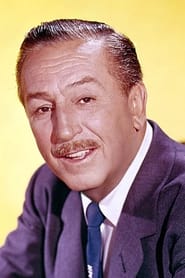
Walt Disney
Actor & Director
Born: December 5, 1901 in Chicago, Illinois, USA Died: December 15, 1966 Active: 1921-1966 Birth Name: Walter Elias Disney
Films
77 films
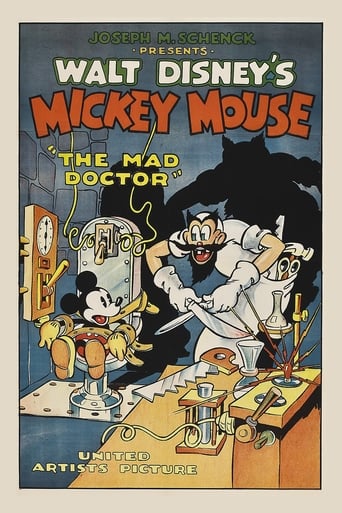
The Mad Doctor
1933
The Plowboy
1929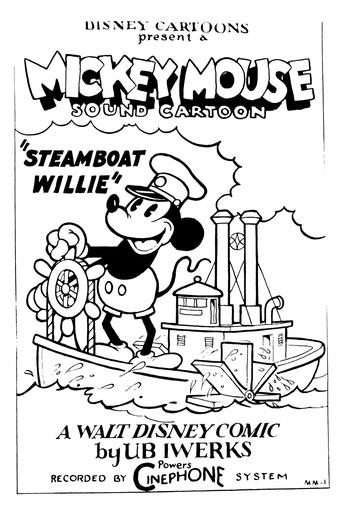
Steamboat Willie
1928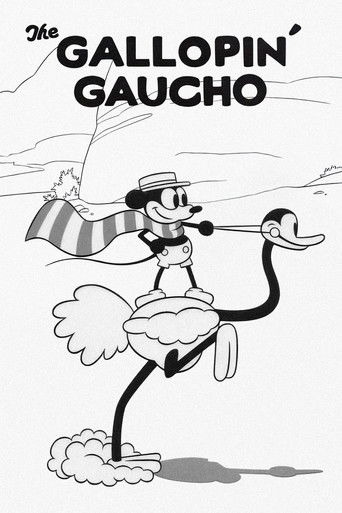
The Gallopin' Gaucho
1928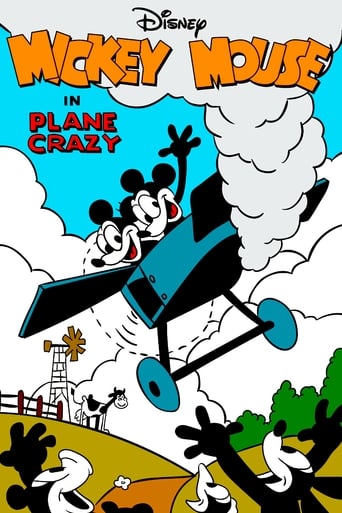
Plane Crazy
1928
Alice the Toreador
1925
Alice's Wonderland
1923
Cinderella
1922
Little Red Riding Hood
1922
Alice's Balloon Race
1926
Alice's Egg Plant
1925
Alice's Day at Sea
1924
Alice's Mysterious Mystery
1926
Alice's Orphan
1926
Alice's Wild West Show
1924
Alice's Spooky Adventure
1924
Alice's Tin Pony
1925
Alice Chops the Suey
1925
Alice Gets in Dutch
1924
Alice Gets Stung
1925
Alice Picks the Champ
1925
Alice Rattled by Rats
1925
Alice and the Dog Catcher
1924
Alice and the Three Bears
1924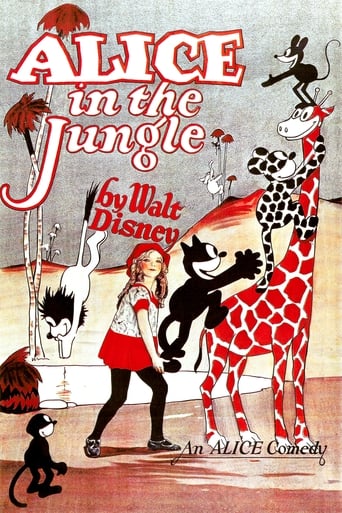
Alice in the Jungle
1925
Alice in the Wooly West
1926
Alice on the Farm
1926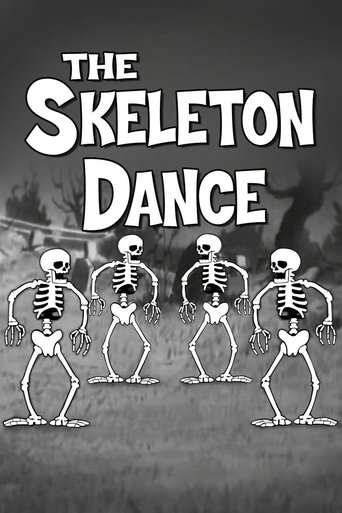
The Skeleton Dance
1929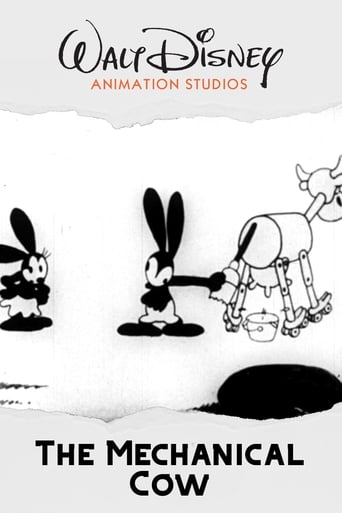
The Mechanical Cow
1927
Puss in Boots
1922
Mickey's Follies
1929
Hungry Hoboes
1928
Alice the Jail Bird
1925No Poster
Tommy Tucker's Tooth
1922
Great Guns
1927
The Four Musicians of Bremen
1922
The Haunted House
1929
The Ocean Hop
1927
All Wet
1927
Newman Laugh-O-Grams
1921
Jack the Giant Killer
1922
Jungle Rhythm
1929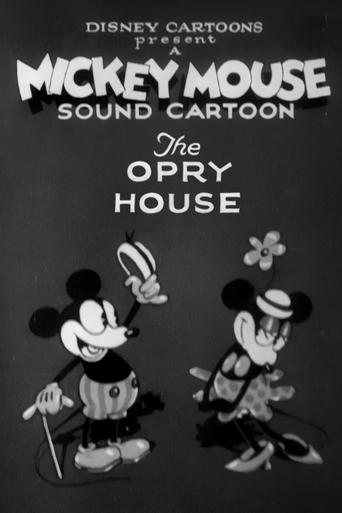
The Opry House
1929
The Karnival Kid
1929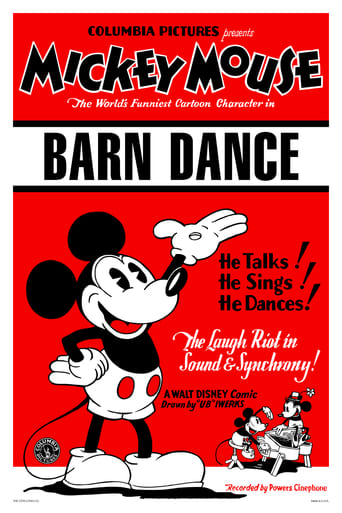
The Barn Dance
1929
Mickey's Choo-Choo
1929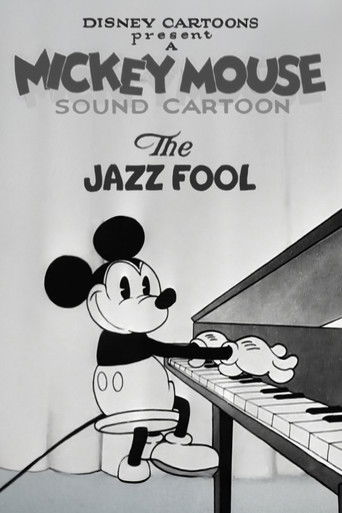
The Jazz Fool
1929
Wild Waves
1929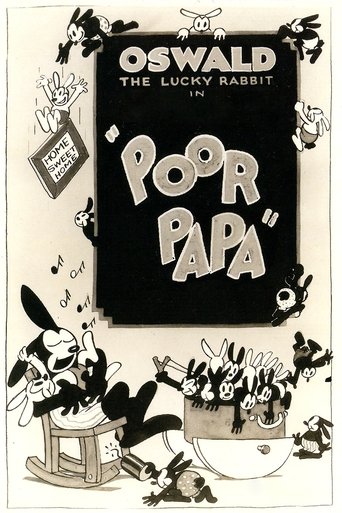
Poor Papa
1928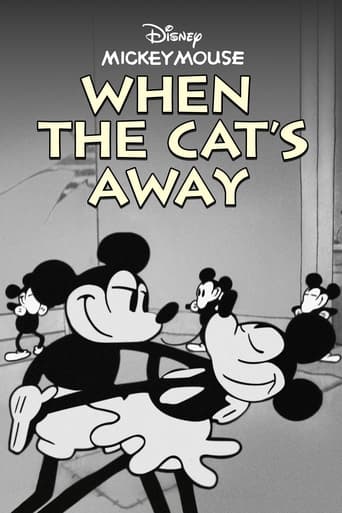
When the Cat's Away
1929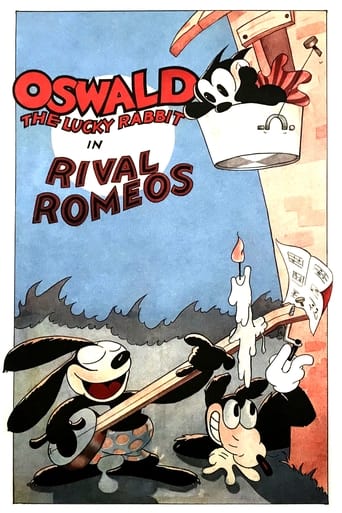
Rival Romeos
1928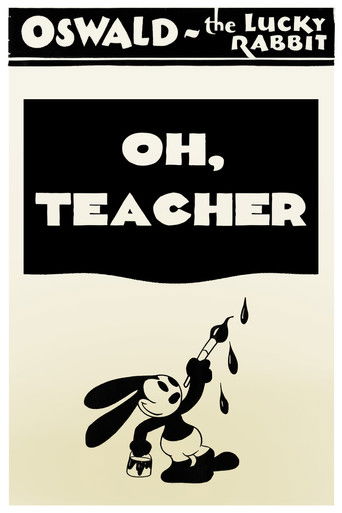
Oh, Teacher!
1927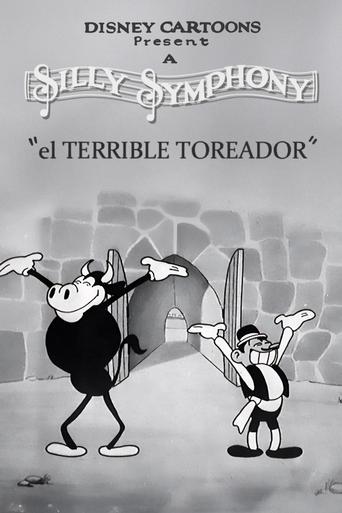
El Terrible Toreador
1929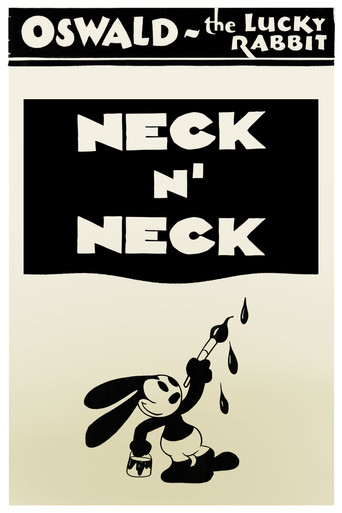
Neck 'n' Neck
1928
The Merry Dwarfs
1929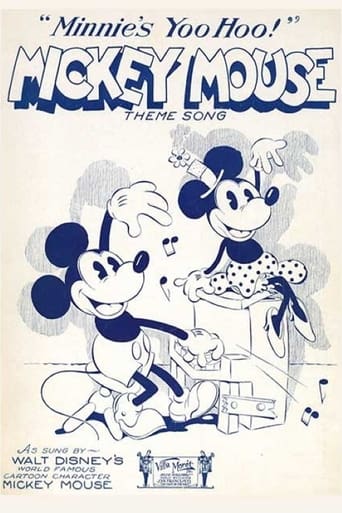
Minnie's Yoo Hoo
1930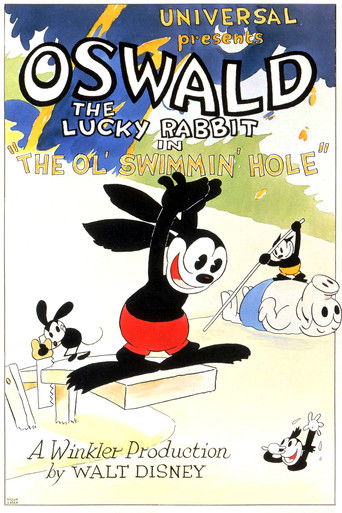
The Ol' Swimmin' Hole
1928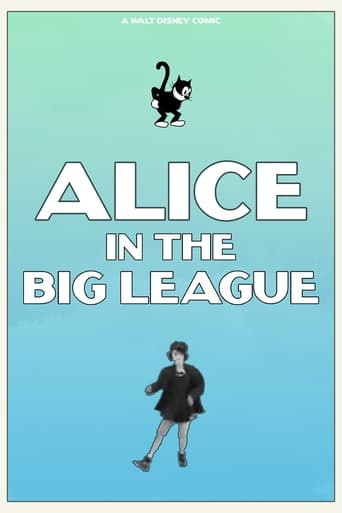
Alice in the Big League
1927
Oh, What a Knight
1928
Ozzie of the Mounted
1928
Trolley Troubles
1927
The Barnyard Concert
1930
Alice's Brown Derby
1926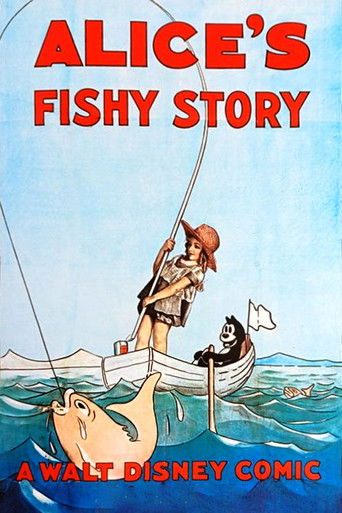
Alice's Fishy Story
1924
Alice's Little Parade
1926
Alice Loses Out
1925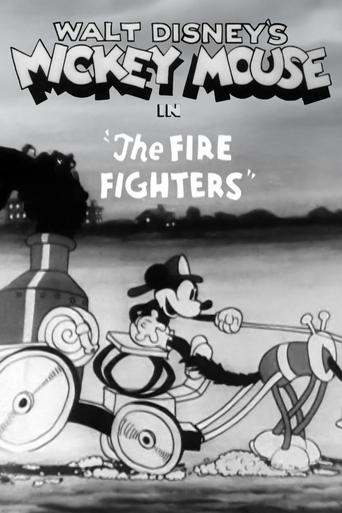
The Fire Fighters
1930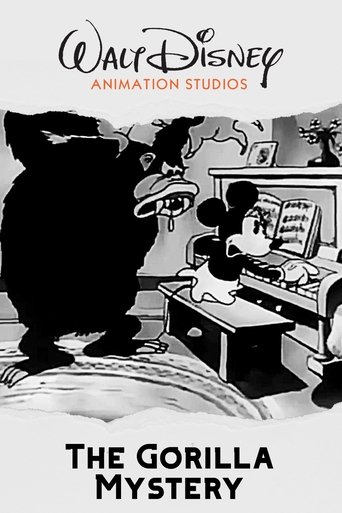
The Gorilla Mystery
1930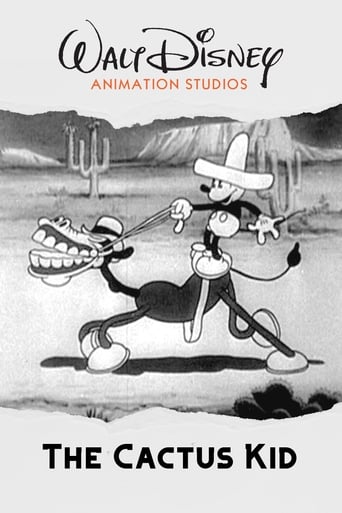
The Cactus Kid
1930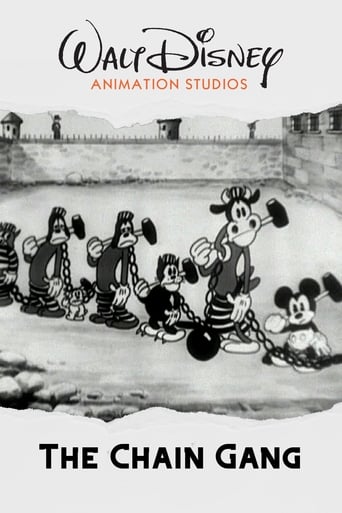
The Chain Gang
1930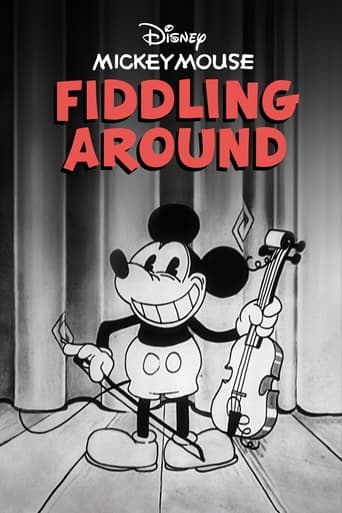
Fiddling Around
1930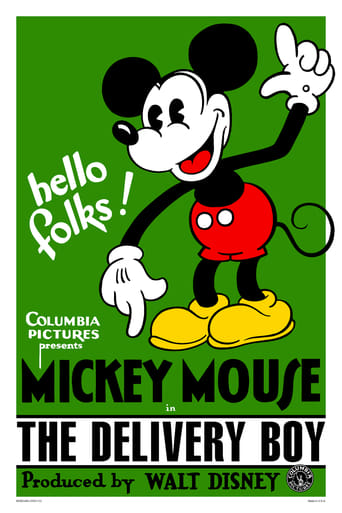
The Delivery Boy
1931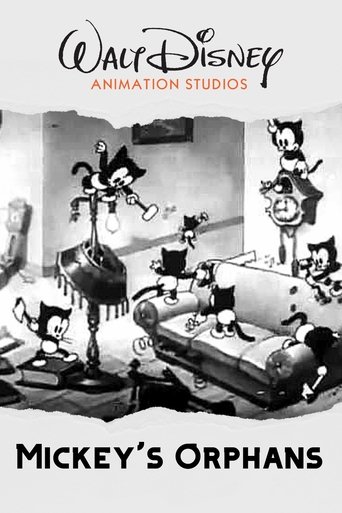
Mickey's Orphans
1931
Blue Rhythm
1931
The Moose Hunt
1931
Mickey Steps Out
1931About Walt Disney
Walt Disney was born in Chicago in 1901 and developed an early passion for drawing and animation. After serving as an ambulance driver in World War I, he moved to Kansas City where he created his first animated series, the Laugh-O-Grams, which were modernized fairy tales shown at local theaters. Following the bankruptcy of his first studio, Disney moved to Hollywood in 1923 and founded the Disney Brothers Studio with his brother Roy. He pioneered the Alice Comedies series, which combined live-action with animation, before creating the character Oswald the Lucky Rabbit. After losing the rights to Oswald, Disney and Ub Iwerks created Mickey Mouse, who debuted in the synchronized sound cartoon Steamboat Willie (1928). Throughout the 1920s and early 1930s, Disney personally directed many early shorts and provided the voice for Mickey Mouse until 1947. His innovations in animation technology and storytelling revolutionized the industry, leading to the first full-length animated feature, Snow White and the Seven Dwarfs (1937), and the establishment of Disneyland in 1955.
The Craft
On Screen
As a voice actor, Disney provided the high-pitched, energetic voice for Mickey Mouse from 1928 to 1947, characterized by its distinctive falsetto tone and cheerful, optimistic delivery that perfectly captured the character's personality.
Behind the Camera
Disney's early directing approach emphasized innovation in animation techniques, synchronization of sound and movement, and storytelling that appealed to both children and adults. He pioneered the use of storyboards and insisted on realistic motion through extensive study of live-action reference footage.
Milestones
- Created Mickey Mouse in 1928
- Released first synchronized sound cartoon Steamboat Willie (1928)
- Produced first Technicolor cartoon Flowers and Trees (1932)
- Released first feature-length animated film Snow White and the Seven Dwarfs (1937)
- Won record 26 Academy Awards
- Opened Disneyland theme park in 1955
- Pioneered audio-animatronics technology
Best Known For
Iconic Roles
Must-See Films
Accolades
Won
- Academy Award for Best Short Subject (Cartoon) - Flowers and Trees (1932)
- Academy Award for Best Short Subject (Cartoon) - Three Little Pigs (1933)
- Academy Award for Best Short Subject (Cartoon) - The Tortoise and the Hare (1934)
- Academy Award for Best Short Subject (Cartoon) - Three Orphan Kittens (1935)
- Academy Award for Best Short Subject (Cartoon) - The Country Cousin (1936)
- Academy Award for Best Short Subject (Cartoon) - The Old Mill (1937)
- Academy Honorary Award for Snow White and the Seven Dwarfs (1939)
- Academy Award for Best Short Subject (Cartoon) - Ferdinand the Bull (1938)
- Academy Award for Best Short Subject (Cartoon) - The Ugly Duckling (1939)
- Academy Award for Best Short Subject (Cartoon) - Lend a Paw (1941)
- Irving G. Thalberg Memorial Award (1942)
- Academy Award for Best Short Subject (Two-reel) - The Grand Canyon (1959)
- Academy Award for Best Short Subject (Live Action) - The Living Desert (1954)
- Academy Award for Best Documentary Feature - The Vanishing Prairie (1955)
- Golden Globe - Cecil B. DeMille Award (1953)
Nominated
- Academy Award for Best Picture - Mary Poppins (1965)
- Academy Award for Best Director - Mary Poppins (1965)
- Academy Award for Best Original Screenplay - Mary Poppins (1965)
- Multiple nominations for Best Short Subject throughout 1930s-1950s
Special Recognition
- Hollywood Walk of Fame star (1960)
- Presidential Medal of Freedom (1964)
- Congressional Gold Medal (1968, posthumous)
- Disneyland dedicated as National Historic Site
- Walt Disney World opened posthumously (1971)
- Disney Company continues to honor his legacy through various awards and recognitions
Working Relationships
Worked Often With
Studios
Why They Matter
Impact on Culture
Walt Disney fundamentally transformed American entertainment and popular culture through his innovations in animation and storytelling. His creation of synchronized sound cartoons revolutionized the industry, while his development of full-length animated features established animation as a legitimate art form for all audiences. Disney's characters became global cultural icons, with Mickey Mouse serving as. His theme parks redefined family entertainment and created the concept of immersive themed entertainment that influenced countless industries. Disney's emphasis on family-friendly content and moral storytelling shaped generations of children's entertainment and established standards that persist in children's media today.
Lasting Legacy
Walt Disney's legacy extends far beyond animation into global entertainment, technology, and cultural influence. The Walt Disney Company he founded has become one of the world's largest media conglomerates, continuing to produce films, television shows, and theme park attractions that entertain millions annually. His innovations in animation technology, including the multiplane camera and Technicolor integration, advanced the entire field of animation. Disney's business model of creating characters and stories that could be merchandised across multiple platforms became the standard for modern entertainment companies. His vision of 'plussing' - constantly improving and enhancing experiences - continues to influence creative industries worldwide.
Who They Inspired
Disney influenced countless animators, filmmakers, and entertainment entrepreneurs, including Hayao Miyazaki, Steven Spielberg, George Lucas, and John Lasseter. His storytelling techniques and character development methods became foundational texts for animation education. The Disney studio's training program created generations of animators who spread Disney's principles throughout the industry. His approach to brand management and cross-platform entertainment influenced modern media conglomerates. The theme park industry owes its existence to Disney's vision, with parks worldwide following his model of immersive storytelling and attention to detail.
Off Screen
Walt Disney married Lillian Bounds in 1925, a fellow studio employee who worked as an ink-and-paint artist. They had two daughters, Diane and Sharon (adopted). Disney was known as a devoted family man who often took his daughters to amusement parks, which inspired his vision for Disneyland. He was a heavy smoker throughout his adult life, which contributed to his death from lung cancer at age 65. Despite his public image as a warm, grandfatherly figure, Disney was known as a demanding perfectionist in his professional life.
Education
Attended McKinley High School in Chicago, took night classes at the Chicago Academy of Fine Arts, briefly attended Kansas City Art Institute and School of Design
Family
- Lillian Bounds (1925-1966, his death)
Did You Know?
- Was the voice of Mickey Mouse for 20 years, from 1928 to 1947
- Holds the record for most Academy Awards won by an individual (26 competitive awards and 4 honorary awards)
- His favorite character was Goofy
- Had a secret apartment above the fire station on Main Street in Disneyland
- Was a founding member of the anti-communist Motion Picture Alliance for the Preservation of American Ideals
- Testified before the House Un-American Activities Committee in 1947
- His original name for Mickey Mouse was Mortimer Mouse, but his wife Lillian suggested Mickey instead
- Was a train enthusiast and built a miniature railroad in his backyard called the Carolwood Pacific Railroad
- The last film he personally oversaw production on was The Jungle Book (1967)
- His death certificate listed his occupation as 'Motion Picture Producer'
In Their Own Words
All our dreams can come true, if we have the courage to pursue them.
If you can dream it, you can do it.
The way to get started is to quit talking and begin doing.
It's kind of fun to do the impossible.
I only hope that we don't lose sight of one thing - that it was all started by a mouse.
We keep moving forward, opening new doors, and doing new things, because we're curious and curiosity keeps leading us down new paths.
Animation can explain whatever the mind of man can conceive. This facility makes it the most versatile and explicit means of communication yet devised for quick mass appreciation.
Frequently Asked Questions
Who was Walt Disney?
American animator, film producer, on YTB.my. He pioneered animation techniques, created Mickey Mouse, and revolutionized family entertainment through animated films and theme parks.
What films is Walt Disney best known for?
Titles linked here include Steamboat Willie (1928), Snow White and the Seven Dwarfs (1937).
When was Walt Disney born and when did he die?
Born December 5, 1901; died December 15, 1966.
What awards did Walt Disney win?
Disney won a record 26 Academy Awards, including 4 honorary awards, plus the Irving G. Thalberg Memorial Award. He also received the Presidential Medal of Freedom and the Congressional Gold Medal, among numerous other honors.
What was Walt Disney's directing style?
Disney's directing style emphasized technological innovation, synchronized sound and movement, and storytelling that appealed to all ages. He pioneered storyboards, insisted on realistic animation through live-action reference, and maintained high standards of quality and perfectionism.
Did Walt Disney actually draw Mickey Mouse?
While Disney conceived Mickey Mouse's character and personality, the initial design and animation were primarily done by Ub Iwerks. Disney provided Mickey's voice from 1928 to 1947 and maintained creative oversight of all Mickey Mouse productions.
What was Walt Disney's role in the early Laugh-O-Gram films?
Disney directed, animated, and produced the Laugh-O-Gram series (1921-1923) in Kansas City, which were modernized versions of fairy tales. These early shorts demonstrated his innovative storytelling techniques and animation style before he moved to Hollywood.
How did Walt Disney influence modern entertainment?
Disney revolutionized animation technology, established the template for family entertainment, created the modern theme park industry, and pioneered cross-platform media franchises. His emphasis on quality, innovation, and brand management continues to influence entertainment companies worldwide.