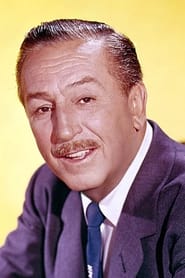

The Four Musicians of Bremen
"Four animal musicians consisting of a Horse"
Keys: Space play/pause · ←/→ 10s · F fullscreen · M mute · </> speed
About this film
Four animal musicians consisting of a Horse, Cat, Dog, & Rooster set out on their own quest to try to find some fame by playing their own music. Unfortunitly every where they go, trouble always occurs whether they are being chased by town folk, a sword fish, or being attacked.
Cast & crew
More films like this

More Animation films
View all →



More from Walt Disney
View all →

More about this film
About the production
Release date1922
Box officeUnknown (early animated shorts typically rented to theaters rather than sold)
ProductionLaugh-O-Gram Studio
Filmed inKansas City, Missouri
This was one of the last films produced by Disney's Laugh-O-Gram Studio before it went bankrupt. The animation was created using traditional hand-drawn techniques on paper, with each frame drawn individually. The film was produced during a challenging period when Disney was struggling financially, living and working in a small office space.
Themes
Friendship and cooperationFinding new purpose in lifeOvercoming adversity through unityThe value of the elderly and experiencedPerseverance in the face of rejection
Themes & topics
animalsmusiciansjourneyfriendshipadventurefairy tale adaptationteamworkovercoming obstaclesagingrejectionnew beginning
Historical background
Silent-era production in 1922 relied on intertitles, live accompaniment, and studio systems that were rapidly consolidating into national industries.
Why this film matters
The Four Musicians of Bremen remains part of the screen heritage of its era, offering evidence of prevailing genres, production methods, and audience tastes. Later revivals, archive screenings, and digitization have kept such titles accessible to researchers and dedicated viewers long after their first commercial runs.
Making of
The Four Musicians of Bremen was produced at Disney's first professional animation studio, Laugh-O-Gram, in Kansas City. Disney and his small team of animators worked in primitive conditions, often sleeping at the studio to save money. The animation process involved drawing each frame on paper, photographing them one by one, and then developing the film. Disney reportedly recruited local high school students to help with the inking and coloring process. The studio faced constant financial difficulties, and Disney struggled to pay his employees. Despite these challenges, the films showed remarkable innovation for their time, with Disney experimenting with character animation techniques that would later become his trademark. The studio's failure led Disney to Hollywood with only a few dollars and his unfinished work, but the experience proved invaluable for his future success.
What critics said
Trade and newspaper reviews from the silent period for The Four Musicians of Bremen survive only in fragments, making precise reception history difficult to reconstruct. Modern assessment tends to emphasize historical value, craft, and cultural context rather than box-office performance.
Did you know?
- This was one of Walt Disney's earliest animated works, created when he was only 20 years old
- The film was part of Disney's Laugh-O-Gram series, which consisted of modernized fairy tale adaptations
- The Laugh-O-Gram Studio went bankrupt shortly after this film was produced, leading Disney to move to Hollywood
- This adaptation predates Disney's more famous character-based animations by several years
- The film was silent, as synchronized sound in animation wouldn't be achieved until Disney's 'Steamboat Willie' in 1928
- Only a few of Disney's Laugh-O-Gram films survive today, making this a rare piece of animation history
- The animation style shows early Disney experimentation with character expression and movement
- This was one of approximately seven fairy tale adaptations Disney produced at Laugh-O-Gram Studio
- The film demonstrates Disney's early interest in adapting classic literature for animation
- The bankruptcy of Laugh-O-Gram Studio led Disney to create his first successful character, Oswald the Lucky Rabbit, in Hollywood
Visual style
As an animated film, the cinematography consisted of the animation camera setup used to photograph the hand-drawn frames. The technique involved mounting drawings on a registration board and photographing them one frame at a time. The animation shows early experimentation with camera movement and perspective, though limited by the technology of the time. The black and white presentation was standard for the period, with no color tinting reported for this particular film.
Innovations
The film demonstrated early innovations in character animation and storytelling structure. Disney experimented with more fluid character movement and expressive animation than was typical for the period. The use of multiple protagonists with distinct personalities was relatively sophisticated for a 1922 animated short. The film also showed early attempts at narrative complexity beyond simple gag-based animation. While technically primitive by modern standards, these elements represented significant steps forward in animation technique.
Music
As a silent film, The Four Musicians of Bremen had no synchronized soundtrack. In theaters, it would have been accompanied by live musical performance, typically a pianist or organist who would improvise or use suggested cue sheets. The musical accompaniment would have been tailored to match the action on screen, with different themes for the characters and dramatic moments. The title's reference to musicians suggests the live accompaniment would have been particularly important to the viewing experience.
Memorable scenes
- The four animals meeting and deciding to journey together to Bremen
- The animals using their musical abilities to frighten away robbers
- The final scene where the animals find their new home and perform together
What audiences thought
Audience reception from 1922 is not well-documented, as these shorts were typically rented to theaters as part of variety programs. The Laugh-O-Gram films were distributed regionally rather than nationally, limiting their exposure. Modern audiences who have seen the film through archival screenings or home video releases generally view it with historical interest, appreciating it as an early example of Disney's work and the evolution of animation as an art form.
Film connections
Influenced by
- Grimm Brothers fairy tales
- Contemporary animation styles of the early 1920s
- Vaudeville performance traditions
- Silent film comedy conventions
This film influenced
- Later Disney fairy tale adaptations
- Disney's 'Silly Symphonies' series
- Various animated adaptations of 'The Bremen Town Musicians'
Film restoration
The film is partially preserved, with some sources indicating it exists in archives though it may not be complete. As one of Disney's early Laugh-O-Gram films, it is considered rare and historically significant. The survival rate of films from this period, particularly animated shorts, is low, making any existing copies valuable to animation history.
Where to watch
- The film is extremely rare and not widely available. It may occasionally be screened at animation festivals or museum exhibitions focusing on early animation. Some archives and special collections may hold copies for research purposes. It is not currently available on mainstream streaming platforms or home video.