Alice Gets Stung
"Bear, rabbit, and cartoon comeuppance"
Keys: Space play/pause · ←/→ 10s · F fullscreen · M mute · </> speed
About this film
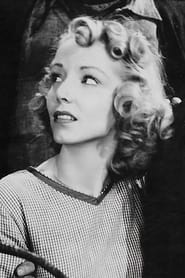
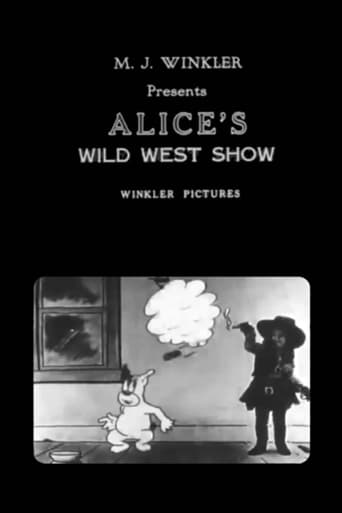
Alice and her animated cat Julius go hunting—rabbits for him, bears for her—with predictable animal revenge. Walt Disney's 1925 Alice Comedy blends live-action Alice (Virginia Davis) with cartoon creatures.
Cast & crew
More films like this


More Animation films
View all →


More from Walt Disney
View all →

More about this film
About the production
Release dateMarch 15, 1925
Box officeUnknown (distributed as part of theater packages)
ProductionDisney Brothers Cartoon Studio, M.J. Winkler Productions (distributor)
Filmed inLos Angeles, California (Disney's first studio on Kingswell Avenue)
This was one of the later Alice Comedies produced before Disney lost the rights to the character. The film presents the increasingly sophisticated animation techniques Disney was developing, including more fluid character movement and better integration between live-action and animation elements. The production used the innovative combination of live-action Alice interacting with animated characters, a technique that would later influence Disney's 'Song of the South' and 'Mary Poppins.'
Themes
Respect for wildlifeThe consequences of huntingHuman-animal relationshipsComing-of-age lessonsNature versus civilization
Themes & topics
Historical background
Alice Gets Stung belongs to Disney's Kansas City/L.A. transitional series before Oswald and Mickey. The mix of live girl and drawn animals defined the Alice Comedies.
Why this film matters
The Alice Comedies series, including 'Alice Gets Stung,' represents a crucial transitional period in animation history and Disney's development as a storyteller. These films helped establish Disney's reputation for quality animation and innovative techniques. The series demonstrated early Disney's commitment to combining different media, a philosophy that would culminate in later features like 'Mary Poppins.' The moral lesson about respecting wildlife reflected changing American attitudes toward nature and conservation in the 1920s. Virginia Davis became one of the first child stars in animation, paving the way for later child performers in family entertainment. The technical innovations in blending live-action and animation influenced generations of filmmakers and established techniques still used in modern visual effects.
Making of
The production of 'Alice Gets Stung' took place at Disney's small studio on Kingswell Avenue in Los Angeles, where the young Walt Disney and his brother Roy were still building their reputation. Virginia Davis had to perform her scenes multiple times to match the timing of the animated sequences that would later be added. The animation team, which included Ub Iwerks and other early Disney animators, worked long hours to create the fluid movements of Julius the Cat and the various animals. The integration technique required careful planning, as animators had to match their drawings precisely to the live-action footage. The film's production was rushed to meet distributor deadlines, a common practice that would continue throughout Disney's early years. The hunting sequences allowed the animators to experiment with more dynamic action and chase scenes, helping to develop techniques that would later be used in Mickey Mouse cartoons.
What critics said
Animation historians treat it as a stepping stone in Disney's technique; it is less celebrated than later Mickey shorts but illustrates 1920s hybrid animation.
Did you know?
- This was the 44th Alice Comedy produced by Disney
- Virginia Davis, who played Alice, was only 7 years old when was made
- Julius the Cat was one of Disney's first recurring animated characters and was essentially an early prototype for Mickey Mouse
- The Alice Comedies were Disney's first successful series, keeping the studio financially viable before Mickey Mouse
- was produced during a period when Disney was struggling to maintain creative control over his work
- The hunting theme reflects popular outdoor recreation trends of the 1920s
- The film's moral about not bothering animals was somewhat progressive for its time
- Animation was done on a budget using rice paper for cels instead of the more expensive celluloid
- The live-action segments were filmed first, then the animation was added around Virginia Davis's performance
- This was among the last Alice Comedies before Disney created Oswald the Lucky Rabbit
Visual style
The cinematography of 'Alice Gets Stung' involved the complex process of combining live-action photography with animation. The live-action segments were filmed using standard 1920s black and white cameras, with careful attention to lighting and composition to facilitate the later addition of animated elements. The animation was photographed frame by frame using rostrum cameras, with animators matching the perspective and scale of the live-action footage. The integration technique required precise matte work and careful timing to create the illusion of interaction between Alice and the animated characters. The hunting sequences allowed for dynamic camera movements and compositions that showcased the increasingly sophisticated visual storytelling of the Disney studio.
Innovations
The Alice Comedies series pioneered several technical innovations in animation, including improved methods for combining live-action and animation. 'Alice Gets Stung' demonstrated advances in character animation, with more fluid and naturalistic movement for Julius the Cat compared to earlier entries in the series. The film also showcased improved timing and synchronization between the live-action and animated elements. Disney's team developed techniques for creating more convincing depth and perspective in the animated sequences, helping to integrate the two media more seamlessly. These technical achievements laid groundwork for later Disney innovations in animation and visual effects.
Music
As a silent film, 'Alice Gets Stung' would have been accompanied by live musical performance in theaters. Typical accompaniment would include piano or organ music, with the score often improvised by the theater musician to match the on-screen action. The hunting sequences would have been accompanied by more dramatic, percussive music, while the comedic moments would feature lighter, more playful melodies. No original composed score exists for this short, as was common for animated shorts of this era. The music would have followed the standard practices of silent film accompaniment, with leitmotifs for different characters and musical cues synchronized with key actions and emotional beats.
Famous quotes
(Silent film - no dialogue, but intertitles would include moral messages about respecting wildlife)
Memorable scenes
- The climactic scene where Alice and Julius are both chased by the animals they were hunting, featuring seamless integration of live-action and animation as Virginia Davis runs from an animated bear while Julius is pursued by a mob of rabbits
What audiences thought
The Alice Comedies were popular with theater audiences of the 1920s, particularly children and families. 'Alice Gets Stung' and other shorts in the series were successful enough to keep the Disney studio financially viable during its early years. Audiences enjoyed the novelty of seeing a real girl interact with cartoon characters, and Julius the Cat developed a following among viewers. The films were often shown as part of theater programs alongside newsreels and other shorts, providing family-friendly entertainment. The hunting theme resonated with rural audiences while the animation appealed to urban viewers, giving the series broad demographic appeal.
Film connections
Influenced by
- Earlier silent comedy shorts
- Contemporary hunting films
- Vaudeville comedy routines
- Winsor McCay's animation techniques
- Felix the Cat cartoons
This film influenced
- Later Alice Comedies
- Oswald the Lucky Rabbit shorts
- Early Mickey Mouse cartoons
- Song of the South
- Mary Poppins
- Who Framed Roger Rabbit
Film restoration
The film is preserved in the Disney archives and has been restored for home video release. Several copies exist in film archives and private collections. The restoration work has preserved both the live-action and animated elements, though some wear is visible due to the film's age and the degradation of the original nitrate stock.
Where to watch
- Disney+ (as part of classic shorts collection)
- Various public domain compilation DVDs
- YouTube (through official Disney channels)
- Film archives and museum screenings
- Classic animation streaming services