
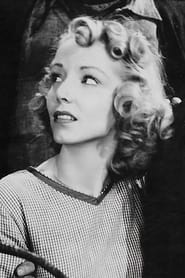
Virginia Davis
Actor
Born: December 31, 1918 in Kansas City, Missouri, USA Died: August 15, 2009 Active: 1923-1925 (primary), occasional appearances through 1930s Birth Name: Virginia Marguerite Davis
Films
11 films
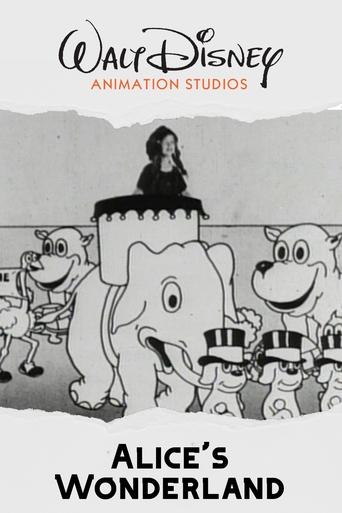



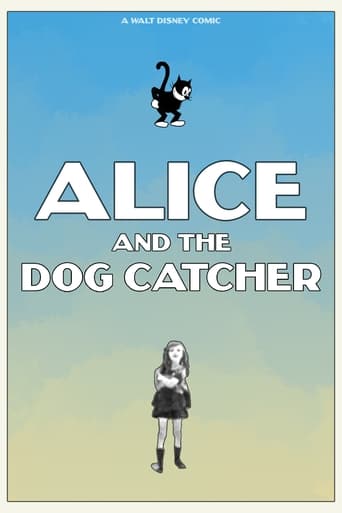

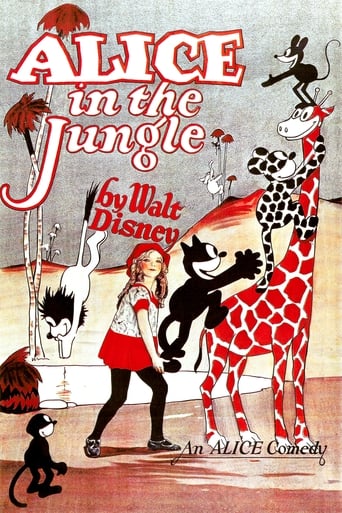
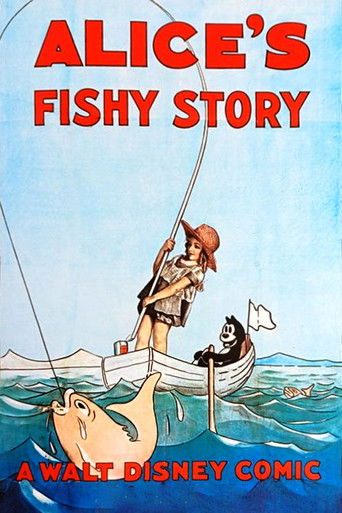
About Virginia Davis
Virginia Marguerite Davis — child actress who became immortalized as the first 'Alice' in Walt Disney's Alice Comedies series. Discovered by Walt Disney at age four while appearing in a short film called 'The Little Rascals' (unrelated to the later Our Gang series), she was hired by Disney's Laugh-O-Gram Studio in Kansas City for $40 per week. Her debut in 'Alice's Wonderland' (1923) combined live-action with animation, featuring her as a real girl interacting with cartoon characters in an animated world. When Disney's Laugh-O-Gram Studio went bankrupt, Walt moved to Hollywood and brought Virginia with him to continue the series, making her one of the first performers to work with Disney in California. She starred in 13 Alice comedies between 1923-1924 before her family moved back to Kansas City, after which she was replaced by other actresses. Despite her brief but significant career in the silent era, Davis later became a real estate agent and librarian, though she remained proud of her contribution to Disney's early success and frequently appeared at Disney fan conventions in her later years.
The Craft
On Screen
As a child actress in the silent era, Davis possessed a natural, unforced charm that made her perfect for the Alice role. Her acting style was characterized by expressive facial gestures and physical comedy that seamlessly integrated with the animated characters she interacted with. She had an innate ability to react convincingly to cartoon characters that weren't physically present during filming, requiring imagination and timing beyond her years. Her performances captured the wonder and innocence of childhood, making her the ideal human anchor for Disney's innovative blend of live-action and animation.
Milestones
- First Alice in Walt Disney's Alice Comedies series
- Starred in the groundbreaking 'Alice's Wonderland' (1923)
- Worked with Walt Disney during his formative years in both Kansas City and Hollywood
- Appeared in 13 Alice Comedies before being replaced
- Became a Disney legend and appeared at fan conventions in her later years
Best Known For
Iconic Roles
Must-See Films
Accolades
Won
- Disney Legend Award (1998)
- Kansas City Film Society's Lifetime Achievement Award (1990s)
Special Recognition
- Disney Legend Award (inducted 1998)
- Honored at Disneyana conventions
- Featured in Disney historical documentaries
- Recognized as one of Disney's earliest collaborators
Working Relationships
Worked Often With
Studios
Why They Matter
Impact on Culture
Virginia Davis played a crucial role in the development of early animation and the Disney empire. Her work in the Alice Comedies represented one of the first successful attempts to combine live-action with animation, a technique that would become a staple in Disney's later films. The series' success helped Walt Disney establish his studio in Hollywood and provided the financial foundation for his future innovations. Davis's performances demonstrated that a child actor could successfully interact with animated characters, paving the way for later films like 'Mary Poppins' and 'Who Framed Roger Rabbit'. Her contribution, though brief, was instrumental in keeping Disney's studio afloat during its precarious early years, making her an unsung hero in Disney history.
Lasting Legacy
Virginia Davis's legacy endures as the first face of Walt Disney's cinematic storytelling. As the original Alice, she represents the beginning of Disney's journey from a struggling animator to a global entertainment empire. Her story is frequently cited in Disney biographies and documentaries as a key element in the company's survival during its formative years. The Alice Comedies she starred in are now recognized as important milestones in animation history, showcasing early techniques that would evolve into Disney's signature style. Her induction as a Disney Legend in 1998 cemented her place in the company's official history, and she remains a beloved figure among Disney historians and vintage animation enthusiasts who recognize her contribution to preserving Disney's dream during its most vulnerable period.
Who They Inspired
Virginia Davis influenced the development of hybrid live-action/animation techniques and demonstrated the commercial viability of combining real actors with cartoon characters. Her natural performance style set a standard for child actors in animation crossover films. The success of the Alice Comedies she starred in influenced other studios to experiment with similar formats, contributing to the evolution of animation as a legitimate cinematic art form. Her work showed Walt Disney that audiences would accept and embrace the combination of reality and fantasy, influencing his later decisions to create feature films like 'Song of the South' and 'Mary Poppins'. Her story also inspired future generations of child actors and demonstrated the importance of young performers in family entertainment.
Off Screen
Virginia Davis led a remarkably normal life after her brief film career. She married Robert McGrew in 1943 and had two daughters. After her acting career ended, she focused on education, attending the University of Kansas City and later becoming a librarian. She also worked as a real estate agent for many years. Despite her early fame, she maintained a private life and rarely discussed her Disney years until the 1970s when Disney nostalgia began to grow. In her later years, she embraced her place in Disney history and became a beloved figure at fan events, sharing her memories of working with Walt Disney during his struggling early years.
Education
Graduated from Northeast High School in Kansas City, attended University of Kansas City, earned library science degree
Family
- Robert McGrew (1943-1970, his death)
- Larry Wanger (1973-2009, her death)
Did You Know?
- She was paid $40 per week by Disney, a substantial salary for a child actor in the 1920s
- Her mother sewed all her costumes for the Alice films
- She was the first person to be hired by Walt Disney for his Hollywood studio
- The character of Alice was written specifically for her
- She had to imagine the cartoon characters during filming as they were added later
- Her family moved back to Kansas City because her mother missed home
- Disney tried to get her back for more films but her parents refused
- She didn't see any of her Alice films until the 1970s
- She was one of the few surviving Disney silent-era stars in her later years
- Her contract required her to have her hair cut short to look more like a boy
- She appeared in over 40 films in her career, though most were uncredited bit parts
- Walt Disney personally wrote to her mother to convince them to move to California
In Their Own Words
I was just a little girl having fun, but I was helping Walt Disney become the legend he is today
Working with Walt was like working with someone who had magic in his hands
I never realized how important those little films would become to film history
Walt was always kind to me, like a favorite uncle
The best part was pretending I could really talk to cartoon characters
I'm proud to have been there at the beginning of Disney's dream
Frequently Asked Questions
Who was Virginia Davis?
Child actress who became famous as the first 'Alice' in Walt Disney's Alice Comedies series during the 1920s. She was discovered by Walt Disney at age four and starred in the innovative films that combined live-action with animation, helping establish Disney's studio during its formative years.
What films is Virginia Davis best known for?
Titles linked here include Alice's Wonderland (1923), Alice's Day at Sea (1924).
When was Virginia Davis born and when did she die?
Born December 31, 1918; died August 15, 2009.
What awards did Virginia Davis win?
Virginia Davis was inducted as a Disney Legend in 1998, recognizing her contribution to Disney's early success. She also received a Lifetime Achievement Award from the Kansas City Film Society and was honored at numerous Disney fan conventions for her role in animation history.
What was Virginia Davis's acting style?
As a child actress in the silent era, Davis had a natural, expressive style characterized by genuine reactions and physical comedy. She excelled at interacting with imaginary cartoon characters, using facial expressions and gestures that seamlessly blended with the animated elements, making the fantasy believable for audiences.
How did Virginia Davis influence Disney's success?
Davis's performances in the Alice Comedies provided the commercial success that kept Disney's studio afloat during its early financial struggles. The series' popularity allowed Disney to establish his Hollywood studio and continue experimenting with animation techniques that would become his trademark, making her an unsung hero in Disney's rise to fame.
Did Virginia Davis continue acting after the Alice films?
While she appeared in a few other films and shorts through the 1930s, Davis largely retired from acting after her family returned to Kansas City. She later became a librarian and real estate agent, only embracing her Disney legacy in her later years when she began appearing at fan conventions and Disney events.