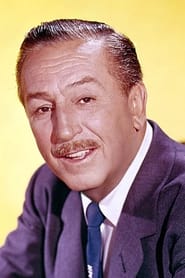

Newman Laugh-O-Grams
"A compilation of four cartoons about Kansas City are presented:."
Keys: Space play/pause · ←/→ 10s · F fullscreen · M mute · </> speed
About this film
A short film depicting Walt Disney sitting at his desk drawing a series of still cartoons and simple animations in a satirical newsreel format. A compilation of four cartoons about Kansas City are presented: "Cleaning Up!!?," "Kansas City Girls Are Rolling Their Own Now," "Did You Ever Take a Ride Over Kansas City Street in a Fliver" and "Kansas City's Spring Clean-Up."
Cast & crew
More films like this


More Animation films
View all →


More from Walt Disney
View all →

More about this film
About the production
Release date1921
Box officeUnknown - likely earned small fees from local theater showings
ProductionLaugh-O-Gram Studio
Filmed inKansas City, Missouri
This was one of Disney's earliest professional works, created before he established his Hollywood studio. The film was produced on a minimal budget using basic animation equipment in Disney's small Kansas City studio. Disney personally handled most of the animation, drawing, and even appeared in live-action segments. The Newman in the title refers to the Newman Theater in Kansas City, which was one of the first venues to regularly show Disney's animated shorts. The production used cut-out animation techniques combined with traditional cel animation, reflecting the experimental nature of early animation methods.
Themes
Urban life and modernization in 1920s AmericaSocial satire and commentaryThe animation process as art and entertainmentLocal community and regional identityTechnological change and transportation
Themes & topics
animationsatirenewsreelKansas Cityurban comedysilent filmearly Disneylocal humortransportationsocial commentarylive-action animation1920s cultureshort filmexperimental film
Historical background
The 1921 release of Newman Laugh-O-Grams belongs to its era's exhibition habits rather than today's franchise model.
Why this film matters
Archivists revisit Newman Laugh-O-Grams (1921) for performance styles and craft choices later mainstream releases refined.
Making of
The creation of Newman Laugh-O-Grams occurred during a pivotal but difficult period in Walt Disney's career. After moving to Kansas City in 1919, Disney worked for an ad company before founding his first animation studio, Laugh-O-Gram, with only $500 from local investors. The studio operated out of a small space on the second floor of the McConahay Building, where Disney and a small team of animators worked long hours producing these short films. Disney would often sleep at the studio and was known to be so dedicated that he once took apart a movie projector to understand how it worked. The Newman Theater became a crucial partner, regularly showing Disney's cartoons and helping establish his reputation. Despite the creative success of these early works, financial struggles plagued the studio, and Disney was forced to declare bankruptcy in 1923. This failure, however, directly led to his move to Hollywood and the eventual creation of Mickey Mouse. The production techniques were rudimentary by modern standards, with Disney often using cut-out animation and simple cel methods, but they showed the innovative spirit that would define his later career.
What critics said
Trade papers near 1921 listed Newman Laugh-O-Grams as program material rather than headline art cinema.
Did you know?
- This film represents one of Walt Disney's earliest surviving works from his pre-Mickey Mouse period in Kansas City
- The Newman Laugh-O-Grams series was named after Frank L. Newman, owner of the Newman Theater who was one of Disney's first supporters
- Disney was only 19 years old when he created this film, demonstrating his early talent and entrepreneurial spirit
- The film features Disney himself in live-action segments, making it one of the few times he appeared on camera in his early career
- The Laugh-O-Gram Studio that produced this film eventually went bankrupt, leading Disney to move to Hollywood
- The animation style shows early experimentation with techniques that would later become Disney trademarks
- The satirical newsreel format was innovative for its time, predating many similar parody formats
- Only fragments of this film are believed to survive today, making it a rare piece of animation history
- The film's local Kansas City focus shows how Disney initially built his career by creating content for regional audiences
- The bankruptcy of the Laugh-O-Gram Studio after producing films like this led Disney to create his first successful character, Oswald the Lucky Rabbit
Visual style
The cinematography of Newman Laugh-O-Grams combines basic live-action photography with primitive animation techniques, reflecting the experimental nature of early film production. The live-action segments featuring Disney at his desk were likely shot with fixed camera positions typical of the period, using simple lighting setups available to small production companies. The animated portions employ cut-out animation techniques combined with early cel methods, creating a distinctive visual style that bridges the gap between static illustrations and fluid animation. The newsreel format required quick cuts between segments, demonstrating an early understanding of pacing and visual variety in short-form content. The black and white photography of the era adds to the historical authenticity of the piece, while the limited animation budget resulted in creative solutions to movement and action scenes. The visual style shows Disney's early experiments with character design and motion, featuring simplified but expressive figures that would evolve into more sophisticated character animation. The film's visual approach demonstrates the resourcefulness required in early animation, where technical limitations often led to innovative artistic solutions.
Innovations
Newman Laugh-O-Grams represents several important technical achievements in early animation, despite its primitive appearance by modern standards. The film's use of combined live-action and animation was innovative for its time, demonstrating Disney's early experiments with mixed media techniques. The newsreel format required sophisticated editing and pacing for the period, showing an understanding of how to structure short-form content effectively. The cut-out animation techniques used in some segments were resourceful solutions to the budget constraints faced by the Laugh-O-Gram Studio. The film's satirical approach to contemporary subjects showed how animation could be used for social commentary, expanding the medium beyond simple entertainment. The character animation, while basic, shows early attempts at personality and expression that would become hallmarks of Disney animation. The production workflow that allowed Disney to produce these shorts on a minimal budget demonstrated the efficiency and creativity that would later define his studio operations. The film also represents an early example of branding, with the consistent Laugh-O-Grams identity helping establish Disney's reputation in the local market.
Music
As a silent film from 1921, Newman Laugh-O-Grams was originally presented without synchronized sound, typical of the era before the advent of talkies in the late 1920s. The film would have been accompanied by live musical performance in theaters, with a pianist or small orchestra providing appropriate background music and sound effects. The musical accompaniment would have followed the conventions of silent film scoring, using popular songs of the period, classical pieces, and improvised music to match the on-screen action and mood. The satirical newsreel format might have included jaunty, upbeat music during the animated segments and more neutral background music during the live-action portions. Theater organists would have created sound effects to enhance the comedy, using various stops and effects to simulate noises like car horns, crashes, and other comedic sounds. The lack of recorded sound meant that Disney's visual storytelling had to be particularly effective, relying on clear action and expression to convey humor and narrative. Modern restorations or presentations of the film typically use period-appropriate music or newly composed scores that evoke the style of 1920s theater accompaniment.
Famous quotes
As a silent film, Newman Laugh-O-Grams contains no spoken dialogue, but its intertitles and visual gags conveyed humorous commentary on Kansas City life that audiences of the time would have found entertaining and relatable.
Memorable scenes
- The opening sequence showing Walt Disney himself at his drawing desk, providing a rare glimpse of the young animator at work and creating a meta-narrative about the animation process itself.
What audiences thought
Original audience reception of Newman Laugh-O-Grams appears to have been positive among Kansas City theater-goers, as evidenced by the continued support from the Newman Theater and other local venues. The film's local humor and references to Kansas City life would have resonated strongly with regional audiences, creating a sense of community connection that early animation often relied on. Contemporary audiences viewing surviving fragments are primarily animation enthusiasts, Disney scholars, and film historians who appreciate the work for its historical significance rather than entertainment value. Modern viewers often express fascination with seeing a young Walt Disney on screen and observing the primitive animation techniques that would evolve into the sophisticated Disney style. The film's satirical take on 1920s urban life provides today's audiences with a window into the culture and concerns of the era, adding to its appeal beyond just animation history. While the humor may seem dated to contemporary viewers, the energy and creativity evident in the work continue to engage those interested in the origins of American animation.
Film connections
Influenced by
- Winsor McCay's early animation works
- Newspaper editorial cartoons
- Vaudeville comedy traditions
- Contemporary newsreel formats
- Felix the Cat cartoons
- New York-based animation studios
- Comic strip storytelling
- Silent film comedy shorts
This film influenced
- Later Laugh-O-Gram shorts
- Alice Comedies series
- Early Mickey Mouse cartoons
- Disney's Silly Symphonies
- Newsreel parody films
- Local animated advertising
- Mixed media animation experiments
- Disney's educational films
Film restoration
Newman Laugh-O-Grams is considered a partially lost film, with only fragments believed to survive in various archives and private collections. The film, like many of Disney's early Laugh-O-Gram productions, suffers from the poor preservation practices common for silent-era shorts. Some segments or still images may exist in the Disney Archives, the Library of Congress, or among film collectors, but a complete version is unlikely to survive. The film's status as a rare early Disney work makes any surviving footage particularly valuable to animation historians and archivists. Efforts to locate and preserve fragments of Disney's early work continue, with organizations like the Walt Disney Family Museum and various film archives actively seeking lost materials from this period. The partial loss of this film represents a significant gap in the documentation of Disney's artistic development and the early history of American animation.
Where to watch
- Fragments may occasionally appear in Disney documentary specials or museum exhibitions
- The Walt Disney Family Museum in San Francisco may have some footage in their collection
- Film archives and special collections at universities with animation programs
- Occasionally screened at animation festivals or film history events
- Some segments might be included in DVD/Blu-ray bonus materials for Disney historical collections