The Haunted House
"Mickey takes shelter in a haunted house full of dancing skeletons."
Keys: Space play/pause · ←/→ 10s · F fullscreen · M mute · </> speed
About this film
Storm drives Mickey from a storm in a house that turns out to be haunted. The skeletons command him to play the organ; they dance and play along.
Cast & crew
More films like this

More Animation films
View all →



More from Walt Disney
View all →

More about this film
About the production
Release dateDecember 2, 1929
Box officeUnknown - early Mickey Mouse shorts were highly profitable for Disney
ProductionWalt Disney Productions
Filmed inHyperion Avenue Studio, Los Angeles, California
This was one of the first Mickey Mouse cartoons to incorporate synchronized sound effects and music, though it was originally produced as a silent cartoon. The animation was primarily done by Ub Iwerks, Disney's lead animator at the time. The skeleton dance sequence was particularly innovative for its time, featuring fluid movement and personality in the skeletal characters. The cartoon utilized the multiplane camera technique in some scenes, giving depth to the haunted house interior.
Themes
Horror and comedySupernatural encountersCourage in the face of fearMusic as a unifying forceThe unknown and mysterious
Themes & topics
haunted houseskeletonsstormorgan musicdancingsupernaturalhorror-comedyMickey Mouseearly animationsound cartoon
Historical background
By 1929, distribution networks were widening, and The Haunted House reached viewers through the same short-program bills that mixed comedy, news, and spectacle.
Why this film matters
Later homages and restorations keep The Haunted House circulating among silent- and classic-film communities long after its first run.
Making of
The production of 'The Haunted House' occurred during a critical period for Disney Studios, as they were transitioning from silent to sound cartoons. Walt Disney and Ub Iwerks worked closely on developing the gags, with Iwerks handling the majority of the animation himself. The skeleton dance sequence was particularly challenging, requiring careful timing to make the skeletal movements appear both realistic and entertaining. The cartoon was produced on an extremely tight schedule and budget, typical of early Disney productions. The sound synchronization was added after the animation was completed, using the Cinephone system. The haunted house setting allowed the animators to experiment with lighting effects and shadows, creating atmosphere that was relatively sophisticated for the time.
What critics said
Specialist critics writing today emphasize preservation and access—praising archives when a viewable copy of The Haunted House survives rather than overstating original buzz.
Did you know?
- This was the 13th Mickey Mouse cartoon produced and released
- The cartoon was originally silent but later re-released with synchronized sound
- Ub Iwerks animated the entire cartoon in just two weeks, a remarkable feat even for that era
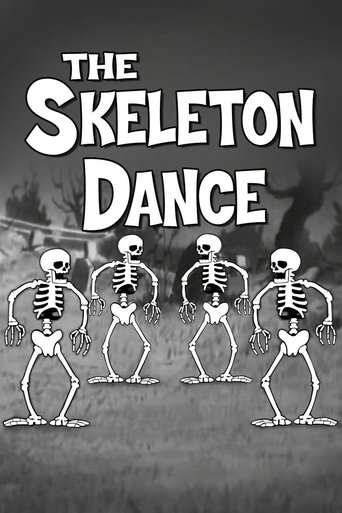
- The dancing skeletons sequence was directly inspired by the 1929 Disney short 'The Skeleton Dance' from the Silly Symphonies series
- This was one of the first cartoons to feature Mickey in a horror setting, establishing his versatility as a character
- The haunted house design was reused in several later Disney productions
- Mickey's design in this cartoon still features his early appearance with longer snout and more rat-like features
- The organ music played by Mickey was actually composed by Carl Stalling, who would later become famous for his Looney Tunes scores
- This cartoon was part of the initial wave that made Mickey Mouse an international sensation
- The skeleton characters were designed to be both scary and comical, a balance that became a Disney trademark
Visual style
The cartoon utilized innovative camera techniques for its time, including early experiments with the multiplane camera to create depth in the haunted house scenes. The animators used careful attention to lighting and shadow to create atmosphere, with silhouettes and dramatic lighting effects enhancing the spooky mood. The camera work during the skeleton dance sequence was particularly notable, using angles and movements that emphasized the supernatural quality of the dancing bones. The visual style combined the rounded, friendly design of Mickey with the angular, skeletal forms of the ghosts, creating effective visual contrast.
Innovations
This cartoon was notable for its early use of synchronized sound effects and music, which was still a new technology in 1929. The animation of the dancing skeletons demonstrated advanced understanding of movement and timing, with the skeletal figures moving with remarkable fluidity and personality. The cartoon featured some of the first uses of shadow and lighting effects in animation to create mood and atmosphere. The production also experimented with perspective shots and camera movements that were technically challenging for the era. The seamless integration of horror and comedy elements showed sophisticated storytelling capabilities that were rare in animation at the time.
Music
The musical score was composed by Carl Stalling, who would later become famous for his work with Warner Bros. cartoons. The soundtrack featured synchronized sound effects, including thunder, creaking doors, and the distinctive organ music played by Mickey. The organ piece was based on classical themes but arranged to sound spooky and whimsical. The dancing skeletons were accompanied by jaunty, jazz-influenced music that contrasted humorously with their skeletal appearance. The sound design was particularly innovative for its time, using the new Cinephone system to create a rich audio environment that enhanced the cartoon's atmosphere.
Famous quotes
Mickey's terrified shrieks upon seeing the skeletons
The organ music that Mickey is forced to play
The rattling sounds of the dancing skeletons
Memorable scenes
- The dramatic opening with Mickey caught in the thunderstorm
- Mickey's first encounter with the emerging skeletons
- The extended sequence of dancing skeletons accompanying Mickey's organ playing
- Mickey's frantic escape from the haunted house at dawn
What audiences thought
The cartoon was enormously popular with audiences in 1929, who were captivated by both the novelty of synchronized sound and the entertaining mix of scares and laughs. Children were thrilled by the spooky elements without being truly frightened, while adults appreciated the technical sophistication of the animation. The haunted house theme resonated with audiences familiar with Halloween traditions and ghost stories. The success of this and other Mickey Mouse shorts helped establish Disney as a major player in the film industry during a time when many studios were struggling with the transition to sound and the economic impact of the Depression.
Film connections
Influenced by
- The Skeleton Dance (1929)
- German Expressionist horror films
- Vaudeville comedy routines
- Classical horror literature
- Jazz age music
This film influenced
- The Mad Doctor (1933)
- Lonesome Ghosts (1937)
- The Skeleton Dance (1929)
- Various Halloween-themed Disney shorts
Film restoration
The film is preserved in the Disney archives and has been digitally restored. It is included in various Disney collections and is available through official Disney channels. The original nitrate film elements have been preserved and transferred to safety stock.
Where to watch
- Disney+ streaming service
- Walt Disney Treasures: Mickey Mouse in Black and White DVD collection
- Various public domain animation websites
- Disney's official YouTube channel occasionally features it
- Classic animation streaming services