Cinderella
"1922 animated film by Lotte Reiniger"
Keys: Space play/pause · ←/→ 10s · F fullscreen · M mute · </> speed
About this film
Lotte Reiniger's interpretation of Grimm's recorded version of Aschenputtel from 1922.
Cast & crew
More films like this
More Animation films
View all →




More from Lotte Reiniger
View all →More about this film
About the production
Release date1922
ProductionLotte Reiniger Film
Filmed inBerlin, Germany
This was produced as one of Lotte Reiniger’s early silhouette animated fairy-tale films, created through painstaking stop-motion manipulation of cut-out figures beneath a camera. Like her other celebrated works from this period, it relied on layered paper and cardboard silhouettes, articulated joints, and carefully controlled lighting to produce intricate black-and-white images. Reiniger’s films were often made with limited resources but extraordinary craftsmanship, and surviving information about budgets and commercial performance for this short silent film is scarce. The production reflects the experimental yet artisanal character of European animation in the early 1920s, when a single filmmaker and a small team could create a complete featurette-like narrative through handcrafted animation techniques.
Themes
Transformation and magical rescueSocial injustice and domestic oppressionReward for endurance and virtueFate, recognition, and romantic destinyFolklore and fairy-tale symbolism
Themes & topics
fairy talesilhouette animationGrimm Brothersmagic transformationroyal ballstepfamilysilent filmGerman animation
Historical background
Cinderella (1922) circulated in the silent era. Lotte Reiniger's interpretation of Grimm's recorded version of Aschenputtel from 1922. Contemporary trade papers and later preservation notes document its place among nickelodeon and cinema-club programs.
Why this film matters
Cinderella remains accessible to researchers and viewers as a screen title in museum, archive, and streaming collections. Programmers cite it when tracing regional production history and surviving early prints.
Making of
Cinderella was made during the period when Lotte Reiniger was developing the silhouette-animation methods that would define her career. Her process involved constructing paper-cut figures with articulated limbs and photographing them frame by frame under a specially arranged setup, creating the illusion of continuous motion. These productions were labor-intensive and required remarkable precision, especially for scenes involving graceful movement, dance-like action, or expressive facial substitutions conveyed through body posture. Reiniger’s fairy-tale shorts were shaped by her deep interest in theater, shadow play, and decorative art, and they translated the visual language of folk storytelling into a cinematic form that was both elegant and modern. Exact records of the production crew, financing, and distribution for this short are limited, but the film clearly belongs to Reiniger’s Berlin-based independent animation practice in the early Weimar era.
What critics said
Day-one reviews for Cinderella are sparse in digitized press archives; later criticism treats it as a reference point for 1922 cinema programming and preservation.
Did you know?
- This film is an early silent silhouette-animation adaptation of the Cinderella tale by Lotte Reiniger, among the pivotal pioneers in the history of animation.
- Reiniger became famous for her paper-cut, cut-out, and silhouette technique, which gave her fairy-tale films a distinctive ornamental look that set them apart from both live-action cinema and later cel animation.
- The film draws specifically on the Grimms’ recorded version of Aschenputtel rather than on later, more sanitized children’s retellings.
- Reiniger’s work predates many later animated fairy-tale adaptations and helped establish animation as a medium capable of lyrical storytelling and literary adaptation.
- Because the film is from the silent era, its storytelling depends entirely on visual composition, pantomime, and music performed in synchronization at exhibition.
- Reiniger’s silhouettes were often cut from cardboard and thin metal sheets, then articulated with pins or threads to allow fluid movement frame by frame.
- The film belongs to the broader early-1920s German avant-garde and artisanal animation culture that emerged alongside expressionist cinema and experimental visual art.
- Surviving documentation for many of Reiniger’s early shorts is incomplete, so exact production data such as budgets and box office numbers are generally not preserved.
- The title is often indexed simply as Cinderella, but the work is specifically a 1922 Reiniger adaptation and should not be confused with later sound-era or Disney versions.
- Reiniger’s fairy-tale films contributed to her reputation excelled in animated fantasy long before her landmark feature The Adventures of Prince Achmed (1926).
Visual style
The film’s visual style is defined by Reiniger’s signature black silhouette imagery, sharp contrasts, and highly controlled staging. Rather than using realistic depth or painterly backgrounds, the film emphasizes layered shapes, ornamental line, and the expressive silhouette as a storytelling device. Movement is often graceful and dance-like, with the camera fixed to allow the animated figures to read clearly against luminous backgrounds. The cinematographic effect depends on precise framing and composition, making every gesture legible even without intertitles or dialogue. The result is a decorative, almost theatrical visual world that turns the fairy tale into an animated shadow play.
Innovations
The film is technically notable for its early and sophisticated use of silhouette animation, a form that predates and differs from mainstream cel animation. Reiniger’s cut-out method allowed for highly expressive motion and ornamental composition while maintaining a distinct visual identity rooted in shadow play and stagecraft. The production demonstrates meticulous frame-by-frame control, articulated figure design, and an early mastery of cinematic timing in animation. Its achievement lies not in large-scale technical spectacle but in the invention of a refined visual grammar for animated storytelling, one that remained influential in experimental animation for decades.
Music
As a 1922 silent film, Cinderella originally had no synchronized recorded soundtrack. Like most silent-era films, it would have been accompanied in exhibition by live music chosen by the theater or musician, possibly drawing on fairy-tale, salon, or dramatic accompaniment styles. Specific original cue sheets or composer information for this title are not reliably preserved in the available record. Modern presentations of Reiniger’s films are often accompanied by newly prepared scores or live musical performances.
Memorable scenes
- Cinderella’s transformation sequence, rendered through graceful silhouette metamorphosis and visual enchantment
- The royal ball scene, where the delicate movement of the figures and the contrast of black silhouettes create a dreamlike atmosphere
- The stepsisters’ comic mistreatment of Cinderella, which uses posture and gesture to express cruelty without dialogue
- The moment of recognition between Cinderella and the prince, staged as a visual resolution to the fairy tale’s longing and promise
What audiences thought
Direct audience response records from 1922 are not readily available, but Reiniger’s fairy-tale films were designed to appeal to general audiences who enjoyed magical, visually inventive short subjects. The film likely found its most enthusiastic reception among viewers interested in novelty animation, theatrical fantasy, and handcrafted spectacle. Modern audiences, especially those familiar with later animated Cinderella versions, often respond to Reiniger’s adaptation with admiration for its quiet beauty and its radically different visual language. Its appeal today is strongest among silent-film enthusiasts, animation scholars, and viewers drawn to early experimental cinema.
Film connections
Influenced by
- Grimm Brothers' Aschenputtel
- European folk-tale traditions
- Shadow theater and silhouette art
- Early stage pantomime and visual storytelling
This film influenced
- Lotte Reiniger's later silhouette animations
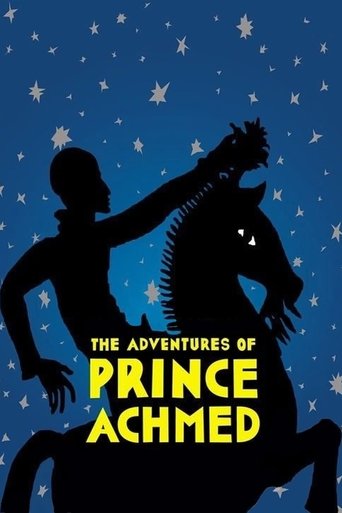
- The Adventures of Prince Achmed (1926)
- Later cut-out and silhouette animation traditions
- Subsequent fairy-tale adaptations in animation
Film restoration
The film appears to be preserved in archival form, though information on complete original elements, restoration history, and print quality is limited in readily available public sources. As with many silent-era animated shorts, access may depend on archival holdings, curated screenings, or inclusion in retrospective programs devoted to Lotte Reiniger’s work.
Where to watch
- Film archives and museum screenings
- Retrospective programs devoted to Lotte Reiniger
- Selected online archival video platforms when legally available
- Educational and library media collections