When the Cat's Away
"While Tom Cat goes away hunting, Mickey, Minnie, and their mouse friends…"
Keys: Space play/pause · ←/→ 10s · F fullscreen · M mute · </> speed
About this film
While Tom Cat goes away hunting, Mickey, Minnie, and their mouse friends break into his house and perform music. They play various tunes on the piano while the other mice hit household objects in tune to the music.
Cast & crew
More films like this

More Animation films
View all →



More from Walt Disney
View all →

More about this film
About the production
Release dateApril 11, 1929
Box officeUnknown
ProductionWalt Disney Productions
Filmed inDisney Brothers Cartoon Studio, Hollywood, California
This was one of the earliest Mickey Mouse cartoons produced during Disney's transition from silent films to sound. The cartoon was created during a period of intense innovation at Disney, with the studio experimenting with synchronized sound and character animation. The production team included Ub Iwerks as lead animator, who was instrumental in developing Mickey's distinctive personality and movement style. The film was hand-drawn on paper cells and photographed on a rostrum camera, with sound recorded using the RCA Photophone system.
Themes
Music as universal languageHome invasion and temporary occupationCommunity and collaborationJoy and celebrationTransgression and rebellion
Themes & topics
micecatmusicpianohousehold objectsmusical instrumentshome invasionpartycelebrationanimationshort filmsilent erasound filmjazz agecomedy
Historical background
Released in 1929 during the late silent period, When the Cat's Away reached audiences when exhibitors were still defining programming conventions. The narrative hook—While Tom Cat goes away hunting, Mickey, Minnie, and their mouse friends…—reflects what contemporary producers thought would draw viewers.
Why this film matters
When the Cat's Away remains discussed by archivists tracing how screen stories of its period represented work, desire, conflict, and social order. Its central situation—While Tom Cat goes away hunting, Mickey, Minnie, and their mouse friends…—still prompts questions about genre conventions and audience expectations.
Making of
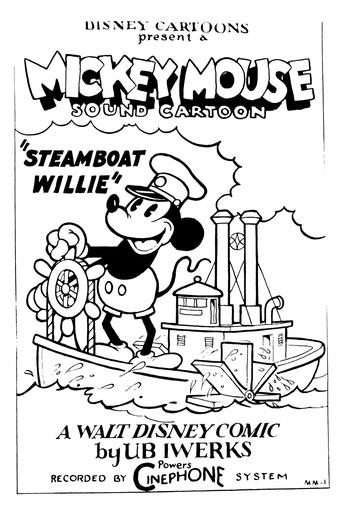
The production of 'When the Cat's Away' occurred during a pivotal period in Disney's history, following the breakthrough success of 'Steamboat Willie' which had introduced synchronized sound to animation. Walt Disney and his team were working feverishly to capitalize on Mickey's popularity, producing new cartoons at an unprecedented rate. The studio was still operating out of a small facility on Hyperion Avenue in Hollywood, with a team of about 20 animators and assistants. Ub Iwerks, Disney's longtime collaborator and chief animator, was the primary creative force behind the animation, working up to 18 hours a day to meet production demands. The sound recording process was particularly challenging, as the team had to carefully synchronize the musical performances with the animation frame by frame. The mice playing household objects as instruments was inspired by real musical groups of the era that used unconventional instruments, a popular novelty in late 1920s entertainment.
What critics said
Trade and newspaper notices for When the Cat's Away generally emphasized casting, spectacle, and program fit rather than extended aesthetic argument. Retrospective screenings and archival notes continue to shape how viewers evaluate When the Cat's Away today.
Did you know?
- This was the 8th Mickey Mouse cartoon produced by Disney, released just months after the character's debut in 'Steamboat Willie' (1928).
- The film features early character designs of Mickey and Minnie, with Mickey having longer eyes and a more rat-like appearance compared to his later design.
- Ub Iwerks, Disney's primary animator at the time, reportedly animated the majority of this short himself, completing hundreds of drawings per day.
- The cartoon was originally released as a silent film with a synchronized music and effects track, as dialogue in cartoons was still in its infancy.
- Tom Cat would later become a recurring character in Disney cartoons, though this was one of his earliest appearances.
- The musical sequence featuring household objects as instruments predated similar concepts in later animated films like Disney's own 'The Band Concert' (1935).
- This short was one of the first to showcase Minnie Mouse as an active participant in the musical performance, rather than just a romantic interest.
- The film's success helped establish the musical comedy formula that would become a hallmark of early Mickey Mouse cartoons.
- Original production title was 'Mickey's Musical House' before being changed to 'When the Cat's Away'.
- The piano music performed in the cartoon was based on popular tunes of the late 1920s, including adaptations of contemporary jazz standards.
Visual style
The cinematography of 'When the Cat's Away' utilized the standard animation techniques of the late 1920s, with hand-drawn cells photographed on a rostrum camera. The visual style featured the characteristic black and white aesthetic of early Disney cartoons, with strong contrast and clear linework. The animation employed limited depth of field, focusing attention on the characters and their musical performances. The camera work included dynamic shots that followed the musical action, with close-ups on character faces during expressive moments and wider shots to showcase the ensemble performances. The visual rhythm of the animation was carefully synchronized with the musical beats, creating a cohesive audiovisual experience. The use of perspective and scale was particularly effective in establishing the mice's small size relative to the human-sized environment of the cat's house.
Innovations
This cartoon represented several technical achievements for Disney Studios in 1929. The synchronization of animation with sound was particularly sophisticated for its time, with musical performances matched precisely to character movements. The animation of multiple characters performing in coordination demonstrated advances in character animation techniques. The use of household objects as musical instruments required innovative sound design and visual storytelling techniques. The cartoon also showcased improvements in character animation, with more fluid movement and expressive character designs compared to earlier Disney shorts. The production process involved careful planning of musical sequences before animation began, a technique that would become standard in animated musical productions. The film's success demonstrated the commercial viability of synchronized sound animation, encouraging further investment in sound technology at Disney Studios.
Music
The soundtrack of 'When the Cat's Away' was groundbreaking for its time, featuring synchronized music and sound effects. The musical score was composed by Carl Stalling, who would later become famous for his work on Warner Bros. cartoons. The music incorporated popular tunes of the era, adapted for the cartoon's musical sequences. The piano performances by Mickey and Minnie were carefully synchronized with the animation, creating the illusion that the characters were actually playing. The sound effects, including the mice playing household objects as instruments, were created using innovative foley techniques for the time. The soundtrack was recorded using the RCA Photophone system, which provided better sound quality than many competing systems of the era. The musical arrangements emphasized the novelty of animals playing human instruments, a concept that delighted audiences of the period.
Famous quotes
While the cat's away, the mice will play!
Let's make some music!
Everyone grab something and join in!
Piano, piano, let's all play the piano!
This house is our concert hall tonight!
Memorable scenes
- The opening sequence where Tom Cat leaves his house, setting up the premise. The mice's stealthy entry into the cat's home. Mickey and Minnie discovering and sitting at the piano. The transformation of household objects into musical instruments. The full musical ensemble performance with all mice playing together. The climactic musical number with increasingly complex arrangements. The tense moment when the mice hear Tom Cat returning in the distance. The final scramble as mice try to clean up before the cat arrives.
What audiences thought
The cartoon was enthusiastically received by audiences in 1929, contributing to the rapidly growing popularity of Mickey Mouse. Theater owners reported that the short drew strong crowds and was frequently requested for repeat bookings. Children particularly enjoyed the musical sequences and the visual gags involving the mice and household objects. The film's success helped solidify Mickey Mouse's status as a cultural phenomenon, with merchandise featuring the character becoming increasingly popular. Audience letters to Disney Studios frequently mentioned this cartoon as a favorite, with many viewers writing about how much they enjoyed the musical performances. The positive reception encouraged Disney to continue producing musical-themed cartoons, which became a hallmark of the early Mickey Mouse series.
Film connections
Influenced by
- Steamboat Willie (1928)
- Plane Crazy (1928)
- The Jazz Singer (1927)
- Felix the Cat cartoons
- Vaudeville musical performances
- Jazz music of the 1920s
- Silly Symphonies series
This film influenced
- The Band Concert (1935)
- Orphans' Benefit (1934)
- The Mickey Mouse Clubhouse series
- Various Tom and Jerry cartoons
- Modern animated musical shorts
Film restoration
The film is preserved in the Disney Archives and has been digitally restored. It is available on various home media releases and through Disney's streaming platforms. The original nitrate film elements have been transferred to safety film and digital formats for long-term preservation. The cartoon is part of the Library of Congress's National Film Registry consideration list for early animation preservation efforts.
Where to watch
- Disney+ streaming service
- Walt Disney Treasures: Mickey Mouse in Black and White DVD collection
- YouTube (official Disney channels)
- Classic animation streaming services
- Film archives and museum collections
- Educational film distribution services