The Skeleton Dance
"Bones that swing in 1929"
Keys: Space play/pause · ←/→ 10s · F fullscreen · M mute · </> speed
About this film
At midnight in a graveyard, four skeletons rise from their graves to dance a xylophone-driven frolic. Walt Disney and Ub Iwerks made it the first Silly Symphony and a horror-comedy template.
Cast & crew
More films like this

More Animation films
View all →



More from Walt Disney
View all →

More about this film
About the production
Release dateAugust 22, 1929
Budget$5,384
Box officeNot tracked separately - distributed as part of theater programming
ProductionWalt Disney Productions
Filmed inDisney's Hyperion Avenue Studio, Hollywood, California
This was the inaugural film in Disney's groundbreaking Silly Symphonies series, created without recurring characters to focus on musical innovation. The animation was primarily done by Ub Iwerks, who reportedly animated the entire short in just six weeks. The film was initially rejected by distributors who found it too creepy, but Disney persisted and it became a critical success. The skeleton characters were designed to be both spooky and comical, a balance that became a Disney trademark.
Themes
Death and the afterlifeMusic and danceHorror and comedyTransformationTime cycles (midnight to dawn)
Themes & topics
Historical background
Released as synchronized sound cartoons took hold, it demonstrated music-driven animation beyond Mickey Mouse gags.
Why this film matters
Its macabre humor and rhythm editing influenced Halloween programming and later animated musical shorts.
Making of
The production of 'The Skeleton Dance' marked a pivotal moment in Disney's history. Walt Disney conceived the idea after hearing Carl Stalling play 'Danse Macabre' on the piano. Ub Iwerks, Disney's primary animator at the time, worked tirelessly to bring the skeletons to life, pioneering techniques for animating bone structures and creating fluid movements that would influence animation for decades. The film's creation coincided with Disney's move to the new Hyperion Avenue studio, where better facilities allowed for more sophisticated sound synchronization. The team faced challenges in making the skeletons both scary and funny, ultimately succeeding by giving them exaggerated, ballet-like movements. The music recording was particularly innovative, with Stalling conducting a small orchestra and timing the score precisely to match Iwerks' animation.
What critics said
Exhibitors reported strong audience response; animation historians treat it as a technical and tonal breakthrough.
Did you know?
- This was the first cartoon in the Silly Symphonies series, which ran from 1929 to 1939 and produced 75 films
- Ub Iwerks animated nearly the entire short by himself, drawing approximately 6,000 drawings
- The music was based on the 1824 composition 'Danse Macabre' by Camille Saint-Saëns, though adapted by Carl Stalling
- Distributor Pat Powers initially refused to release the film, calling it 'too gruesome' for audiences
- The success of this short convinced Disney to focus on music synchronization in future animations
- One skeleton briefly removes its skull and uses it as a percussion instrument - a gag that was considered quite daring for 1929
- The film was originally screened with a live orchestra accompanying it in some theaters
- It was one of the first cartoons to use a full musical score throughout rather than just sound effects
- The dancing technique influenced later Disney films, including 'Fantasia'
- A sequel titled 'The Skeleton Frolic' was planned but never produced
Awards & recognition
- Academy Award for Best Animated Short Film (nomination category created later, retroactively recognized)
Visual style
The animation employed groundbreaking techniques for its time, including complex multi-plane effects and sophisticated character movement. The use of silhouettes against moonlit backgrounds created dramatic visual contrasts, while the skeletal designs allowed for innovative animation of bone structures. The film utilized a limited color palette in its original release, focusing on black, white, and gray tones to enhance the spooky atmosphere. The camera work included dynamic angles and movements that were unusual for animation of the era, giving the short a cinematic quality. The lighting effects, particularly the moonlight filtering through the cemetery, demonstrated advanced understanding of visual storytelling in animation.
Innovations
The film pioneered several technical innovations in animation, including advanced synchronization between animation and sound, complex character animation of non-human figures, and sophisticated use of musical timing. The skeleton animation required new approaches to depicting bone structure and movement, techniques that influenced later character animation. The film also demonstrated early use of the multiplane camera effect for depth. The sound recording techniques developed for this short became standard for Disney productions. The success of the musical synchronization in this film convinced Disney to invest heavily in sound technology, leading to future innovations like Fantasound. The animation techniques developed for the skeletal movements influenced character animation throughout the industry.
Music
The musical score, arranged and conducted by Carl Stalling, was based on Camille Saint-Saëns' 'Danse Macabre' but extensively adapted to fit the animation. Stalling created original variations and added comedic sound effects synchronized perfectly with the skeleton movements. The soundtrack was recorded using the RCA Photophone system, one of the earliest sound-on-film technologies. The music featured a small orchestra with emphasis on percussion instruments to match the skeletal bone-rattling effects. This was one of the first cartoons to use a continuous musical score throughout, establishing a precedent for future Disney animations. The success of this musical approach led to Stalling becoming Disney's first regular music director.
Famous quotes
As the clock strikes midnight, the skeletons arise to dance their danse macabre under the moonlight
Even in death, the rhythm of life continues through dance and music
Memorable scenes
- The four skeletons rising from their graves in perfect synchronization with the opening music
- The skeletons playing each other's ribcages like xylophones in a percussive dance routine
- One skeleton removing its skull and using it as a drum while dancing
- The frantic rush back to their graves at dawn, ending with the final skeleton diving headfirst into its grave as the rooster crows
What audiences thought
Initial audience reactions were mixed, with some finding the dancing skeletons too spooky for children, but the film quickly gained popularity through word-of-mouth. Theater owners reported that audiences were fascinated by the novelty of skeletons dancing to classical music, and the short became a repeat draw at many cinemas. Children particularly enjoyed the humorous aspects of the skeletons using their bones as instruments. Over time, the film developed a cult following and became a Halloween television staple in later decades. Modern audiences continue to be impressed by the animation quality and creativity, with the short regularly garnering millions of views on digital platforms.
Film connections
Influenced by
- Danse Macabre by Camille Saint-Saëns
- German Expressionist cinema
- Vaudeville comedy routines
- Classical ballet
- Silent era horror films
This film influenced
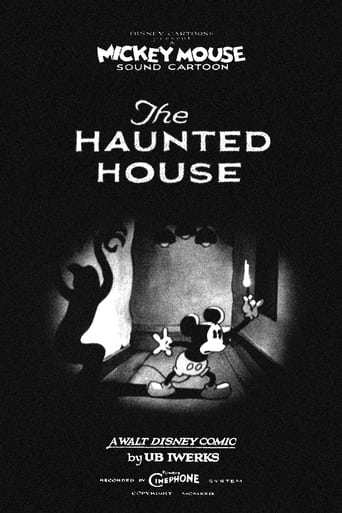
- The Haunted House (1929)
- The Mad Doctor (1933)
- The Skeleton Frolic (1937)
- Fantasia (1940)
- The Nightmare Before Christmas (1993)
Film restoration
The film has been fully preserved by the Walt Disney Company and the Library of Congress. It was restored in 2006 as part of the 'Walt Disney Treasures: More Silly Symphonies' DVD collection. The original nitrate negatives are stored in climate-controlled archives, and digital copies have been created for ongoing preservation. The film remains in excellent condition with no lost footage.
Where to watch
- Disney+ streaming service
- Walt Disney Treasures: More Silly Symphonies DVD
- YouTube (official Disney channel)
- Disney Animation Collection DVD series
- Various classic animation compilation sets