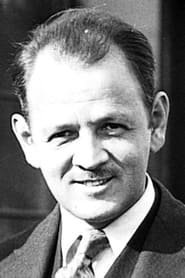
Carl W. Stalling
Actor
Born: November 10, 1891 in Lexington, Missouri, USA Died: November 29, 1972 Active: 1928-1958 Birth Name: Carl William Stalling
Films
2 films

About Carl W. Stalling
Carl William Stalling — American composer and arranger who revolutionized the sound of animated cartoons through his innovative musical scores. Born in Missouri in 1891, Stalling began his career as a theater organist and silent film accompanist, developing his signature style of synchronizing music with on-screen action. His big break came when he met Walt Disney in 1928, leading to his role as the primary composer for Disney's early sound cartoons, including the Silly Symphonies series. In 1936, Stalling moved to Warner Bros. Where he would spend the next 22 years creating the musical identity of Looney Tunes and Merrie Melodies, composing scores for over 600 animated shorts. His revolutionary approach involved using popular songs as musical puns, creating leitmotifs for characters, and developing a library of musical cues that could be rapidly assembled to match the frantic action of cartoons. Stalling retired in 1958, leaving behind an extraordinary legacy that fundamentally shaped how audiences experience animation to this day.
The Craft
Milestones
- Composed music for Disney's first synchronized sound cartoon 'Steamboat Willie' (1928)
- Created musical scores for the entire Silly Symphonies series at Disney
- Became Warner Bros. Primary cartoon composer in 1936
- Composed over 600 cartoon scores for Looney Tunes and Merrie Melodies
- Developed the iconic 'Merrie Melodies' theme song variations
- Pioneered the use of popular songs as musical puns in cartoons
Best Known For
Iconic Roles
Must-See Films
Accolades
Won
- Winsor McCay Award (1972, posthumous)
- Disney Legend Award (2008, posthumous)
Nominated
- Academy Award nomination for Best Scoring of a Musical Picture for 'The Three Little Pigs' (1934)
Special Recognition
- Hollywood Walk of Fame star (2008)
- Inducted into the Animation Hall of Fame
- International Animated Film Association lifetime achievement recognition
Working Relationships
Worked Often With
Studios
Why They Matter
Impact on Culture
Carl Stalling fundamentally transformed the auditory landscape of animation, creating a musical language that became inseparable from the cartoon experience. His innovative approach to synchronizing music with visual gags established a template that influenced generations of composers across all media. Stalling's work at Warner Bros. Created the sonic identity of American animation during its golden age, with his musical cues and character themes becoming instantly recognizable cultural touchstones. His technique of using popular songs as ironic commentary and his ability to match frantic on-screen action with perfectly timed musical passages elevated cartoon music from simple background accompaniment to an integral storytelling element. The influence of his work extends far beyond animation, impacting film scoring, television production, and even video game music design.
Lasting Legacy
Carl Stalling's legacy endures through the timeless appeal of the cartoons he scored and the countless composers he influenced. His work remains the benchmark for cartoon scoring, with his techniques still studied and emulated in animation schools worldwide. The Warner Bros. Cartoon library that bears his musical signature continues to entertain new generations, ensuring that his creative vision remains vibrant and relevant. Stalling's approach to musical storytelling has been cited as an influence by composers ranging from Danny Elfman to Hans Zimmer, demonstrating the breadth of his impact on popular culture. His innovative use of leitmotifs, musical puns, and rapid-fire orchestration created a new art form that transcended its medium and became a permanent part of the American cultural landscape.
Who They Inspired
Stalling's revolutionary approach to cartoon scoring influenced countless composers across multiple media. His technique of using musical cues to enhance comedic timing became standard practice in animation and live-action comedy alike. Film composers have cited his work as inspiration for using popular songs ironically within scores. Television composers adopted his rapid cue-changing techniques for sitcoms and variety shows. Video game composers, particularly in the early days of gaming, borrowed heavily from his library-based approach to creating dynamic, responsive music. His influence extends to modern composers like Danny Elfman, who has acknowledged Stalling's impact on his work for films like 'The Nightmare Before Christmas' and various animated projects.
Off Screen
Carl Stalling was married twice during his lifetime. His first marriage was to fellow musician Alma Stalling, with whom he had one daughter. After their divorce, he later married Margaret Stalling, who remained his partner until his death. Stalling was known as a quiet, dedicated professional who preferred working behind the scenes rather than seeking public recognition. Despite his enormous impact on popular culture, he lived a relatively private life focused on his craft.
Education
Self-taught musician with formal training at the Conservatory of Music in Kansas City, Missouri
Family
- Alma Stalling (1920s-1930s)
- Margaret Stalling (1940s-1972)
Did You Know?
- Composed music for over 600 Warner Bros. Cartoons during his 22-year tenure
- Created the famous 'Merrie Melodies' theme by adapting 'Merrily We Roll Along'
- His nickname at Warner Bros. Was 'The Maestro'
- Developed a library of over 2,000 musical cues for rapid cartoon scoring
- Often worked 12-hour days to meet the demanding production schedule
- His scores typically used 35-40 musicians in the Warner Bros. Orchestra
- Was one of the first composers to use the theremin in cartoon scores
- Never learned to read music notation fluently, relying on his ear and musical memory
- His final cartoon score was for 'To Itch His Own' in 1958
- The term 'Stalling' became industry slang for his distinctive scoring style
In Their Own Words
I don't write music. I write sound effects that happen to be musical.
The cartoon tells me what to write. I just put music to what's on the screen.
In cartoons, anything can happen, and the music has to be ready for it.
I always tried to make the music as funny as the pictures.
When you're scoring a cartoon, you're not just writing music, you're writing jokes.
Frequently Asked Questions
Who was Carl W. Stalling?
American composer and musical on YTB.my. He composed scores for over 600 animated shorts and created the distinctive musical identity of Looney Tunes and Merrie Melodies cartoons from the 1930s through the 1950s.
What films is Carl Stalling best known for?
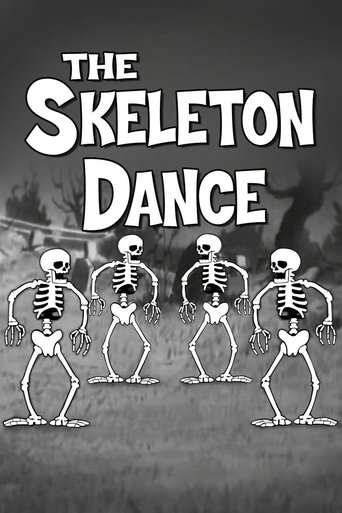
Titles linked here include The Skeleton Dance (1929), The Karnival Kid (1929).
When was Carl Stalling born and when did he die?
Born November 10, 1891; died November 29, 1972.
What awards did Carl Stalling win?
Stalling received the Winsor McCay Award in 1972 (posthumously) and was named a Disney Legend in 2008. He also received an Academy Award nomination for 'The Three Little Pigs' in 1934 and has a star on the Hollywood Walk of Fame.
What was Carl Stalling's musical style?
Stalling developed a unique style characterized by rapid-fire musical cues, extensive use of popular songs as musical puns, character-specific leitmotifs, and perfect synchronization between music and on-screen action. His approach combined classical orchestration with jazz, popular songs, and sound effects to create a distinctive cartoon soundscape.