
Wild Waves
"Mickey Mouse lifeguards Minnie from the surf."
Keys: Space play/pause · ←/→ 10s · F fullscreen · M mute · </> speed
About this film
Mickey Mouse is a singing lifeguard. Minnie Mouse is the damsel he must rescue before she is swept out to sea.
Cast & crew
More films like this


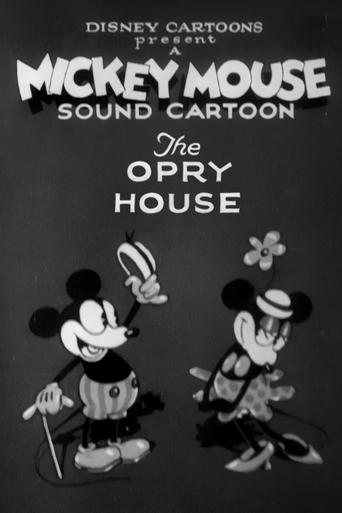
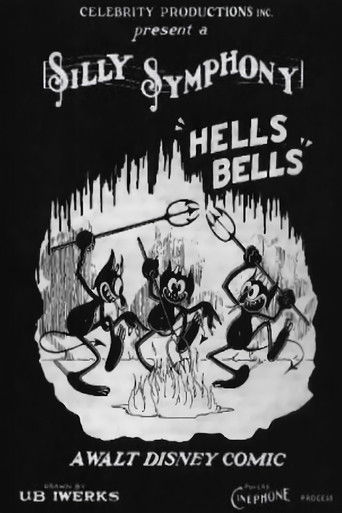

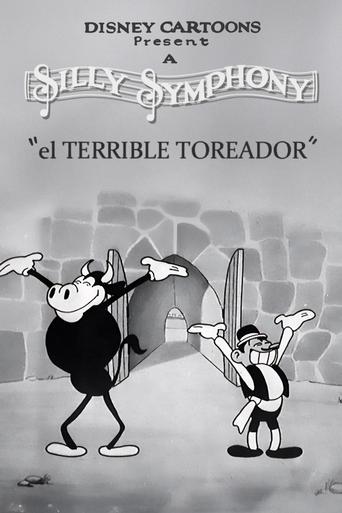

More Animation films
View all →




More from Burt Gillett
View all →


More about this film
About the production
Release dateDecember 15, 1929
BudgetApproximately $5,000-7,000 (typical for Disney shorts of this era)
Box officeNot separately tracked - shown as part of theater programming before features
ProductionWalt Disney Productions
Filmed inWalt Disney Studio, Hyperion Avenue, Hollywood, California
This cartoon was produced during Disney's crucial transition period from silent to sound animation. The studio was experimenting with synchronized sound techniques and musical elements that would become hallmarks of early Disney shorts. The beach setting allowed for innovative wave animation effects that pushed the boundaries of what was technically possible at the time. The production team utilized multiplane camera techniques for the ocean scenes, creating depth and movement that was revolutionary for 1929.
Themes
Heroism and braveryRomantic loveNature's power vs human determinationProfessional responsibilityThe beach as a space of leisure and danger
Themes & topics
lifeguardbeach rescueocean wavessinging lifeguarddamsel in distressheroic rescueromancedanger at seamusical numbersbeach settingwater animationsynchronized sound
Historical background
Wild Waves (1929) reached screens through Walt Disney Productions. Exhibitors of the time built early sound programs that mixed shorts, features, and live acts, so a clear premise helped Wild Waves travel between cities and exchange markets.
Why this film matters
Archivists and revival programmers still cite Wild Waves (1929) when tracing studio habits, casting pools, and the visual rhetoric audiences once took for granted. Even modest surviving prints help map how Wild Waves fit beside competing releases of its day.
Making of
The production of 'Wild Waves' took place during a critical expansion period for Walt Disney Productions. The studio had recently moved to their new Hyperion Avenue facility and was investing heavily in sound technology. Ub Iwerks, Disney's primary animator at the time, was instrumental in developing the fluid animation style seen in the wave sequences. The recording process for the synchronized sound was particularly challenging, as the technology was still new and required precise timing between the animation and audio tracks. The beach setting allowed the animators to experiment with new techniques for depicting water movement, using multiple cels and careful timing to create the illusion of rolling waves. The musical numbers were recorded live to picture, a technique Disney pioneered that gave the cartoons their distinctive energy and timing.
What critics said
Trade coverage around 1929 discussed Wild Waves for pacing, clarity, and program fit rather than blockbuster grosses. Later writers value it as evidence of period style and as a reference point beside other films from the same era.
Did you know?
- This was one of the first Mickey Mouse cartoons to feature Mickey as a professional character with a specific job (lifeguard), helping establish his everyman persona
- The cartoon features synchronized sound and musical numbers, showcasing Disney's early mastery of sound technology that many studios were still struggling with
- Released just two months after the stock market crash, it was one of the entertainment offerings that helped Americans escape from the harsh realities of the Great Depression
- The wave animation in this cartoon was considered groundbreaking for its time, using multiple layers of animation to create realistic water movement
- This short was part of Disney's push to establish Mickey Mouse as a romantic hero, not just a comedic character
- The beach setting was relatively rare in animation at the time, making this cartoon visually distinctive
- Mickey's lifeguard uniform helped establish the character's iconic red shorts with white buttons look
- The cartoon's musical elements prefigure Disney's later focus on integrating songs into their animated works
- This was one of the last Mickey Mouse shorts released in 1929, closing out a pivotal year for the character and the studio
- The rescue sequence established action-adventure elements that would become common in future Mickey Mouse cartoons
Visual style
The visual style of Wild Waves highlights the sophisticated animation techniques Disney was developing in 1929. The beach scenes utilize a warm, vibrant color palette that creates an inviting summer atmosphere. The wave animation employs multiple layers of cels moving at different speeds to create realistic water movement, a technique that was groundbreaking for the time. The character animation demonstrates the fluid, rubber-hose style typical of the era but with greater attention to weight and physics than many contemporaries. The camera work includes dynamic angles during the rescue sequence, adding tension and excitement to the action. The use of silhouettes against the sunset sky creates visually striking compositions that enhance the romantic elements of the story.
Innovations
Wild Waves featured several technical innovations that pushed the boundaries of animation in 1929. The wave animation system developed for this cartoon used a complex multi-layering technique that created unprecedented realism in water movement. The sound synchronization was particularly advanced, with precise timing between dialogue, music effects, and on-screen action. The cartoon utilized early versions of the multiplane camera for certain scenes, creating depth in the beach environments that was rare for the period. The character animation showed improved articulation and expression, particularly in Mickey's facial expressions during the rescue sequence. The production team developed new methods for creating the illusion of transparency in the water, allowing viewers to see Minnie struggling beneath the waves. These technical achievements helped establish Disney's reputation for innovation and quality in animation.
Music
The musical score for Wild Waves was composed by Carl Stalling, who would later become famous for his work on Warner Bros. cartoons. The soundtrack features original songs performed by Mickey Mouse, including his lifeguard duties song that establishes his character and profession. The music incorporates popular 1920s styles including jazz and tin pan alley influences, making it contemporary and accessible to audiences. The sound effects for the waves and beach environment were created using innovative techniques for the time, including recorded ocean sounds and creative use of everyday objects to produce splashing noises. The synchronization between music, dialogue, and animation was particularly precise, demonstrating Disney's mastery of sound technology. The romantic theme music that plays during Mickey and Minnie's scenes helps establish their emotional connection and adds depth to their relationship.
Famous quotes
I'm the lifeguard, I watch the sea!" - Mickey Mouse singing his lifeguard song
Help! Save me!" - Minnie Mouse calling for help while caught in the waves
Don't worry, Minnie! I'm coming!" - Mickey Mouse during the rescue sequence
Oh, Mickey, you saved my life!" - Minnie Mouse after being rescued
Anything for you, my dear!" - Mickey Mouse's romantic response to Minnie
Memorable scenes
- The opening sequence where Mickey performs his lifeguard duties song on the beach, entertaining the crowd while demonstrating his professional role. The scene highlights Mickey's charismatic personality and establishes the musical elements of the cartoon.
- The dramatic rescue sequence where Mickey battles the powerful waves to reach Minnie. This scene features groundbreaking water animation and genuine tension as Mickey struggles against the ocean's force to save his beloved.
- The romantic finale on the shore where Mickey and Minnie embrace after the rescue, set against a beautiful sunset backdrop. This scene cemented their relationship as one of animation's great love stories.
What audiences thought
Wild Waves was warmly received by theater audiences who were still captivated by the novelty of synchronized sound animation. The cartoon's blend of humor, romance, and action appealed to both children and adults, making it popular as part of theater programming. Mickey Mouse's growing popularity meant that audiences were eager to see new adventures featuring the character, and the lifeguard premise provided fresh storytelling opportunities. The musical elements were particularly well-received, as audiences enjoyed the novelty of cartoons with synchronized songs and dialogue. The rescue sequence generated genuine suspense and emotional investment from viewers, demonstrating the effectiveness of Disney's character development. The cartoon's success contributed to Mickey Mouse's rapidly growing popularity, which would soon make him widely recognized characters in the world.
Film connections
Influenced by
- Steamboat Willie (1928) - established Mickey's character and sound synchronization techniques
- Felix the Cat cartoons - influenced the rubber-hose animation style
- Live-action lifeguard films of the 1920s
- Beach party culture of the Roaring Twenties
- Vaudeville musical performances
- Silent film rescue sequences
This film influenced
- The Castaway (1931) - another Mickey Mouse beach cartoon
- Beach Picnic (1939) - Donald Duck cartoon with similar beach setting
- Later Disney water animation techniques in films like The Little Mermaid
- Numerous later rescue-themed cartoons featuring Mickey and other Disney characters
- Beach-themed animated shorts throughout the 1930s and 1940s
Film restoration
The film has been preserved by the Walt Disney Company and is part of their archive of classic animation. It has been digitally restored and is available in high quality as part of various Mickey Mouse collections. The original nitrate film elements have been preserved through conservation efforts, ensuring this important piece of animation history remains accessible for future generations.
Where to watch
- Disney+ streaming service as part of the classic Mickey Mouse collection
- Walt Disney Treasures: Mickey Mouse in Black and White DVD collection
- Various public domain animation websites (though quality may vary)
- Museum screenings and animation retrospectives
- Educational institutions with animation archives
- The Disney Archives for research purposes (by appointment)